

Ever wondered if boiling your carrots affects their eye-boosting nutrients? Picture this: you’re in the kitchen, preparing a hearty meal, and you opt for boiled carrots. But are you sacrificing their goodness for convenience? What if there’s a way to retain those essential eye-friendly nutrients even after boiling?
Importance of Nutrients in Carrots for Eye Health
When it comes to eye health, carrots are often hailed as a superfood. They are packed with essential nutrients that play a crucial role in maintaining good vision. Here’s a closer look at why these nutrients are vital for your eyes:
- Vitamin A in carrots is converted in the retina to rhodopsin, a purple pigment necessary for night vision.
- Beta-carotene, a precursor to Vitamin A, acts as an antioxidant that helps protect your eyes from harmful free radicals.
- Lutein and zeaxanthin are antioxidants found in carrots that are known to reduce the risk of age-related macular degeneration and cataracts.
To optimize the eye-boosting benefits of carrots, it’s important to understand how different cooking methods can affect their nutrient content, particularly boiling. Let’s delve deeper into whether boiling carrots impacts their ability to promote good eye health.
Impact of Boiling on Carrot Nutrients
When boiling carrots, you may wonder whether this cooking method affects their nutrient content. Boiling carrots can cause nutrient loss, particularly water-soluble vitamins like Vitamin C. Heat exposure can break down these nutrients, leading to reduced levels in the cooked carrots compared to raw ones.
Boiling carrots can also impact carotenoids, such as beta-carotene. These antioxidants play a vital role in eye health. Overboiling can cause them to leach out into the cooking water. To minimize this loss, consider shorter cooking times or steaming as alternatives that help retain more nutrients.
While boiling carrots can cause some nutrient loss, it’s essential to balance this with the fact that cooked carrots are still nutritious and provide benefits for your health. Enjoy a mix of raw and cooked carrots to maximize the nutritional intake while savoring the delicious flavors they offer.
Best Cooking Methods to Retain Nutrients
When it comes to preserving nutrients in carrots, choosing the right cooking method is key. Here are some tips to help you retain as many eye-healthy nutrients as possible:
- Steaming: Opting for steaming instead of boiling can help minimize nutrient loss. Steaming preserves the nutritional quality of carrots better by exposing them to less heat.
- Microwaving: Microwaving is another quick and efficient cooking method that helps retain nutrients due to its shorter cooking time compared to boiling.
- Use the Right Amount of Water: When boiling carrots, use minimal water to reduce the contact time between the water and the carrots, helping to retain their nutrient content.
- Cooking Time: Opt for shorter cooking times to minimize nutrient loss while still ensuring your carrots are tender.
By choosing these cooking methods and implementing these tips, you can enjoy tasty and nutrient-rich carrots that can contribute to maintaining healthy eyes.
Tips for Maximizing Eye-Boosting Benefits
When it comes to cooking carrots to retain their nutrients for eye health, here are some simple yet effective tips you can follow:
- Steam Instead of Boil: Opt for steaming carrots over boiling as steaming exposes the carrots to less heat, helping to retain more nutrients essential for your eyes.
- Microwave with Care: Utilize microwaving as a quick alternative to boiling or steaming. This method preserves nutrients due to its shorter cooking time.
- Minimal Water, Shorter Time: When boiling carrots, use minimal water and shorter cooking times to minimize nutrient loss while ensuring the carrots are tender.
By incorporating these tips into your cooking routine, you can enjoy not only flavorful but also nutrient-rich carrots that contribute to your overall eye health.
Recommended Products

𝐏𝐞𝐫𝐟𝐞𝐜𝐭 𝐟𝐨𝐫 𝐂𝐨𝐨𝐤𝐢𝐧𝐠 𝐨𝐫 𝐑𝐞𝐡𝐞𝐚𝐭𝐢𝐧𝐠 𝐀𝐥𝐥 𝐓𝐲𝐩𝐞𝐬 𝐨𝐟 𝐑𝐢𝐜𝐞: Home-X rice cooker for microwave is designed to make cooking or reheating rice a breeze. The pressure chamber ensures evenly steamed, tender rice every time, just like a classic rice cooker. Say goodbye to inconsistent results and enjoy perfectly cooked rice with this essential kitchen accessory.

Measure, wash, cook and serve perfectly fluffy rice and grains in one
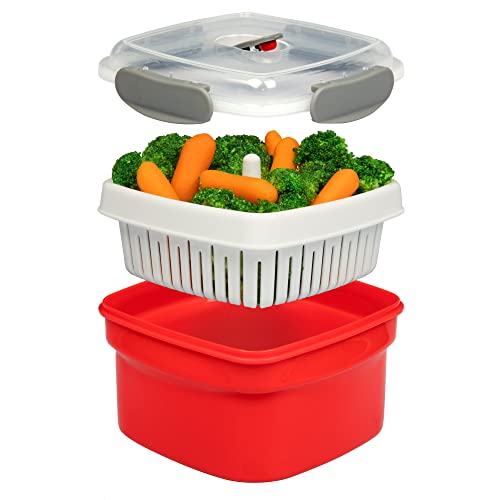
Versatile 3-IN-1 Microwave Steamer: Streamline your kitchen routine with this all-in-one cookware solution designed to steam, strain, and store. The 3 piece set includes a durable outer bowl, a removable strainer basket, and a secure locking lid. Great for quick meals, washing vegetables, and keeping food fresh, all in one container. 6x6x4 Inches, 1.3 Liters
Conclusion
So, when it comes to cooking carrots to retain their eye-boosting nutrients, remember that the method matters. Opting for steaming or microwaving can help preserve those essential vitamins and minerals that support your eye health. By being mindful of how you cook your carrots – like using minimal water and shorter cooking times – you can ensure that you’re getting the most out of this nutritious vegetable. So, next time you’re in the kitchen, keep these tips in mind to enjoy flavorful and nutrient-rich carrots that not only taste great but also benefit your eyes. Happy cooking!
Frequently Asked Questions
Why is it important to choose the best cooking methods for preserving carrot nutrients?
Choosing the right cooking method is crucial to retain the essential nutrients in carrots, especially for eye health benefits. Opting for methods like steaming and microwaving helps preserve more nutrients by exposing the carrots to less heat and shorter cooking times.
Which cooking method is recommended for retaining the most nutrients in carrots?
Steaming is recommended over boiling for preserving the maximum nutrients in carrots. Steaming exposes the carrots to less heat, helping retain more essential nutrients that are beneficial for overall health, particularly eye health benefits.
How can microwaving be beneficial for cooking carrots while preserving their nutrients?
Microwaving is a quick cooking alternative that helps preserve nutrients in carrots due to its shorter cooking time. It is an efficient method to retain essential nutrients while ensuring the carrots maintain their nutritional value.
What tips are advised to minimize nutrient loss while cooking carrots through boiling?
To minimize nutrient loss while boiling carrots, it is recommended to use minimal water and shorter cooking times. This approach helps preserve the nutrients in carrots while ensuring they remain tender and flavorful for consumption.
