

Ever wondered when the perfect time to plant beets is? Picture this: you’re eager to get your hands dirty in the garden, but unsure about when to start sowing those vibrant beet seeds. Don’t worry, we’ve got you covered! In this article, we’ll unravel the mystery behind the ideal planting time for beets.
You know that feeling of satisfaction when you harvest fresh produce from your own backyard? By learning the optimal planting window for beets, you’re not just ensuring a successful crop, but also setting yourself up for a bountiful harvest that you can enjoy throughout the season. Let’s dive in and discover the secrets to growing these earthy delights in your garden.
Understanding Beet Planting Seasons
When it comes to planting beets, timing is key. Understanding the planting seasons for beets will help you maximize your yield and ensure a successful harvest. Here are some key points:
- Early Spring: Plant beets as soon as the ground can be worked.
- Late Summer: For a fall harvest, plant beets in late summer for a fresh supply well into the fall season.
- Mild Climates: In regions with mild winters, beets can be planted in the fall for a winter harvest.
Remember, beets prefer cool weather, so plant them in early spring or late summer to avoid the heat of summer. Enjoy a continuous harvest by staggering plantings every few weeks.
Factors Influencing Beet Planting Time
When deciding the optimal time to plant beets, several factors come into play. Understanding these factors can help you maximize your harvest and ensure a successful growth cycle.
Climate and Temperature
Consider the climate of your region before planting. Beets thrive in cool weather, so avoid planting them during the hot summer months. Optimal temperature for germination is around 50-85°F.
Soil Conditions
Ensure the soil is workable and not too wet before planting. Beets prefer well-draining, loamy soil with a pH level around 6.0-7.5.
Daylight and Season
Plant beets in early spring when the ground is workable, allowing for an early harvest. For a fall harvest, consider planting in late summer. In mild climates, planting beets in the fall can yield a winter harvest.
Pests and Disease
Be aware of potential pests and diseases that may affect beet plants. Rotate crops, monitor for signs of pests, and consider using organic pest control methods.
Watering and Mulching
Water consistently and mulch around beet plants to retain moisture and prevent weeds.
Succession Planting
Stagger plantings every few weeks for a continuous harvest, ensuring a fresh supply of beets throughout the growing season.
Final Thoughts
By considering these factors, you can determine the best time to plant beets in your area, leading to a successful harvest and a bountiful supply of fresh, home-grown produce.
Recommended Planting Dates for Beets
When deciding when to plant your beets, there are a few key factors to consider, such as the average last frost date in your area. This is an essential reference point as beets are cold-sensitive. Check with local agricultural extension services for this information.
Beets thrive in cool weather, making early spring an ideal time for planting. Aim for soil temperatures around 50-85°F for optimal germination. Planting too early in cold soil can lead to poor germination rates.
For a summer harvest, you can also plant beets in late spring. Sow seeds every two to three weeks for a continuous harvest throughout the season. Remember that beets do best when they mature in milder temperatures.
Fall planting is another option, giving you a late fall to early winter harvest. Keep in mind that beets can handle light frost, but protect young plants as temperatures drop to prevent damage.
Consider factors like the days to maturity of the beet variety you choose. Some varieties can be ready in as little as 45 days, while others may need up to 70 days. Plan your planting dates accordingly for a successful harvest.
By understanding the best planting dates for beets and tailoring them to your specific growing conditions, you can ensure a bountiful harvest of these nutritious root vegetables.
Recommended Products

TOP-RATED NUTRITIONAL HEIRLOOM: Detroit Dark Red is a premium, high-yielding, and stress-resistant beet variety that stands at the pinnacle of root vegetables. This all-season favorite is a mid-early universal cultivar, perfect for consistent home harvests of professional quality.
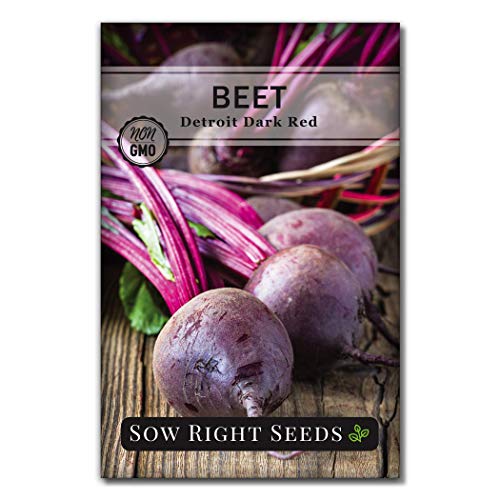
Beautiful - Large premium packet of Detroit Dark Red Beet (Beta var. ‘Detroit Dark Red’) seeds. Vivid, dark red 2-3" round beets have sweet flesh and tasty edible greens. This resilient variety can tolerate temperature variations, offering high productivity even in less-than-ideal soil conditions. Minimum of 1.5 g per packet (about 90 seeds).

Golden roots and edible greens: Grow Golden Detroit beets for yellow roots you can roast, pickle or slice into salads. The leafy tops can also be cooked as garden greens.
Best Practices for Planting Beets
To ensure a successful beet planting experience, here are some key practices to keep in mind:
- Soil Temperature: Plant beets when the soil temperature reaches 50°F (10°C) for optimal germination.
- Spacing: Sow beet seeds about 1 inch (2.5 cm) apart and ½ inch (1.3 cm) deep in well-draining soil.
- Sunlight: Choose a planting location that receives at least 6 hours of sunlight daily for healthy beet growth.
- Watering: Keep the soil consistently moist but not waterlogged to support beet root development.
- Thinning: Once seedlings emerge, thin them to 3-4 inches (7.6-10 cm) apart to allow room for mature root growth.
- Mulching: Apply a layer of mulch around beets to conserve moisture, suppress weeds, and maintain soil temperature.
Conclusion
You now have a solid understanding of the best practices for planting beets. Remember to wait for the soil to warm up to 50°F (10°C) before planting, space your seeds properly, ensure your beets get enough sunlight, keep the soil moist, thin out seedlings as needed, and use mulch for added benefits. By following these guidelines, you’ll set yourself up for a successful beet-growing season. Happy planting!
Frequently Asked Questions
When is the best time to plant beets?
Plant beets when the soil temperature hits 50°F (10°C).
How far apart should beet seeds be spaced?
Space beet seeds 1 inch (2.5 cm) apart.
How much sunlight do beets need?
Provide beets with at least 6 hours of sunlight daily.
How should I water my beet plants?
Maintain consistent soil moisture for beet plants.
Why is thinning important for beets?
Thin beet seedlings to 3-4 inches (7.6-10 cm) apart for optimal growth.
Is mulching necessary for beet plants?
Use mulch for moisture retention, weed suppression, and soil temperature regulation.
