

Ever wondered when those vibrant beets in your garden are ready for harvest? Picture this: you’re eagerly tending to your vegetable patch, but unsure when to pluck those ruby gems from the earth. Don’t worry – we’ve got you covered! In this article, we’ll explore the optimal time to harvest beets and unlock the secrets to a bountiful harvest in your own backyard.
Have you ever faced the dilemma of harvesting beets too early or too late, missing out on their peak flavor and freshness? Say goodbye to uncertainty as we guide you through the signs that indicate your beets are ripe for picking. By the end of this read, you’ll be equipped with the knowledge to confidently harvest your beets at the perfect moment, ensuring a delightful addition to your culinary creations.
Understanding Beet Harvesting
When it comes to harvesting beets, timing is key to ensure that you enjoy the best flavor and texture in your dishes. Here, we’ll delve into the process of harvesting beets to help you make the most of this nutritious and versatile vegetable.
Signs of Beet Readiness
Knowing when a beet is ready to be harvested is crucial. Keep an eye out for these signs:
- Size: Beets should typically reach about 1 to 3 inches in diameter.
- Texture: The beet’s skin should be smooth and firm.
- Foliage: Lush, healthy greens are an indicator of a well-developed root beneath.
Harvesting Techniques
When it’s time to harvest your beets, follow these simple steps:
- Loosen Soil: Gently loosen the soil around the beet to avoid damaging the roots.
- Pull Carefully: Grasp the foliage close to the root and pull gently to lift the beet from the ground.
- Trim Greens: Leave about an inch of the greens attached to keep the beet fresh longer.
Best Time to Harvest
For the sweetest and most tender beets, harvest them while they’re still young and avoid waiting too long as they can become woody.
Storing Your Beets
For optimal freshness, store your beets in a cool, dark place like the fridge for up to a few weeks. Consider removing the greens before storing to prolong the root’s shelf life.
Beet Harvesting Tips Recap
Now that you’ve learned the essentials of harvesting beets, put your knowledge into practice with these tips:
- Monitor Size and Texture
- Handle with Care
- Store Properly
Signs of Beet Readiness
When harvesting beets, it’s crucial to look for specific signs that indicate they are ready to be picked. Here are some indicators that your beets are at their prime for harvesting:
- Size: Beet roots should typically reach about 1 to 3 inches in diameter for optimal tenderness and flavor.
- Texture: A smooth and firm texture indicates maturity, while overly soft roots might be past their prime.
- Foliage Health: Healthy and vibrant beet greens are a good sign that the roots are plump and ready for harvesting.
To ensure you’re harvesting your beets at the perfect time, closely monitor these signs.
Best Practices for Harvesting Beets
When it comes to harvesting beets, timing is crucial. Here are some best practices to ensure you pick your beets at the peak of freshness:
- Optimal Size: Harvest when beets are 1 to 3 inches in diameter for the best flavor and texture.
- Soil Moisture: Ensure the soil is moist but not overly wet to ease the pulling process.
- Gentle Handling: Beets are delicate, so avoid bruising by gently lifting them from the ground.
Recommended Products

Contains (1) ProKeeper Produce Keeper, 3-Quart with Stay Fresh Vent
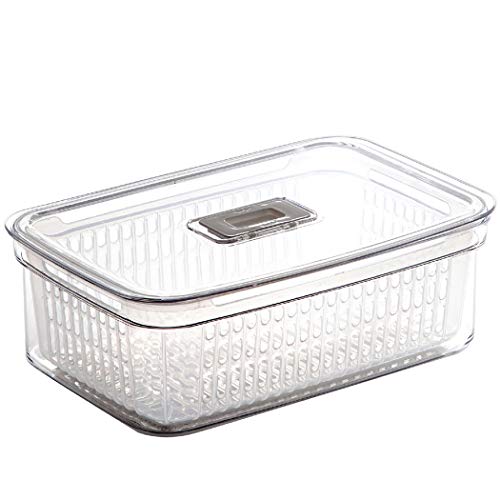
Clever Design: The BINO produce saver is made of a durable material that is easy to clean and has a tight-fitting lid to keep out moisture and air. It has a removable colander-style basket that helps drain any excess water.
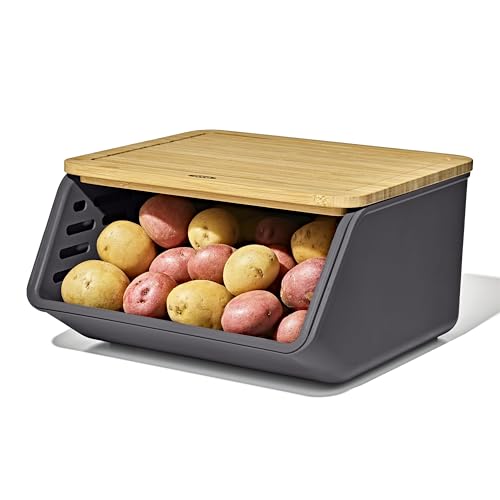
Longer-lasting freshness: Opaque bin and FSC-certified bamboo lid help maintain a cool, dark environment ideal for potatoes, onions and other root vegetables
Storing Your Beet Bounty
Once you’ve harvested your beets, it’s essential to store them properly to maintain their freshness and flavor. Here are some tips for storing your beet bounty:
- Cleaning: Before storing, gently brush off any excess dirt from the beets. Avoid washing them as moisture can lead to spoilage.
- Removal of Tops: Cut off the leafy green tops, leaving about an inch of stem. Leaving the tops on can pull moisture away from the beet roots.
- Ventilation: Store beets in a cool, dark place with good ventilation to prevent them from drying out.
- Humidity: Beets prefer high humidity levels for storage. Consider using perforated plastic bags or containers to maintain the required moisture.
- Temperature: Aim to store beets at around 32°F to 35°F (0°C to 2°C). A root cellar or refrigerator crisper drawer works well for this purpose.
| Temperature | Humidity Level |
|---|---|
| 32°F to 35°F | High humidity |
Proper storage ensures that your beets stay fresh and flavorful for a longer period.
Recommended Products

Better for different produce : You will get 4 sized fridge organizers and 4 matched colanders that could be used in the container or separate. Size from 0.32 L to 2.7 L [ 0.34 - 2.85 qt ]. Suited for berries, fruits, vegetables, meats

6 packs : You will get 6 fridge storage containers with colanders sized from 300 ml to 6200 ml [10 oz - 210 oz ]. Suited for Most fruits, vegetables, berries, meats. Extending products fresh for a longer time and reducing shopping frequency

Better for different produce : You will get 8 different sized fridge organizers and 8 matched colanders that could be used in the container or separate. Size from 0.32L to 2.7L [/0.34 - 2.85 qt ]. Suited for different berries, fruits, vegetables, meats and so on.
Conclusion
Harvesting beets at the right time ensures you enjoy their optimal flavor and texture. Storing them properly post-harvest is key to preserving their freshness for longer periods. By following simple steps like gently cleaning, removing leafy tops, and storing in a cool, dark place with high humidity, you can savor delicious beets in your meals. Remember, maintaining the recommended storage temperature between 32°F to 35°F (0°C to 2°C) will help keep your beets fresh and tasty. Enjoy the bountiful harvest of beets with these helpful tips!
Frequently Asked Questions
How should I store harvested beets to keep them fresh?
To keep harvested beets fresh, gently clean off dirt, remove leafy tops to avoid moisture loss, and store in a cool, ventilated, dark place with high humidity levels. Maintain a storage temperature between 32°F to 35°F (0°C to 2°C) for prolonged freshness.
Can I store beets in the refrigerator?
Yes, you can store beets in the refrigerator. Place them in the crisper drawer or in a perforated plastic bag to maintain proper humidity levels. Ensure the refrigerator temperature stays between 32°F to 35°F (0°C to 2°C) for optimal beet storage.
How long can I store beets using these tips?
By following the recommended storage tips, you can store beets for an extended period, typically up to 2 to 4 months. Check the beets periodically for any signs of softness or rot and remove them to prevent spoilage of the entire batch.
