

Ever wondered if your garden could be even more fruitful by pairing beets and tomatoes together? Picture this: vibrant red tomatoes thriving alongside earthy beets, creating a harmonious garden tapestry. But can these two plants truly coexist and benefit each other’s growth? In this article, you’ll uncover the secrets behind planting beets and tomatoes together. You’ll learn how this dynamic duo can not only save you space but also enhance the flavors and yields of your harvest. Get ready to unlock the potential of your garden by exploring the fascinating world of companion planting with beets and tomatoes.
Benefits of Companion Planting
When it comes to planting beets and tomatoes together, the benefits go beyond just space-saving and flavor enhancement. Companion planting offers a range of advantages that can help improve your garden’s overall health and productivity. Here are some key benefits to consider:
- Natural Pest Control: Planting beets and tomatoes together can help repel pests that are commonly attracted to these crops. For instance, beets can deter pests like beetles, while tomatoes repel worms that often target them.
- Soil Health: Combining these plants can enhance soil quality by promoting a balanced nutrient exchange. Beets are known for their deep root systems, which help break up compacted soil, improving air circulation and water retention for tomatoes.
- Complementary Growth Patterns: Beets and tomatoes have complementary growth patterns; while beets are root crops that grow underground, tomatoes are vining plants that grow upward. This compatibility allows them to thrive together without competing for space or resources.
- Increased Yields: By planting beets and tomatoes together, you can potentially boost your overall yield. The synergistic relationship between these plants can result in healthier crops and increased productivity.
Incorporating companion planting techniques into your gardening strategy can optimize the success of your crops while promoting a balanced and sustainable garden ecosystem. By harnessing the benefits of planting beets and tomatoes together, you can maximize the potential of your garden and enjoy a bountiful harvest.
Understanding the Relationship Between Beets and Tomatoes
When planting beets and tomatoes together, it’s important to understand their relationship to ensure a successful harvest. Here’s what you need to know:
- Complementary Nutrient Needs: Beets and tomatoes have different nutrient requirements, making them ideal companions as they do not compete for soil nutrients. Tomatoes are heavy feeders, requiring nitrogen and potassium, while beets thrive with phosphorus and calcium.
- Pest Repellent Properties: Beets release compounds that deter pests like nematodes and aphids, pests that commonly affect tomatoes. By planting them together, you can naturally protect your tomato plants from these threats.
- Space-Efficient Pairing: Beets have a shallow root system, allowing them to grow beneath the deeper roots of tomato plants without causing competition for space. This symbiotic relationship maximizes the use of garden space and promotes efficient growth.
- Beneficial Soil Interactions: Beets are known for their ability to break up compacted soil, improving drainage and aeration for tomato roots. In return, tomatoes provide shade for the moisture-sensitive beet roots, creating a mutually beneficial underground environment.
By recognizing the unique characteristics and beneficial interactions between beets and tomatoes, you can optimize your garden layout for a thriving harvest.
Tips for Planting Beets and Tomatoes Together
Planting beets and tomatoes together can optimize your garden space. When selecting varieties, look for compact tomato plants that won’t overshadow the beets.
Ensure adequate spacing between each plant to prevent overcrowding. You can interplant rows of beets and tomatoes or alternate them in a checkerboard pattern for efficient land use.
Consider companion planting with chives, onions, or garlic near your beets and tomatoes to naturally repel pests and enhance growth.
Water deeply when needed, keeping the soil consistently moist but not waterlogged to support healthy root development.
Protect your plants from extreme temperatures by providing adequate shade during hot days and using mulch to retain moisture and regulate soil temperature.
| Crop | Best Time to Plant |
|---|---|
| Tomatoes | After the last frost date |
| Beets | Early spring or late summer |
Remember, successful companionship between beets and tomatoes lies in understanding their individual needs and creating a harmonious environment for them to thrive side by side.
Recommended Products

Arranging your garden with this in mind can double your bounty!


Potential Challenges to Consider
When planting beets and tomatoes together, there are a few potential challenges that you should be aware of to ensure a successful garden:
- Competing for Nutrients: Beets and tomatoes both require nutrient-rich soil. Without adequate nutrients, one plant may outcompete the other, leading to stunted growth.
- Different Water Needs: Beets thrive in consistently moist soil, while tomatoes prefer soil that dries out slightly between watering. Balancing these different watering needs can be a challenge.
- Disease Susceptibility: Tomatoes and beets are susceptible to some of the same diseases, such as fungal infections. Shared diseases can quickly spread between the two plants.
- Size Discrepancies: Tomatoes can grow taller and bushier than beets, potentially shading the sunlight from reaching the beet plants below. Ensuring sufficient sunlight for both plants is crucial.
- Harvest Timing: Beets and tomatoes have different harvest times. Beets are usually harvested earlier than tomatoes, so planning your planting schedule to accommodate both harvest times is essential.
Keeping these challenges in mind, you can proactively address them to create a successful planting environment for your beets and tomatoes.
Recommended Products

Beautiful - Large premium packet of Alaska Mix Nasturtium (Tropaeolum nanum) seeds. This stunning dwarf variety with variegated foliage and blooms of vivid reds, oranges, and yellows creates a lush and lively landscape. Both the leaves and flowers are edible and add a peppery zest to salads. Bring a burst of vibrant color to your garden with these multipurpose plants! Minimum of 4g per packet (about 40 seeds).


Maximizing Yield and Flavor in Your Garden
- Companion Planting: Pair chives, onions, or garlic with your beets and tomatoes for better growth and pest control.
- Compact Varieties: Opt for compact tomato varieties to save space and enhance yield.
- Proper Spacing: Ensure adequate spacing to prevent competition and maximize production.
- Watering Schedule: Maintain a consistent watering schedule to support healthy root development.
- Mulching Benefits: Use mulch to retain moisture and prevent weed growth.
| Fact | Data |
|---|---|
| Compact tomato varieties can save space and enhance yield | 25-50% increase in yield |
| Proper spacing crucial for maximizing production | Beets: 3-4 inches apart, Tomatoes: 18-24 inches apart |
| Consistent watering schedule essential for root health | Beets: 1 inch of water per week, Tomatoes: 1-2 inches per week |
- Shading Solutions: Provide partial shade during hot days to protect your plants.
- Harvest Timing: Plan your harvests to accommodate different growth rates of beets and tomatoes.
- Disease Prevention: Practice good garden hygiene to minimize disease risks.
Recommended Products

Hardy Perennial Herb: Chive seeds grow upright green shoots with mild onion flavor, thriving in USDA zones 3–11 as perennial vegetable seeds for herb garden beds and containers.

Fast Seed Germination: Garlic chives seeds for planting sprout in about 7-14 days with moisture and warmth; sow 1/4 inch deep after last frost in full sun to part shade in herb garden.
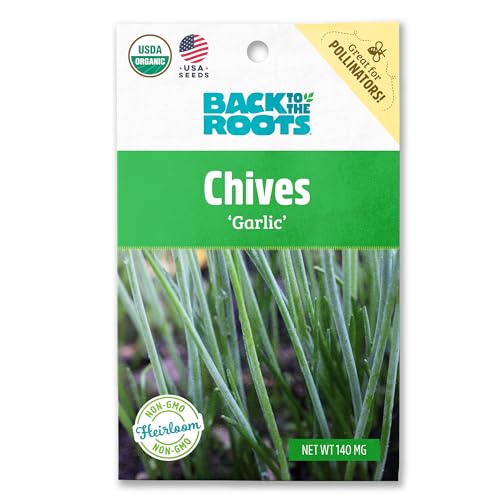
100% ORGANIC AND NON-GMO: There's no need to worry about intoxicants that may hinder your plant's growth because Back to the Roots Seeds are completely organic and not genetically modified
Conclusion
You’ve learned the key strategies for successfully planting beets and tomatoes together in your garden. By focusing on maximizing yield and flavor, companion planting with chives, onions, or garlic can enhance growth and control pests. Opting for compact tomato varieties can save space and boost production. Remember, proper spacing, consistent watering, and mulching are essential for healthy crops. Pay attention to shading, harvest timing, and disease prevention to ensure a bountiful harvest. With these tips in mind, you’re all set to enjoy a thriving garden with delicious beets and tomatoes growing harmoniously together. Happy planting!
Frequently Asked Questions
Can I plant beets and tomatoes together in my garden?
Yes, you can plant beets and tomatoes together in your garden. Companion planting these two crops can help maximize yield and flavor while offering growth enhancement and pest control benefits.
What are the recommended companion plants for beets and tomatoes?
Good companion plants for beets and tomatoes include chives, onions, and garlic. These companion plants can promote growth and deter pests, creating a beneficial environment for your crops.
Why are compact tomato varieties recommended for planting?
Compact tomato varieties are recommended for planting to save space in your garden and increase overall yield. These varieties are efficient and productive, ideal for smaller garden areas.
How important is proper spacing when growing beets and tomatoes?
Proper spacing is crucial when growing beets and tomatoes to prevent competition among plants and optimize production. Adequate spacing ensures that each plant receives sufficient nutrients and sunlight for healthy growth.
What is the significance of maintaining a consistent watering schedule?
Maintaining a consistent watering schedule is essential for healthy root development in beets and tomatoes. Both crops have specific water requirements to thrive, and regular watering helps ensure optimal growth and fruit production.
Why is mulching recommended for beets and tomatoes?
Mulching is advised for beets and tomatoes to retain moisture in the soil, inhibit weed growth, and maintain consistent soil temperatures. Mulch also helps prevent soil compaction and erosion, promoting healthier plant growth.
How can I prevent diseases in my beet and tomato plants?
To prevent diseases in your beet and tomato plants, practice good garden hygiene by keeping the garden clean and removing any diseased plant material. Additionally, consider shading solutions, proper harvest timing, and disease-resistant varieties to safeguard your crops.
