

Have you ever stared at your garden and wondered what type of lettuce you’re growing? With so many varieties out there, it can be tricky to tell them apart. Whether you’re a seasoned gardener or just starting out, identifying your lettuce can boost your confidence and help you make the most of your harvest.
Key Takeaways
- Common Lettuce Types: Familiarize yourself with popular varieties such as Iceberg, Romaine, Butterhead, and Leaf lettuce, each with unique textures and flavors.
- Identification Features: Learn to identify lettuce by leaf shape, color variations, and head formation, aiding in effective gardening and harvesting.
- Growth Conditions: Provide ideal growth conditions by maintaining temperatures between 60°F and 70°F, using well-draining soil with a pH of 6.0-7.0, and ensuring proper sunlight exposure.
- Watering Essentials: Implement consistent watering practices, aiming for 1 to 1.5 inches per week while focusing on root zone care to prevent fungal diseases.
- Pest Management Strategies: Monitor for common pests and diseases, using organic solutions and crop rotation as effective management techniques to protect your lettuce.
- Maximize Harvest: Understanding factors influencing growth and employing tips for proper care can lead to a fruitful and enjoyable lettuce harvest.
Common Types of Lettuce
Identifying the type of lettuce in your garden helps you maximize growth and harvesting. Here are some common types you might encounter.
Recommended Products
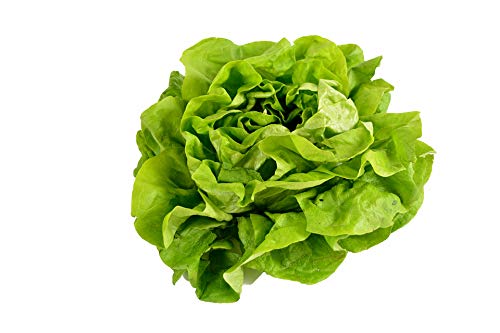
This lettuce is well known for its sweet flavor. Best if harvested in the morning.

YEAR-ROUND GARDEN FAVORITE – Dependable butterhead lettuce that thrives in cool or moderate weather for consistent harvests from spring through fall, even under cover in winter
Lactuca Sativa: These finest quality, non-GMO, USDA Organic Buttercrunch Lettuce seeds produce vibrant, green heads of lettuce with mild, sweet, buttery flavored leaves. They’re the most popular of the Butterhead varieties.
Iceberg Lettuce
Iceberg lettuce features a crisp texture and a tightly packed head. Its leaves are pale green and have a mild flavor. This variety is commonly found in salads and is popular for its crunch. When growing, ensure it receives plenty of sunlight and well-drained soil for optimal freshness.
Romaine Lettuce
Romaine lettuce, characterized by its long, upright leaves, has a dark green hue. Its sturdy leaves offer a slightly bitter taste, perfect for Caesar salads. For successful growth, keep the soil consistently moist while providing adequate spacing between plants to promote airflow.
Butterhead Lettuce
Butterhead lettuce, known for its soft and tender leaves, forms a loose head. Its sweet, buttery flavor makes it a favorite in salads and sandwiches. This variety prefers cooler temperatures, so planting in early spring or fall is ideal. Water it regularly, but avoid overwatering to prevent root rot.
Leaf Lettuce
Leaf lettuce comes in various colors and shapes, with loose, frilly leaves. It grows quickly and allows for continuous harvesting since you can pick the outer leaves. Plant it in rich, well-draining soil, and ensure it gets partial shade during hot weather to maintain its crispness.
Identifying Lettuce Varieties
Recognizing your lettuce varieties enhances your gardening experience. Different types exhibit unique characteristics. Here’s how to identify them:
Recommended Products
Black Seeded Simpson is a classic heirloom loose leaf lettuce with large, tender green leaves and a mild, sweet flavor. Harvest fresh leaves for salads, sandwiches, wraps, and other homegrown meals.

Beautiful - Large, premium packet of a blend of heirloom Lettuce seeds (Latuca sativa). This surprising mix of pretty and colorful lettuces will be a welcome addition to your garden in early spring and fall. Minimum of 600 mg per packet (about 650 seeds).

4 Popular Heirloom Lettuce Varieties: Includes Red Romaine, Bibb Butterhead, Black Seeded Simpson, and Green Ice lettuce seeds to grow crisp, tender, and colorful salad greens with balanced flavor, texture, and visual appeal.
Leaf Shape and Texture
- Curled Leaves: Leaf lettuce features tender, frilled edges. These leaves are soft and are ideal for salads.
- Smooth Leaves: Romaine lettuce has long, rigid leaves. These glossy leaves provide a crunchy texture.
- Round Leaves: Butterhead lettuce displays loose, soft leaves that form a rosette shape. The texture is creamy and hearty.
Color Variations
- Deep Green: Iceberg lettuce appears bright green. Its crisp texture offers a refreshing crunch.
- Dark Red: Red leaf lettuce has striking burgundy hues. This variety adds visual appeal and a mild flavor.
- Variegated Shades: Some types combine green and purple hues. These blends enhance salads with color and taste.
- Head Formation: Iceberg and Butterhead lettuces form tight heads. You’ll notice compact shapes as they mature.
- Loose Growth: Leaf lettuce grows more freely. The plants may appear bushy and spread out, making it easy to harvest individual leaves.
- Tall Stalks: Romaine lettuce grows upright. It reaches considerable heights and produces dense leaf packs.
By observing these characteristics, you can confidently identify the type of lettuce you’re growing in your garden.
Factors Influencing Lettuce Growth
Understanding the factors that influence lettuce growth enhances your gardening skills and improves your chances of a successful harvest. Key aspects include climate and environment, soil quality, and watering practices.
Climate and Environment
Lettuce thrives in cool weather, ideally between 60°F and 70°F. Extreme heat or prolonged cold can stress the plants. During hot periods, consider planting lettuce in partial shade. In contrast, cold-hardy varieties can withstand low temperatures, allowing you to extend your growing season. Tactically timing your planting according to seasonal changes supports optimal growth.
Soil Quality
Quality soil is crucial for lettuce health. Aim for well-draining, loamy soil that’s rich in organic matter. A pH level between 6.0 and 7.0 promotes nutrient absorption. Incorporate compost to improve soil texture and nourishment. Regular soil testing can indicate nutrient levels and inform necessary amendments, ensuring your lettuce plants receive what they need to flourish.
Watering Practices
Consistent watering is essential for lettuce. Aim for about 1 to 1.5 inches of water per week, adjusting based on rainfall and temperature. Water deeply at the root zone to encourage healthy growth. Avoid overhead watering to reduce the risk of fungal diseases. Using drip irrigation or soaker hoses maintains moisture while keeping leaves dry, creating a favorable growing environment.
Tips for Growing Lettuce
Growing lettuce successfully involves creating the right conditions and managing pests effectively. These tips help ensure thriving plants and a bountiful harvest.
Recommended Products

FUNGAL DISEASE CONTROL: Prevents and controls black spot on roses, powdery mildew, rust, downy mildew, and other listed fungal diseases when applied on a 7–14 day schedule

FOR ORGANIC GARDENING: Use in & around the home & garden on roses, flowers, houseplants, ornamental trees & shrubs, fruits & vegetables

Protect your oasis with Captain Jack’s Neem Max Ready-to-Use Spray; this multipurpose product acts as a 4-in-1 insecticide, fungicide, miticide and nematicide
Ideal Planting Conditions
Lettuce prefers cool weather and can be grown in spring and fall.
- Temperature: Aim for temperatures between 60°F and 70°F.
- Soil: Use well-draining, loamy soil. Incorporate organic matter to enhance soil fertility.
- pH: Maintain a soil pH level between 6.0 and 7.0 for optimal growth.
- Sunlight: Provide full sun to partial shade. Too much heat can cause bitterness.
- Spacing: Space seeds or seedlings 6 to 12 inches apart to allow ample airflow.
Preparation before planting increases the chances of success. Conduct a soil test to determine nutrient levels and amend as necessary.
Pest and Disease Management
Healthy plants are less susceptible to pests and diseases, but vigilance is key.
- Identify Common Pests: Watch for aphids, slugs, and snails. Frequent inspections can catch issues early.
- Use Organic Pesticides: Apply organic solutions such as neem oil or insecticidal soap for treatment.
- Crop Rotation: Rotate your lettuce with other crops each season to break pest cycles.
- Fungal Diseases: Avoid overhead watering and ensure proper spacing to promote airflow. Fungal matting can occur if leaves remain wet.
- Practice Companion Planting: Use plants like marigolds and garlic near your lettuce to deter pests naturally.
Active management of these conditions fosters healthy growth, resulting in fresh, delicious lettuce for your table.
Conclusion
Identifying the type of lettuce you’re growing can be a rewarding part of your gardening journey. With a little observation and understanding of the unique characteristics of each variety you can boost your confidence and enhance your harvest.
Remember to pay attention to leaf shapes colors and growth patterns. By doing so you’ll not only enjoy the fruits of your labor but also gain valuable insights into the best care practices for your lettuce.
So get out there enjoy the process and watch your garden thrive with the delicious greens you’ve nurtured!
Frequently Asked Questions
What are the common types of lettuce gardeners can grow?
Lettuce varieties commonly grown include Iceberg, Romaine, Butterhead, and Leaf lettuce. Iceberg is known for its crisp, dense heads, Romaine features long, upright leaves, Butterhead has soft, loose leaves, and Leaf lettuce is distinguished by its tender, frilled edges. Each type offers unique flavors and textures.
How can I identify different types of lettuce in my garden?
You can identify lettuce types by observing characteristics like leaf shape, texture, and color. Iceberg and Butterhead form tight heads, while Romaine has rigid leaves. Leaf lettuce is more free-form. Color variations, including bright greens and deep reds, can also indicate specific types.
What environmental conditions do lettuce plants require?
Lettuce thrives in cool weather, ideally between 60°F and 70°F. It prefers well-draining, loamy soil rich in organic matter, with a pH between 6.0 and 7.0. Ensuring consistent watering of 1 to 1.5 inches per week is essential for healthy growth.
How often should I water my lettuce plants?
Lettuce plants require consistent watering of about 1 to 1.5 inches per week. Deep watering at the root zone is recommended, while overhead watering should be avoided to prevent fungal diseases. Maintaining moisture is crucial for optimal growth and harvest.
What pests should I watch for when growing lettuce?
Common pests that affect lettuce include aphids and slugs. Regularly monitoring your plants for signs of these pests is important. Using organic pesticides, implementing crop rotation, and practicing companion planting can help deter these pests and protect your lettuce.
When is the best time to plant lettuce?
The ideal times to plant lettuce are during the cooler months of spring and fall. Planting in these seasons helps ensure better growth and yield. Be sure to choose a time when temperatures are consistently mild to avoid stress on the plants.
What tips can help me grow lettuce successfully?
To grow lettuce successfully, ensure you plant in cool weather, maintain good soil quality, and provide adequate spacing for airflow. Additionally, monitor for pests regularly and practice effective pest management strategies, such as using organic remedies and crop rotation.
