

Have you ever wondered why your lettuce isn’t thriving like you hoped? The secret often lies in the soil you choose. Just like a good foundation is key for a house, the right soil is essential for growing healthy, crisp lettuce.
Key Takeaways
- Understand Lettuce Growth Needs: Lettuce thrives in conditions that cater to specific growth requirements such as loose, well-draining soil and appropriate moisture levels.
- Ideal Soil Characteristics: Aim for sandy loam or loamy soil with a pH between 6.0 and 7.0, ensuring good aeration and moisture retention for healthy lettuce growth.
- Nutritional Requirements: Focus on providing essential nutrients such as nitrogen, phosphorus, and potassium to support leaf growth, root development, and overall plant health.
- Soil Types: Consider different soil types—loamy, sandy, or clay—while understanding their strengths and weaknesses to select the best environment for lettuce cultivation.
- Soil Amendments: Enhance soil quality by incorporating organic matter like compost and performing pH adjustments to optimize nutrient absorption.
- Best Practices: Regular soil testing and proper tilling techniques are crucial for maintaining a healthy planting environment and improving soil conditions for lettuce growth.
Understanding Lettuce Growth Requirements
Lettuce thrives best in conditions tailored to its specific needs. Understanding these requirements helps you create optimal growing environments.
Ideal Soil Characteristics
Lettuce prefers loose, well-draining soil. Aim for sandy loam or loamy soil types. These soil types enhance drainage and promote root growth.
- pH Level: Maintain a pH between 6.0 and 7.0. This range supports nutrient availability.
- Texture: Use soil with good aeration. Fine or compact soil restricts root development, reducing yields.
- Moisture Retention: Balance is key; soil should retain moisture without becoming waterlogged.
Nutrient Needs for Lettuce
Lettuce requires a wide range of nutrients for healthy growth. Focus on these essential elements:
- Nitrogen: Essential for leaf growth, providing vibrant color and size. Use fertilizers high in nitrogen, especially during the early growth stages.
- Phosphorus: Important for root development. A phosphorus-rich fertilizer supports a strong foundation.
- Potassium: Helps with overall plant health and stress tolerance. Look for fertilizers that balance potassium with nitrogen and phosphorus.
Incorporate organic matter, such as compost, to enrich the soil. This improves nutrient content and helps maintain soil structure. Regular soil testing can guide nutrient supplementation effectively.
Types of Soil Suitable for Lettuce
Selecting the right soil type is crucial for growing healthy lettuce. Here are the main types of soil you’ll want to consider.
Loamy Soil
Loamy soil combines sand, silt, and clay, creating a balanced environment for lettuce growth. It drains well while retaining necessary moisture. This soil type supports good aeration and nutrient retention. Aim for a ratio of 40% sand, 40% silt, and 20% clay for optimal conditions. Incorporating organic matter can further enhance its structure, providing a rich source of nutrients. Many gardeners find success using loamy soil because it allows for rapid growth and produces crisp, flavorful lettuce.
Sandy Soil
Sandy soil consists of larger particles, leading to excellent drainage. However, it often lacks nutrients and moisture retention. To improve sandy soil, mix in organic matter, such as compost. This will increase nutrient levels and help retain moisture for your lettuce plants. Also, ensure you water regularly, as sandy soil dries out quickly. Using mulch can further help conserve moisture. Lettuce grows well in sandy soil but requires extra care to maintain adequate nutrient levels and hydration.
Clay Soil
Clay soil features tiny particles that compact easily, making it dense and prone to waterlogging. While it retains nutrients, it can hinder lettuce root growth due to poor aeration. To enhance clay soil, mix in organic matter to break up the compaction and improve drainage. Adding gypsum can also help improve soil structure. If you choose clay soil, plant lettuce varieties that tolerate heavier conditions and monitor the moisture levels closely to prevent water retention issues.
Soil Amendments for Optimal Growth
Amending soil enhances its properties, fostering healthy lettuce growth. Two key areas to focus on are organic matter and pH adjustments.
Recommended Products

Quick, at home results for Soil pH, Nitrogen, Phosphorous and Potash Innovative and inexpensive soil test kit features an easy-to-use capsule system and patented color comparators

Kindly NOTE: This soil tester can not be applied to test pH value of any other liquid. If the soil is too dry the indicator will not move, and water it before testing.

KNOW BEFORE YOU GROW | Grow the healthiest, sustainable lawn and garden with the most accurate and easy to use professional soil test kit on the market
Organic Matter
Organic matter enriches soil by improving its structure and nutrient content. Add compost, aged manure, or worm castings to increase microbial activity, which supports robust plant health. Aim for a 2 to 4-inch layer of organic matter mixed into the top 12 inches of soil. This process enhances water retention in sandy soils and improves drainage in clay soils. For instance, incorporating well-rotted manure not only boosts nutrient levels but also enhances aeration, vital for root development.
pH Adjustments
Maintaining the right pH level is crucial for nutrient absorption in lettuce. Lettuce thrives best in a pH range of 6.0 to 7.0. Test your soil using a simple pH testing kit available at garden centers. If the pH falls below 6.0, add lime to raise the level; aim for 1 to 2 pounds of lime per 100 square feet of garden area. Conversely, if it’s too alkaline, incorporate sulfur or peat moss to lower the pH. Regular monitoring ensures your soil remains within the optimal range, maximizing lettuce growth.
Best Practices for Preparing Soil
Preparing soil for lettuce involves careful steps that promote healthy growth. By following best practices, you’ll create a thriving environment for your plants.
Recommended Products

INDOOR GROWING: Growing indoors is easy under the right conditions; Miracle-Gro Houseplant Potting Mix is an indoor plant potting soil that combines key elements container plants need to thrive
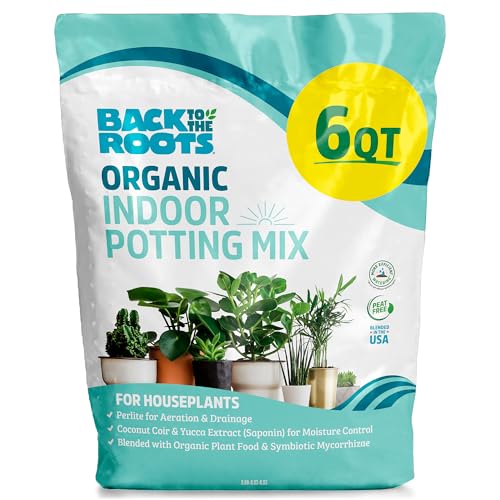
Includes 6qt of Back to the Roots Indoor Potting Mix. Our Potting Mix contains organic yucca extract that aids in retaining moisture in the soil which keeps your indoor plants happy and healthy

FEEDS UP TO 6 MONTHS: Miracle-Gro Potting Mix is a gardening soil for outdoor containers that feeds all types of potted plants, including flowers, vegetables, shrubs, annuals, and perennials for up to 6 months
Soil Testing
Soil testing confirms the current nutrient levels and pH balance. Perform a soil test at least once a year. Collect samples from multiple spots in your garden for accurate results. A standard soil test kit provides data on nutrients like nitrogen, phosphorus, and potassium. Many local agricultural extension services or garden centers offer testing services, too. Aim for a pH level between 6.0 and 7.0 to support optimal nutrient absorption. Adjust the pH with lime to raise it or sulfur to lower it, based on your test results.
Tilling Techniques
Tilling the soil enhances texture and aeration. Use a garden fork or rototiller to break up compacted soil, promoting root growth and water infiltration. Till the top 12 inches of soil for the best results. Incorporate a 2 to 4-inch layer of organic matter during tilling. This improves soil structure and nutrient content. Avoid over-tilling, as it can cause erosion and disrupt soil life. Focus on a light tilling technique before planting your lettuce. This maintains essential organisms and soil health while gearing up for a successful crop.
Conclusion
Choosing the right soil for your lettuce is key to growing a healthy and bountiful crop. By focusing on well-draining loamy or sandy soil and ensuring the right pH level you can create the perfect environment for your lettuce to thrive.
Don’t forget to enrich your soil with organic matter and regularly test its nutrient levels. With a little attention to detail and care you’ll be well on your way to enjoying fresh, crisp lettuce right from your garden. Happy gardening!
Frequently Asked Questions
What type of soil is best for growing lettuce?
The best soil for growing lettuce is well-draining loamy soil, which combines sand, silt, and clay for optimal aeration and moisture retention. Sandy soils can work if supplemented with organic matter, while clay soils need amendments for better drainage.
Why is soil pH important for lettuce?
Soil pH is crucial for lettuce growth because it affects nutrient availability. Ideal pH levels range from 6.0 to 7.0, promoting healthy nutrient absorption. Regular soil testing helps maintain these levels.
How can I improve my soil for lettuce?
To improve your soil for lettuce, incorporate organic matter like compost or aged manure. Mixing a 2 to 4-inch layer into the top 12 inches of soil enhances structure, nutrient content, and moisture retention.
When should I test my soil for lettuce?
It’s best to test your soil at least once a year, ideally before planting. Collect samples from different areas of your garden to ensure accurate results, aiming for a pH level between 6.0 and 7.0.
What nutrients are essential for lettuce growth?
Lettuce requires key nutrients including nitrogen for leaf development, phosphorus for strong roots, and potassium for overall plant health. Regular soil amendments can help replenish these nutrients.
Can I grow lettuce in clay soil?
Yes, you can grow lettuce in clay soil, but it requires amendments like organic matter and gypsum to improve drainage and aeration. Monitor moisture levels closely to prevent waterlogging.
What is the role of organic matter in soil preparation?
Organic matter enhances soil structure, increases nutrient content, and improves moisture retention, all of which are vital for healthy lettuce growth. It should be mixed into the soil prior to planting.
