

Have you ever wondered how many times you can regrow romaine lettuce from kitchen scraps? It’s a fun and rewarding way to make the most of your groceries while saving a bit of money. If you’ve ever tossed a romaine heart in the compost, you might be missing out on a simple gardening hack that can keep your salads fresh.
Key Takeaways
- Easy Regrowth Process: You can regrow romaine lettuce from its core by cutting the leaves, submerging the base in water, and placing it in a sunny spot.
- Ideal Growing Conditions: For optimal growth, provide at least six hours of sunlight, maintain warm temperatures (60°F to 75°F), and change the water daily.
- Multiple Harvests Possible: Romaine lettuce can be regrown about three to five times, depending on the health of the core and growing conditions.
- Selective Harvesting: Harvesting individual outer leaves encourages continued growth without damaging the core, allowing for future regrowth cycles.
- Maintain Clean Tools: Use sharp and clean scissors for cutting. This minimizes the risk of introducing bacteria and ensures healthy regrowth.
- Avoid Common Mistakes: Prevent overwatering, insufficient sunlight, and temperature extremes to enhance the success of each regrowth cycle.
Understanding Romaine Lettuce Regrowth
Regrowing romaine lettuce is easy and can be done multiple times. By understanding the process, you can keep enjoying fresh greens while minimizing waste.
The Basics of Regrowing Lettuce
You can start regrowing romaine lettuce from the base of the lettuce head. Cut off the leaves, leaving about two inches of the core intact. Place the core in a shallow bowl filled with water. Make sure the cut edge is submerged while the leaves remain above water. In about five to seven days, you’ll see new growth emerge from the center.
Ideal Conditions for Regrowth
You’ll want to provide optimal conditions for successful regrowth. Here are some essential factors:
- Light: Place the bowl in a sunny spot, like a windowsill, where it can receive at least six to eight hours of sunlight each day.
- Water: Change the water daily to keep it fresh and prevent rot. Ensure the cut end stays submerged.
- Temperature: Maintain a warm environment, ideally between 60°F and 75°F, for the best growth results.
By following these guidelines, you can achieve healthy regrowth and enjoy fresh romaine lettuce multiple times.
The Regrowth Process
Regrowing romaine lettuce is simple and rewarding. You’ll enjoy fresh greens while minimizing waste by following a few easy steps.
Recommended Products
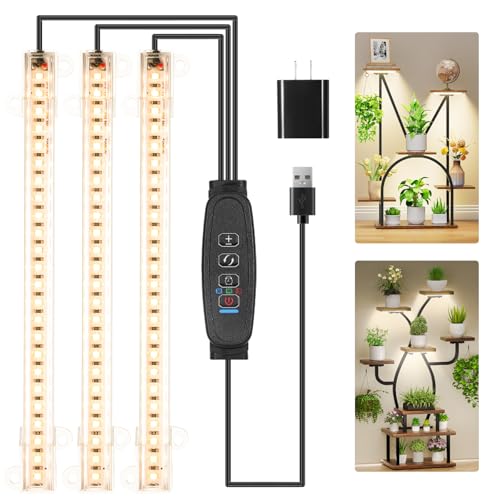
【7.8'' Light Strip and 72 Full Spectrum LEDs】The Grow Light has 72 LEDs and each light bar has 24pcs 3000K LEDs. High quality LEDs help plants grow with high light efficiency, high PPFD, low heat and longer lifespan. Indoor plant light emits all wavelengths from 380nm to 800nm, simulating natural sunlight to more effectively promote the growth of indoor plants.

【Full Spectrum】Same as natural sunlight. It has been proven to promote photosynthesis and indoor plant growth, so you don't have to worry that houseplants can't grow healthily without sunlight.

1.grow light:Equipped with 20 Red + 100 White LEDs put out enough PPFD and luminosity for growing seeds, light is similar to the full spectrum sunlight at noon,that is professionally designed for indoor garden plants.
Initial Planting Techniques
Start with a romaine heart. Cut off the leaves about two inches from the base. Place the remaining core in a shallow bowl filled with water, ensuring that the bottom of the core is submerged. Position the bowl in a location that receives plenty of sunlight, like a windowsill, for optimal growth.
- Change the Water Daily
Keep the water fresh by changing it every day. This prevents bacteria growth and ensures healthy regrowth. - Monitor Sunlight Exposure
Provide at least six hours of sunlight daily. If natural light isn’t available, consider using grow lights to support growth. - Maintain Warm Temperatures
Keep the area warm, ideally between 60°F and 75°F. Avoid cold drafts that can stunt growth. - Harvest Regularly
After about one week, you’ll notice new leaves sprouting. You can begin to harvest once the leaves reach about three to four inches long. Cut leaves as needed, allowing the core to continue growing.
By following these steps, you can regrow romaine lettuce multiple times, enjoying fresh salads straight from your kitchen.
How Many Times Can You Regrow Romaine Lettuce?
You can regrow romaine lettuce multiple times, with some care and attention. The number of times depends on factors such as the plant’s health and growing conditions.
Factors Affecting Regrowth Frequency
- Plant Health: Healthy cores produce more leaves. Ensure you’re starting with a fresh, firm romaine heart.
- Growing Conditions: Optimal sunlight, warmth, and regular watering boost growth. Aim for at least six hours of sunlight daily and temperatures of 60°F to 75°F.
- Water Quality: Change the water daily to prevent bacteria. Clean water supports robust growth.
- Harvesting Method: Cutting leaves without damaging the core leads to better regrowth. Use scissors for clean cuts.
Average Number of Regrowth Cycles
You can expect to regrow romaine lettuce about three to five times from one core. Each cycle typically offers enough leaves for a salad or garnish. After several cycles, the core may weaken, leading to smaller yields or stunted growth. Consistently following the care tips will help maximize your regrowth cycles.
Tips for Maximizing Romaine Lettuce Regrowth
Maximizing romaine lettuce regrowth relies on good practices, focused care, and avoiding common pitfalls. Follow these tips to achieve the best results.
Recommended Products

Comprehensive 12 Piece Set: this hydroponic herb planting kit provides a comprehensive 12-piece set, includes 12 mason jars, 12 planting baskets, 12 pre-seeded growing plugs, and 12 water absorbent cores to meet all your planting needs

WHAT WILL YOU GET? - The package include 3 packs Sprouting Stands. Stands are made of high quality PP, and unique water tray design can collect the water when jar is poured.

Kratky Lid Wide Mouth Hydroponic Lid Kratky Mason Jar Lid Urban Aquaculture Kratky Lid Insert with Urban Aquaculture Pods Includes 6 Black Lid, 6 Plant Baskets, 6 Mason Jar Replacement Rings, 6 Labels (Black Version)
Best Practices for Harvesting
- Cut Leaves Selectively: Harvest individual outer leaves instead of cutting the entire head. This encourages new growth while preserving the core for future regrowth cycles.
- Use Clean Tools: Always use sharp, clean scissors or cutting tools. Dirty tools can introduce bacteria, harming the plant.
- Leave Enough Core: After harvesting, ensure at least two inches of the core remains. A healthy core increases the chances of successful regrowth.
- Timing Matters: Harvest when leaves reach three to four inches long. This ensures maximum flavor and nutrition before regrowth.
- Overwatering: Avoid leaving the core submerged in water for too long. It can lead to rot. Change the water daily to keep it fresh.
- Insufficient Sunlight: Don’t place the bowl in a dark or shaded area. Insufficient light slows growth. Aim for at least six hours of direct sunlight daily.
- Ignoring Temperature: Keep the lettuce in temperatures between 60°F and 75°F. Too cold or hot environments limit growth potential.
- Neglecting Water Quality: Always use clean, filtered water when regrowing. Contaminated water can stunt growth and attract pests.
Implementing these best practices and avoiding common mistakes will enhance your chances of enjoying multiple harvests from each romaine lettuce core.
Conclusion
Regrowing romaine lettuce is a rewarding way to make the most of your groceries while enjoying fresh greens right at home. With just a little care and attention you can extend the life of your lettuce and enjoy multiple harvests from a single core.
Remember to keep an eye on the growing conditions and follow the best practices shared in this post. By doing so you’ll not only minimize waste but also turn your kitchen scraps into a thriving mini garden. So grab those leftover cores and get started on your own regrowing adventure!
Frequently Asked Questions
How do I start regrowing romaine lettuce from kitchen scraps?
To regrow romaine lettuce, cut off the leaves from the lettuce head, leaving about two inches of the core. Place the core in a shallow bowl of water, ensuring part of it is submerged, and keep it in a sunny spot.
How often should I change the water for regrowing lettuce?
It’s essential to change the water daily to prevent bacteria growth and promote healthy regrowth. Clean water supports strong leaf development and prevents issues with the plant.
How much sunlight does regrowing romaine lettuce need?
Romaine lettuce requires at least six hours of sunlight each day for optimal growth. Place the bowl in a sunlit area to encourage new leaf development.
How many times can I regrow romaine lettuce from one core?
With proper care, you can regrow romaine lettuce about three to five times from a single core. The health of the core and growing conditions significantly influence regrowth frequency.
What are the best practices for harvesting romaine lettuce?
To maximize regrowth, selectively cut the outer leaves while ensuring at least two inches of the core remains. Use clean tools to prevent bacterial contamination and encourage further growth.
What common mistakes should I avoid while regrowing romaine lettuce?
Avoid overwatering, insufficient sunlight, neglecting temperature, and using contaminated water. These factors can hinder growth and reduce the chances of a successful harvest.
