

Ever wondered why your cucumber plants aren’t thriving as they should? Are you struggling to figure out the best way to nourish these green beauties? Picture this: you’ve put in the effort to plant and care for your cucumbers, but they’re not reaching their full potential. What if there was a simple solution to boost their growth and yield? In this article, you’ll uncover the secrets to feeding your cucumber plants for optimal health and productivity. By the end, you’ll be equipped with the knowledge to transform your cucumber patch into a flourishing oasis.
Importance of Proper Nutrition for Cucumber Plants
Feeding your cucumber plants with the right nutrients is crucial for their overall health and productivity. Without adequate nourishment, plants can struggle to grow, produce fruits, and fight off diseases. Here’s why proper nutrition matters for your cucumber patch:
- Essential Nutrients: Cucumber plants require a balanced mix of nutrients to thrive, including nitrogen, phosphorus, and potassium. Each plays a vital role in different aspects of plant growth and development.
- Improved Yield: When you provide your cucumber plants with the necessary nutrients, you can expect a bountiful harvest. Proper feeding promotes flowering and fruiting, leading to a higher yield of delicious cucumbers.
- Resistance to Pests and Diseases: Well-fed plants are better equipped to fend off common pests and diseases that can affect cucumber crops. By ensuring your plants receive the right nutrition, you can boost their natural defenses.
- Overall Plant Health: Nutrient deficiencies can manifest in various ways, such as stunted growth, yellowing leaves, or poor fruit development. By providing your cucumber plants with a balanced diet, you can maintain their overall health and vitality.
- Optimal Growth: With the appropriate nutrients at their disposal, cucumber plants can grow vigorously, producing healthy vines and abundant fruits. Fertilizing correctly can lead to a lush and thriving cucumber patch.
Feeding your cucumber plants the right nutrients ensures they have everything they need to flourish and reward you with a successful harvest.
Essential Nutrients for Cucumber Growth
When it comes to feeding your cucumber plants, providing them with the essential nutrients they need is crucial for their growth and development. Here are the key nutrients you should focus on:
- Nitrogen: Promotes leafy growth and helps the plant produce the energy it needs for fruit production.
- Phosphorus: Plays a vital role in flower and fruit development, enhancing root growth and overall plant vigor.
- Potassium: Essential for fruit formation and quality, as well as increasing the plant’s tolerance to diseases and stress.
Incorporating a balanced fertilizer that provides these essential nutrients will ensure that your cucumber plants have everything they need for optimal growth.
Remember, feeding your cucumber plants correctly is key to achieving a successful and abundant harvest.
Organic Fertilizers vs. Chemical Fertilizers
When it comes to feeding your cucumber plants, you might be faced with the dilemma of choosing between organic fertilizers and chemical fertilizers. Here’s a breakdown to help you decide which option suits your gardening practices best:
Recommended Products

Cucumber fertilizer specifically formulated for cucumbers, zucchini, pumpkins, butternut squash, melons, watermelon, and gourds, promoting robust vines, strong roots, and high yields

🥒 EXPERTLY CRAFTED FOR CUCUMBER PRODUCTIVITY – Gardenera LIQUID POWER Cucumbers Fertilizer is designed to enhance vine growth, flowering, and high-yield fruiting for all cucumber types, including slicing, pickling, and greenhouse varieties.

Package contains 4 pounds organic vegetable and tomato fertilizer grains and is produced to avoid wasteful runoff, mess, hazards and smells
Organic Fertilizers:
- Derived from natural sources like compost, manure, or bone meal.
- Release nutrients slowly, providing a steady supply over time.
- Enhance soil structure and microbial activity, promoting long-term soil health.
- Environmentally friendly and sustainable option for organic gardening enthusiasts.
- Formulated with synthetic nutrients for quick absorption by plants.
- Provide precise nutrient ratios, allowing targeted feeding for specific growth stages.
- Easily accessible and convenient to use for immediate results.
- May require careful application to prevent over-fertilization and nutrient imbalances.
When deciding between organic and chemical fertilizers for your cucumber plants, consider factors such as soil health, gardening goals, and personal preferences. Each type has its advantages and considerations, so choose the option that aligns best with your gardening philosophy and practices.
Best Practices for Fertilizing Cucumber Plants
To ensure your cucumber plants thrive, here are some best practices for fertilizing:
- Choose the Right Fertilizer: Opt for balanced organic fertilizers that provide necessary nutrients without the risk of chemical buildup. Look for 3-3-3 NPK ratios for balanced nutrition.
- Timing is Key: Fertilize your cucumber plants sparingly in the early stages to prevent burning the roots. Once they start flowering, increase fertilization to support fruit development.
- Mulch for Moisture: Consider mulching around your plants to retain soil moisture and prevent nutrient leaching. This helps maintain a steady nutrient supply for your cucumbers.
- Read the Instructions: Always follow the label instructions for any fertilizers you use. Too much fertilizer can harm your plants, while too little may not provide adequate nutrition.
- Monitor Plant Health: Keep an eye out for signs of nutrient deficiencies like yellowing leaves or stunted growth. Adjust your fertilization schedule accordingly to address these issues promptly.
Recommended Products
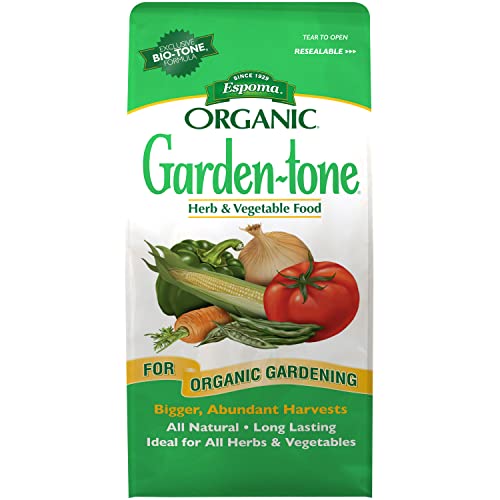
FOR USE ON: Use Garden-tone organic fertilizer for leafy vegetables like lettuce, kale & cabbage as well as warm season crops like tomatoes, peppers, squash & melons.

Burpee Organic All Purpose Granular Plant Food is formulated for long-lasting results

Combined for Maximum Growth: Neptune’s Harvest Fish & Seaweed organic fertilizer is an organic all-purpose liquid plant food formulated with 75% fish and 25% seaweed for a perfect blend of nutrients; this organic plant fertilizer delivers consistent feeding as a liquid fertilizer and plant food for vegetables, flowers, trees, lawns, and indoor plants, supporting balanced growth throughout the growing season and is safe for kids and pets
Conclusion
That’s it for feeding your cucumber plants! Remember to use balanced organic fertilizers, time your fertilization correctly, mulch for moisture, follow label instructions, and keep an eye on your plants’ health. By following these tips, you’ll promote optimal growth and prevent nutrient-related problems. Happy gardening!
Frequently Asked Questions
What type of fertilizer should I use for cucumber plants?
Choose balanced organic fertilizers with a 3-3-3 NPK ratio to provide essential nutrients for healthy growth.
When is the best time to fertilize cucumber plants?
Fertilize cucumber plants at different growth stages: when planting, at the vine stage, and when fruiting to support their development.
Should I mulch around cucumber plants?
Yes, mulching is recommended to retain moisture in the soil and regulate temperature for optimal cucumber growth.
How can I avoid over-fertilizing my cucumber plants?
Follow the label instructions on the fertilizer packaging to ensure you apply the correct amount and avoid over or under-fertilization.
How do I know if my cucumber plants lack nutrients?
Monitor your cucumber plants for signs of nutrient deficiencies such as yellowing leaves, stunted growth, or poor fruit development.
