

Have you ever wondered why your lettuce seeds aren’t sprouting as quickly as you hoped? The temperature plays a crucial role in germination, and knowing the right range can make all the difference in your gardening success.
Key Takeaways
- Ideal Germination Temperature: Lettuce seeds germinate best between 60°F and 70°F (15°C to 21°C) for optimal growth.
- Extreme Temperature Effects: Temperatures below 40°F (4°C) can halt germination, while those above 75°F (24°C) can lead to poor rates and weak seedlings.
- Soil and Moisture Management: Maintain slightly damp soil without oversaturation to promote healthy germination, and monitor soil temperature regularly.
- Light and Air Flow: Lettuce seeds don’t need light for germination, but introducing light after sprouting is essential for strong seedlings. Good air circulation is also vital to prevent fungal growth.
- Indoor Seed Starting Benefits: Starting seeds indoors with controlled temperatures and humidity can lead to better germination rates and faster growth.
- Troubleshooting Solutions: Adjust soil temperature, moisture, light exposure, and air circulation if germination rates are poor, ensuring a thriving lettuce crop.
Understanding Lettuce Germination
Germination temperature plays a critical role in the success of growing lettuce. Knowing the right conditions helps you achieve a healthy crop.
Importance of Germination Temperature
Temperature significantly affects seed germination rates and overall plant health. Lettuce seeds prefer cooler temperatures, usually between 60°F and 70°F (15°C to 21°C). When temperatures dip below 40°F (4°C), seeds may not germinate at all. On the other hand, temperatures exceeding 75°F (24°C) can lead to poor germination rates and elongated seedlings. Understanding these temperature thresholds enables you to time your planting for optimal results.
Optimal Conditions for Lettuce Seeds
Creating ideal conditions promotes healthy germination. Here are key factors to consider:
- Soil Temperature: Keep soil temperatures within the 60°F to 70°F range. You can use a thermometer to measure soil warmth.
- Moisture: Ensure adequate moisture but avoid oversaturation. Slightly damp soil encourages germination. Use a spray bottle for even misting, especially in warmer conditions.
- Light: While lettuce seeds don’t require light for germination, providing light soon after emergence fosters strong growth. Use grow lights or place seedlings in well-lit areas.
- Air Circulation: Good air circulation prevents mold and fungal growth, so don’t overcrowd your seeds. Thin spacing allows for better airflow.
By closely monitoring these conditions, you can optimize your lettuce seeds’ germination and lead to a thriving garden.
Temperature Ranges for Lettuce Germination
Lettuce germinates best within specific temperature ranges. Understanding these ranges helps ensure successful planting and growth.
Recommended Products

PRECISE SOIL TEMPERATURE READINGS: Measures soil temperatures from 20 degrees F to 180 degrees F (0 degrees C to 80 degrees C) with a large, easy-to-read analog dial face - no batteries or digital screens needed for reliable results every time

Easy-to-read green, yellow, and red tick marks for easy monitoring
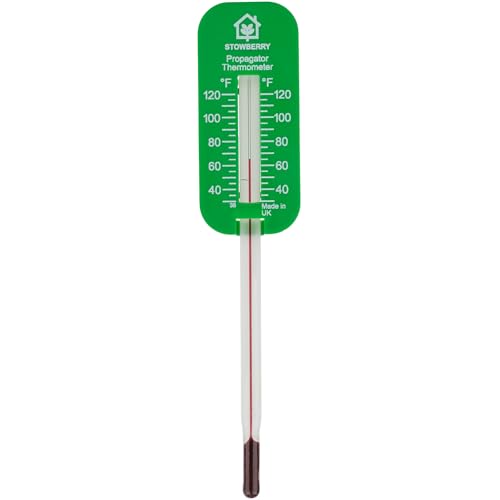
ACCURATE SOIL TEMPERATURE READINGS – Ensure the perfect growing environment for seeds and plants with this greenhouse soil thermometer, designed to give reliable and precise temperature measurements.
Ideal Temperature Range
Lettuce germinates optimally between 60°F and 70°F (15°C to 21°C). At this range, seeds sprout quickly and grow strong. For best results, maintain soil temperatures in this zone. You can use a soil thermometer to monitor the conditions. If temperatures stay consistent at the ideal range, expect germination within 7 to 12 days, enhancing your chances for a healthy crop.
Effects of Extreme Temperatures
Extreme temperatures significantly impact lettuce germination. Below 40°F (4°C), seeds can remain dormant, halting germination. If temperatures exceed 75°F (24°C), germination rates drop, resulting in spindly seedlings. Additionally, high temperatures increase the risk of diseases like damping-off. To avoid these issues, monitor temperatures, and adjust your growing conditions accordingly. Use shade cloths or row covers to regulate temperature during hot spells, and consider early spring or late summer planting to take advantage of cooler weather.
Strategies for Managing Germination Temperature
Managing the germination temperature of lettuce seeds ensures successful growth and a bountiful harvest. Here are some effective strategies to maintain optimal temperatures.
Recommended Products

✓ Consistent & Uniform Heating: BN-LINK seedling heat mat for seed starting maintains temperatures around 70–85℉, creating ideal conditions for seed starter and cutting propagation, speeding up seed germination and accelerating seedlings growth. The advanced heating film with double insulation layers ensures even heat and prevents scorching roots.

IDEAL GERMINATION TEMPERATURE: The BN-LINK seedling heat mats for seed starting helps maintain temperatures around 70°F to 85°F, the optimal range for seed germination, cutting propagation, and healthy seedling growth. Achieve faster germination and higher growth rates with seed heating mat.
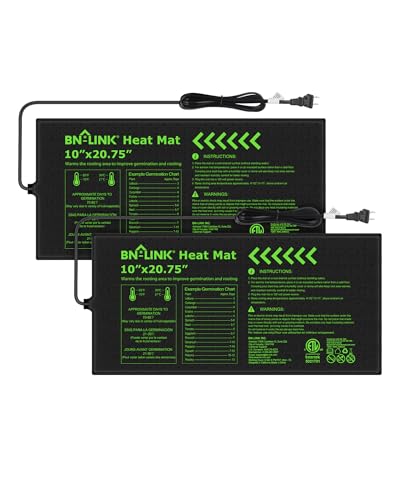
IDEAL GERMINATION TEMPERATURE: The BN-LINK seedling heat mats for seed starting helps maintain temperatures around 70°F to 85°F, the optimal range for seed germination, cutting propagation, and healthy seedling growth. Achieve faster germination and higher growth rates with seed heating mat.
Utilizing Indoor Seed Starting
Starting your lettuce seeds indoors allows for better control over temperature. Select a warm location in your home, typically between 60°F and 70°F (15°C to 21°C). Use seed trays filled with seed-starting mix, which retains moisture and regulates temperature. Water the mix to keep it evenly moist but not saturated. Cover the trays with a clear plastic dome or plastic wrap to create a mini greenhouse effect. This method enhances warmth while keeping humidity levels high, ideal for germination.
Using Grow Lights and Heat Mats
Using grow lights and heat mats can significantly improve germination rates. Position the grow lights about 2 to 4 inches above the seed trays. Ensure the lights remain on for 14 to 16 hours daily. This exposure mimics natural sunlight, promoting healthy growth. Heat mats provide consistent warmth beneath the trays and can raise soil temperatures by 5°F to 10°F. Set the heat mats to maintain temperatures around 65°F to 70°F (18°C to 21°C), ensuring optimal conditions for your lettuce seeds. Monitor the temperature regularly to prevent overheating, which can hinder germination.
Implementing these strategies can lead to faster germination and healthier seedlings, setting the stage for a thriving lettuce garden.
Troubleshooting Poor Germination Rates
Germination issues often stem from temperature-related challenges. Recognizing these challenges can help improve your success when growing lettuce.
Recommended Products

Reliable Results: The VIVOSUN professional heat mat maintains optimal temperatures around 68-86℉ (20-30℃), perfect for Seedling start and cutting propagation; Made from durable PVC material, it's designed to last

Reliable Results: The VIVOSUN professional heat mat maintains optimal temperatures around 68-86℉ (20-30℃), perfect for Seedling start and cutting propagation; Made from durable PVC material, it's designed to last
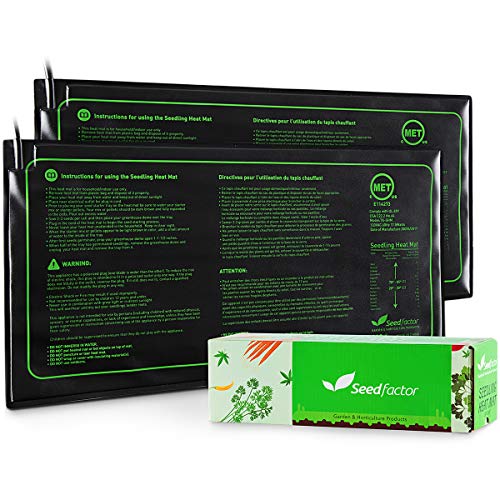
MET safety certified;Comply with UL 499;CSA C22.2 No.64
Identifying Temperature-Related Issues
Observe your germination rates closely. If you notice slow or inconsistent sprouting, temperature might be the culprit. Check soil temperature with a reliable thermometer. Temperatures below 40°F (4°C) or above 75°F (24°C) can hinder germination. If the soil feels too cold or too warm, adjust accordingly. Additionally, consider the location of your seeds. If they’re exposed to direct sunlight, high temperatures can affect them negatively.
Adjusting Growing Conditions
Implement several adjustments to optimize growing conditions.
- Modify Soil Temperature: Use heating mats to maintain warmth during cooler nights. Conversely, shade cloths or row covers protect seeds from excessive heat.
- Regulate Moisture Levels: Water the soil adequately while avoiding oversaturation. It helps to check moisture levels before watering. Consistent moisture supports healthy germination.
- Control Light Exposure: After the seeds emerge, introduce appropriate light levels immediately. Too much or too little light can weaken seedlings.
- Enhance Air Circulation: Improve airflow around your plants to reduce the risk of mold. Proper circulation can be beneficial for both seedlings and mature plants.
By addressing temperature-related issues and adjusting growing conditions, you increase odds for successful germination and healthy lettuce seedlings.
Conclusion
Getting the temperature right for lettuce germination can make all the difference in your gardening success. By keeping soil temperatures between 60°F and 70°F you set the stage for healthy seedlings. Remember to monitor conditions closely and adjust as needed to avoid extremes that could hinder growth.
With a little attention to detail and the right strategies in place you’ll be well on your way to a thriving lettuce crop. Happy gardening and enjoy the fresh greens that come from your efforts!
Frequently Asked Questions
What is the optimal temperature range for lettuce seed germination?
Lettuce seeds germinate best at temperatures between 60°F and 70°F (15°C to 21°C). Staying within this range encourages healthy growth and speeds up the germination process.
What happens if lettuce seeds are exposed to temperatures below 40°F?
Temperatures below 40°F (4°C) can prevent lettuce seed germination, causing the seeds to remain dormant and delaying planting success.
How do high temperatures affect lettuce seed germination?
Temperatures exceeding 75°F (24°C) can result in poor germination rates and produce elongated seedlings, which are less healthy and robust.
How long does it generally take for lettuce seeds to germinate?
With optimal soil temperatures, lettuce seeds typically germinate within 7 to 12 days, providing good conditions throughout the process.
What are some strategies for managing germination temperatures?
To manage germination temperatures, start seeds indoors, use warm locations, cover trays with plastic to retain warmth, and consider using heating mats or grow lights.
How can I troubleshoot poor germination rates?
If germination rates are low, check soil temperature with a thermometer, use heating mats during cold nights, and ensure proper moisture, light, and air circulation to improve conditions.
