

Ever wondered how long it takes for your homegrown lettuce to go from seed to salad? If you’ve tried growing your own greens, you know the anticipation of waiting for them to mature. Timing is everything when it comes to harvesting lettuce, and getting it right can make a big difference in taste and texture.
Key Takeaways
- Lettuce Maturation Times: Different lettuce varieties mature at varying rates; leaf lettuce can be ready in 30 to 50 days, while head and romaine varieties typically take 70 to 90 days.
- Temperature Influence: Optimal lettuce growth occurs between 60°F and 70°F; extreme temperatures can hinder growth or trigger bolting.
- Soil Quality Matters: Nutrient-rich, well-draining soil with a pH of 6.0 to 7.0 is essential for promoting healthy and quick maturation of lettuce plants.
- Watering Techniques: Consistent moisture is crucial for lettuce, aiming for about 1 inch of water weekly; deep watering supports strong root systems.
- Pest Management: Regular monitoring of pests and using organic treatments can protect plants while encouraging beneficial insects for natural pest control.
- Harvesting Tips: Harvest lettuce gradually by taking outer leaves first and ensure to store it properly to maintain freshness after picking.
Overview of Lettuce Varieties
Lettuce comes in several varieties, each with unique characteristics that affect their growing times and flavors. Understanding these types helps you choose the right one for your garden and table.
Leaf Lettuce
Leaf lettuce grows quickly and thrives in cooler conditions. Varieties like Butterhead and Looseleaf mature in about 30 to 50 days after sowing. These types produce tender leaves that are perfect for salads. Regular harvesting encourages new growth, so you can enjoy fresh greens throughout the season.
Head Lettuce
Head lettuce, including varieties like Iceberg and Butterhead, takes longer to mature, typically needing 70 to 90 days. Head lettuce forms tightly packed heads, offering a crisp texture. Ensure consistent watering and proper sunlight to achieve optimal growth. Harvest heads when they’re firm for the best flavor and texture.
Romaine Lettuce
Romaine lettuce is known for its upright growth and robust flavor. It matures in roughly 75 to 85 days after planting. This variety is ideal for salads and sandwiches, providing a crunchy bite. To enhance growth, provide plenty of sunlight and regular irrigation, keeping the soil moist but not saturated. Harvest when leaves are a rich green and the heads feel firm.
Factors Affecting Maturation Time
Several factors influence how long lettuce takes to mature. Understanding these elements helps you grow healthier and tastier lettuce.
Recommended Products

Soil Moisture Meter: This single probe soil moisture meter is specially designed for testing the moisture level in the soil, helps you decide whether the plants need water or not, helps to keep plants alive.
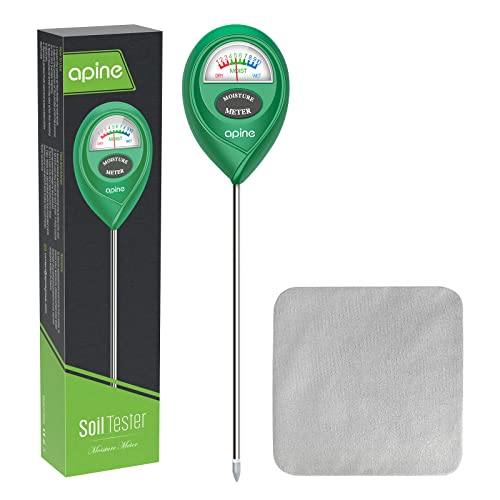
Quick Measurement:Just insert the probe of the plant water meter into the soil about two to four inches,wait a few seconds,you can get the soil moisture immediately.The color division of the dial is simple and clear,and the elderly can easily use it
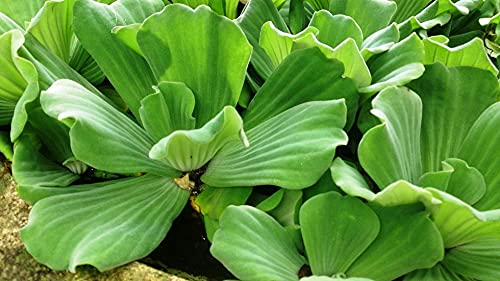
DO NOT ORDER IF YOUR TEMPS EXCEED 90 DEGREES
Temperature
Temperature significantly affects lettuce growth. Ideally, lettuce thrives in temperatures between 60°F and 70°F. Excessive heat can lead to bolting, making the plant produce flowers instead of edible leaves. Conversely, temperatures below 50°F slow growth. Use row covers during cold nights and mulch to keep roots cool during hot days.
Soil Quality
Soil quality plays a crucial role in maturation time. Lettuce needs well-draining, nutrient-rich soil with a pH of 6.0 to 7.0. Enrich soil with organic matter, like compost, to enhance nutrient availability. Regularly test soil to monitor nutrient levels, and amend as needed. Good soil promotes faster, healthier plant growth.
Watering Practices
Watering practices impact lettuce maturation and quality. Consistent moisture is vital, aiming for about 1 inch of water per week. Water deeply to encourage strong root development. Avoid overhead watering to prevent fungal diseases. Consider using soaker hoses or drip irrigation for even moisture distribution. Adjust watering frequency based on rainfall and temperature changes.
General Timeframes for Lettuce Maturation
Lettuce maturation varies by variety and environmental conditions. Understanding these timeframes helps you plan your planting for optimal harvest.
Recommended Products
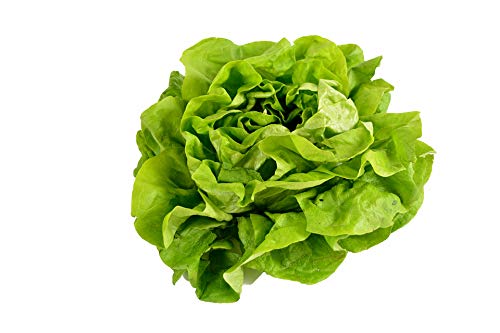
This lettuce is well known for its sweet flavor. Best if harvested in the morning.

Exceptional Germination Rates - Achieve a lush garden effortlessly with our Butter Crunch Lettuce seeds, boasting high germination rate. Ideal for both beginners and experienced gardeners, ensuring a successful harvest every time.
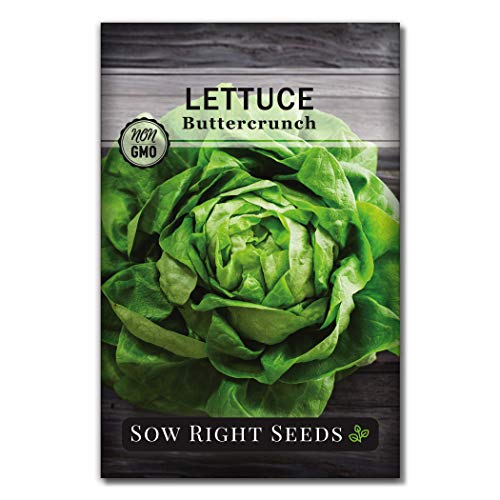
Beautiful - Full color packet of Buttercrunch Lettuce (Lactuca sativa) Seed. This bibb-type lettuce forms a tight rosette hiding a buttery yellow center. Slow to bolt and tolerant to warmer temperatures. AAS winner. Minimum of 600 mg per packet (about 650 seeds).
Short-Term Varieties
Short-term lettuce varieties mature quickly, generally within 30 to 40 days. Examples include:
- Looseleaf Lettuce: Harvest in about 30 days after sowing. You can pick individual leaves or cut the entire plant.
- Butterhead Lettuce: Ready for harvest in 40 days. The soft leaves maintain a sweet flavor.
These varieties thrive in cooler temperatures and are well-suited for spring or fall planting.
Medium-Term Varieties
Medium-term varieties take longer, usually maturing in 40 to 60 days. Examples include:
- Romaine Lettuce: Typically matures in 50 to 60 days. This type offers a crunchier texture and is ideal for salads.
- Buttercrunch Lettuce: Matures in about 50 days. It features a delightful blend of crispness and tenderness.
If you’re in a hotter climate, consider planting these varieties in partial shade to prevent bolting.
Long-Term Varieties
Long-term lettuce varieties take the most time, often 60 to 80 days to mature. Examples include:
- Iceberg Lettuce: Requires about 75 days for complete head formation. It’s ideal for sandwiches and burgers due to its firm, crisp texture.
- Red Romaine Lettuce: Takes approximately 70 days to mature. This adds a splash of color and flavor variety to your garden.
These varieties benefit from consistent moisture and nutrient-rich soil to support their extended growth period.
Tips for Optimal Growth
Maximizing lettuce growth involves several key practices. Implement these tips for the best results.
Recommended Products
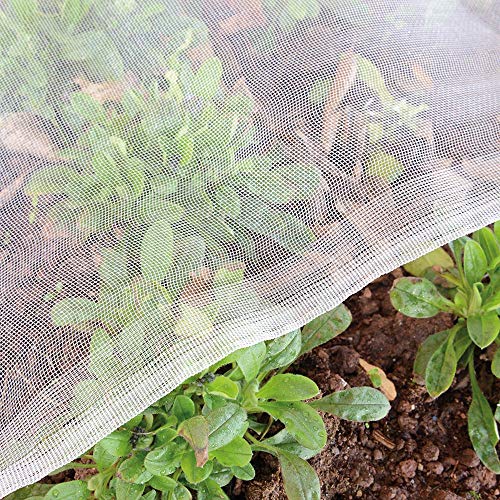
🥬Effective Bug Barrier: Protecting plants and vegetables from a wide range of pest insects and animals, such as cicadas, carrot fly and many species of aphids, you will get a healthier and happier garden

Defend Against Unwanted Visitors: Gardening is a rewarding and fulfilling endeavor, and you'll watch your plants grow from nothing to maturity before you finally harvest them. Once the plants begin to flower and bear fruit, these unwelcome visitors visit your garden and often leave a trail of destruction. Garden netting is the best choice for protecting your plants

【Upgraded Fine Mesh Netting】This fine mesh garden netting uses 0.7*0.8mm high-density garden insect netting to block, birds, and small animals, offering reliable plant protection netting for vegetables and flowers
Planting Techniques
- Choose the right time. Plant lettuce seeds in early spring or late summer for optimal success.
- Space seeds effectively. Sow seeds 12 to 18 inches apart to ensure adequate airflow and light exposure.
- Use quality seeds. Select disease-resistant varieties for better resilience.
- Thin seedlings. Once seedlings emerge, thin them out to about 6 to 12 inches apart to prevent overcrowding.
Pest Control
- Monitor regularly. Check for aphids, slugs, and caterpillars frequently to catch infestations early.
- Use barriers. Employ row covers to protect young plants from pests while allowing sunlight and moisture in.
- Apply organic treatments. Utilize neem oil or insecticidal soap to control pests without harming beneficial insects.
- Encourage beneficial insects. Attract predators like ladybugs and lacewings by planting flowers nearby.
- Time it right. Harvest leaf varieties when leaves are large enough to eat but before they start to flower.
- Cut carefully. Use sharp scissors to snip leaves from the base rather than pulling them off.
- Harvest gradually. Take a few outer leaves at a time, allowing the plant to continue growing.
- Store properly. Keep harvested lettuce in a cool, dry place or refrigerate in a sealed bag to maintain freshness.
Conclusion
Growing your own lettuce can be a rewarding experience. By understanding the maturation times of different varieties you can plan your garden for a continuous supply of fresh greens. Remember to consider factors like temperature and soil quality to ensure your lettuce thrives.
Whether you opt for quick-growing leaf varieties or the more time-consuming head lettuces patience is key. With a little care and attention you’ll be enjoying crisp and flavorful lettuce in no time. Happy gardening and enjoy the fruits of your labor!
Frequently Asked Questions
How long does it take for lettuce to grow from seed to harvest?
Lettuce maturation times vary by type. Short-term varieties like Looseleaf and Butterhead take about 30 to 40 days, medium-term varieties such as Romaine need 40 to 60 days, and long-term varieties like Iceberg can take 60 to 80 days.
What factors affect the growth of lettuce?
Temperature, soil quality, and watering practices significantly influence lettuce growth. Ideal temperatures for lettuce range between 60°F and 70°F, while nutrient-rich, well-draining soil with a pH of 6.0 to 7.0 is crucial for optimal development.
What are the best conditions for growing lettuce?
Lettuce thrives in cooler temperatures, ideally between 60°F and 70°F. Ensure the soil is nutrient-rich, well-draining, and maintain consistent moisture levels, providing about 1 inch of water per week for best results.
How often should I water lettuce?
Lettuce needs consistent moisture, typically requiring about 1 inch of water per week. Adjust your watering schedule based on rainfall and temperature to prevent the soil from drying out.
When is the best time to plant lettuce?
The best times to plant lettuce are early spring or late summer. This allows you to take advantage of cooler temperatures that promote better growth and flavor.
How should I space my lettuce plants?
Space lettuce plants 12 to 18 inches apart to allow sufficient airflow, which helps prevent disease and promotes healthy growth.
What pests should I watch for when growing lettuce?
Common pests include aphids and slugs. Regular monitoring and implementing pest control measures, such as row covers and organic treatments like neem oil, are essential for protecting your lettuce.
How do I properly harvest lettuce?
To harvest lettuce, snip leaves from the base with sharp scissors when they are large enough to eat, but before flowering. Harvest gradually to encourage continued growth and freshness.
How should I store freshly harvested lettuce?
Store harvested lettuce in a cool, dry place or refrigerate it in a sealed bag to maintain freshness. This helps keep the leaves crisp and delicious for longer.
