

Are you ready to grow your own fresh lettuce at home? If you’ve ever dreamed of enjoying crisp, homegrown salads, planting lettuce seeds is a fantastic place to start. It’s simple and rewarding, but knowing the right steps can make all the difference.
Key Takeaways
- Choose the Right Lettuce Variety: Understand the differences between leaf, romaine, and butterhead lettuce to select the best type for your garden preferences and conditions.
- Preparation is Key: Ensure a suitable planting location with full sun, well-draining soil, and the right pH (6.0-7.0) enriched with organic matter for healthy seed growth.
- Optimal Planting Techniques: Sow seeds 1-2 inches apart and at a depth of ¼ to ½ inch; ideally, plant outdoors in early spring or fall for the best results.
- Consistent Care: Maintain moisture while avoiding sogginess, providing 1-2 inches of water weekly, and apply balanced fertilizer every four to six weeks for robust growth.
- Harvesting Tips: Look for leaves that are 4-6 inches long, firm, and vibrant for optimal flavor. Use clean tools, harvest in the morning, cut at the base, and store properly to preserve freshness.
- Continuous Growth: For ongoing salads, consider seeding every few weeks and utilize proper harvesting techniques to promote new leaf growth for future harvests.
Understanding Lettuce Varieties
Lettuce comes in various types, each offering unique flavors and textures. Understanding these varieties helps you choose the best option for your garden and palate. Here are the main types of lettuce you can grow at home.
Leaf Lettuce
Leaf lettuce features loose, tender leaves and comes in green and red varieties. Popular types include Butterhead and Oak Leaf. This lettuce grows quickly and tolerates cooler temperatures. It’s ideal for continuous harvest; you can pick outer leaves while allowing the inner leaves to mature. Plant seeds in well-drained soil, and keep the soil consistently moist for best results.
Romaine Lettuce
Romaine lettuce has tall, sturdy heads and crisp leaves with a slightly sweet flavor. This variety is often used in Caesar salads. Romaine thrives in cooler weather and can take up to 75 days to mature. To grow successfully, ensure your garden receives full sun and ample water. Space plants 12 inches apart to allow for the broad leaf growth.
Butterhead Lettuce
Butterhead lettuce, known for its soft, buttery texture, forms loose heads. Varieties like Boston and Bibb are popular choices. This type matures in about 60 days and prefers cooler growing conditions. It’s best to grow Butterhead in partial shade, especially as temperatures rise. Keep the soil consistently moist for tender leaves and rich flavor.
Preparing to Plant Lettuce Seeds
Planting lettuce seeds requires preparation to promote healthy growth. Following these steps ensures you create the right environment for your plants.
Choosing the Right Location
Choose a location that receives full sun for at least six hours daily. Look for a spot shielded from strong winds, which can damage delicate seedlings. If you lack an outdoor area, consider a sunny windowsill or balcony. Always ensure the site drains well to prevent waterlogging, which can lead to root rot.
Soil Requirements
Select well-draining soil rich in organic matter for optimal growth. Lettuce prefers slightly acidic to neutral pH levels, ideally between 6.0 and 7.0. You can amend garden soil with compost or aged manure to enhance nutrient content. Consider using a soil mix designed for vegetables if planting in containers.
Testing soil nutrient levels can help determine if additional fertilizers are necessary. You may need to add balanced fertilizer before planting to support seedling development.
Planting Lettuce Seeds
Planting lettuce seeds is straightforward and rewarding. Follow these guidelines to ensure a successful start.
Recommended Products

EASIER SEED STARTING: Our Burpee SuperSeed tray with 36 flexible pop-out cells is designed to simplify indoor seed starting for all your favorite vegetables, flowers and herbs. Just add seed starting mix, seeds, water and light to get growing! Rows are labeled alphanumerically for seedling identification with included Plant-o-Gram diagram. Tray dimensions: 11.5" x 10-3/8" x 2-1/4"
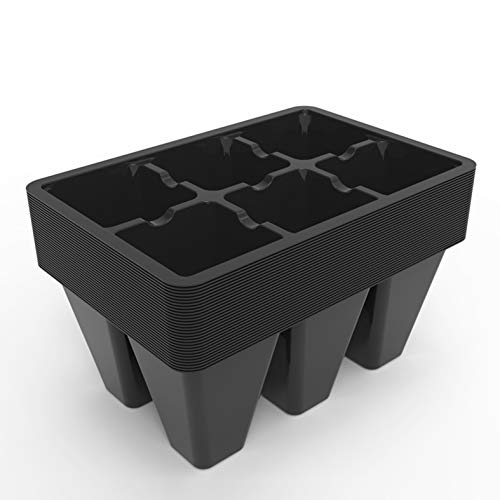
High Quality and Durable - Our Gardzen Seed Start Trays are made from premium plastic material, ensuring long-lasting use for all your seed starting needs. These trays are designed to withstand daily wear and tear, making them perfect for avid gardeners.

Upgraded Flexible Cells: Upgraded Silicone Seed Starter Tray with 12 flexible pop-out cells per tray. The soft silicone cells keep seedlings well protected and can be gently bent and popped out when it's time to transplant to your outdoor garden! Our seed starting trays are specifically designed to reduce stress on seedlings, so you won't damage their roots when transplanting
Seed Spacing and Depth
Space your lettuce seeds carefully for optimal growth. Generally, seeds should be sown 1-2 inches apart in rows. For broadcasting seeds, scatter them evenly over a small area and lightly rake the soil. Plant the seeds at a depth of about ¼ to ½ inch. This ensures adequate moisture while allowing seeds to germinate effectively. Thin seedlings to 4-6 inches apart once they develop true leaves. This creates space for each lettuce plant to thrive.
When to Plant Lettuce Seeds
Timing is essential for lettuce planting. Sow seeds outdoors in early spring to early summer, after the last frost date. This timing allows seedlings to capitalize on cool temperatures. For continuous harvests, consider planting every couple of weeks. If you live in a warm climate, try fall planting for a second crop before the winter. Indoors, start seeds 4-6 weeks before the last expected frost to get a jumpstart on the growing season.
Caring for Lettuce Plants
Caring for lettuce plants involves proper watering, fertilization, and maintenance for optimal growth.
Recommended Products

HELPS REGULATE SOIL MOISTURE: Miracle-Gro Organic Indoor Potting Soil Mix is an organic potting soil that protects indoor plants against over and under watering
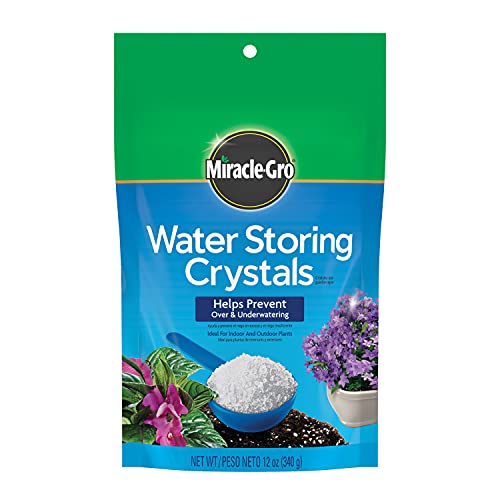
Prevents Over and Under Watering: Miracle-Gro Water Storing Crystals absorb moisture and release it back to your plants as needed, helping to prevent over and underwatering
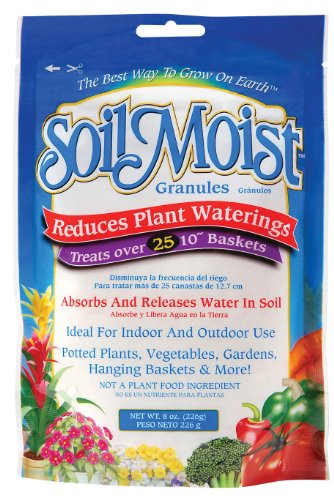
Grow beautiful plants with less water
Watering Guidelines
Water lettuce plants consistently to keep the soil moist but not soggy. Ensure the soil retains moisture within the top few inches while avoiding waterlogged conditions. You can often determine the need for watering by checking the soil; if the top inch feels dry, it’s time to water. Typically, lettuce needs about 1-2 inches of water weekly. Adjust for rainfall or extreme heat by monitoring the soil. Water in the morning to reduce evaporation and allow foliage to dry, lowering the risk of fungal issues.
Fertilization Tips
Fertilization supports robust growth in lettuce. Use a balanced, slow-release fertilizer, providing nutrients every four to six weeks. Aim for a formula with equal parts nitrogen, phosphorus, and potassium (e.g., 10-10-10). Apply according to the package instructions to prevent over-fertilization, which can lead to excessive leaf growth and poor flavor. Additionally, consider using compost as a top dressing to enhance soil quality while enriching nutrients.
Harvesting Your Lettuce
Harvesting lettuce is an exciting step in your gardening journey. Knowing when and how to harvest ensures fresh, flavorful greens for your salads.
Signs of Readiness
Look for the following signs to determine if your lettuce is ready for harvest:
- Leaf Size: Leaves should be at least 4-6 inches long, depending on the variety.
- Color: Leaves exhibit vibrant color, indicating optimal flavor and nutrient content.
- Firmness: Leaves feel crisp and firm to the touch. Avoid harvesting wilted or droopy leaves.
- Growing Conditions: Ensure you’ve planted at the right time; lettuce grows best in cooler temperatures.
Best Practices for Harvesting
Follow these best practices for a successful lettuce harvest:
- Use Clean Tools: Utilize clean scissors or garden shears to prevent disturbing the plant and spreading pathogens.
- Harvest Early: Pick lettuce in the morning when moisture is high. This helps preserve crispness.
- Cut, Don’t Pull: Cut leaves at their base to encourage new growth. Leave the inner leaves intact for future harvests.
- Wash and Store: Rinse harvested leaves gently in cool water. Dry them thoroughly and store in a breathable container in the refrigerator for up to a week.
By observing signs of readiness and following these practices, you can enjoy a bountiful harvest of fresh lettuce.
Conclusion
Growing your own lettuce can be a delightful experience that brings fresh flavors to your meals. By following the steps outlined in this guide you’ll be well on your way to enjoying a vibrant garden filled with crisp leaves.
Remember to choose the right variety that suits your taste and growing conditions. With a little care and attention to watering and fertilization your lettuce plants will thrive.
Soon enough you’ll be harvesting your own homegrown lettuce ready to add to salads sandwiches or whatever dish you fancy. Happy gardening and enjoy the fruits of your labor!
Frequently Asked Questions
What types of lettuce can I grow at home?
You can grow various types of lettuce at home, including Leaf Lettuce, Romaine Lettuce, and Butterhead Lettuce. Each type has unique flavors and textures. Leaf Lettuce grows quickly, Romaine is known for its crispness, and Butterhead offers a soft texture. Choose the type that best fits your salad preferences!
How do I prepare the soil for growing lettuce?
Prepare the soil for lettuce by ensuring it’s well-draining and rich in organic matter. Aim for a slightly acidic to neutral pH level between 6.0 and 7.0. Amend your garden soil with compost or aged manure and consider using a vegetable soil mix for container gardening to enhance nutrient levels.
When is the best time to plant lettuce seeds?
The best time to plant lettuce seeds outdoors is in early spring to early summer after the last frost date. For continuous harvests, sow seeds every couple of weeks. In warmer climates, consider fall planting for a second crop. Indoor seed starting should occur 4-6 weeks before the last expected frost.
How much water do lettuce plants need?
Lettuce plants need about 1-2 inches of water weekly, ensuring the soil remains moist but not soggy. Watering in the morning helps reduce evaporation and prevents fungal issues. Consistent watering is crucial for healthy growth, especially during hot weather.
How do I know when it’s time to harvest my lettuce?
Harvest your lettuce when leaves reach a good size, show vibrant color, and feel firm to the touch. It’s best to harvest in the morning using clean tools. Cut leaves at their base to promote new growth and wash them thoroughly before storage for freshness.
