

Have you ever wondered when the perfect time is to cut lettuce from your garden? You’re not alone! Many gardeners face the challenge of timing their harvest just right to enjoy the freshest, crunchiest greens.
Key Takeaways
- Lettuce Growth Stages: Familiarize yourself with the seedling and maturity stages, as these determine the ideal timing for harvesting your lettuce.
- Signs of Readiness: Look for vibrant leaf color, firmness, and appropriate size (6-12 inches in diameter) to ensure your lettuce is at its best for cutting.
- Cutting Techniques: Use sharp scissors or garden knives to cut lettuce about an inch above the soil. Harvest outer leaves first to encourage continued growth.
- Environmental Factors: Weather and soil quality significantly affect your lettuce’s growth and harvesting time, so monitor conditions and maintain healthy soil.
- Post-Harvest Care: Proper handling, cleaning, and storage are vital for maintaining the quality of freshly cut lettuce, extending its shelf life.
- Regrowth Potential: Learn how to regrow lettuce from trimmed leaves, enabling multiple harvests from a single plant and maximizing your garden’s yield.
Understanding Lettuce Growth Stages
Understanding the growth stages of lettuce helps decide the right time to cut your crop. Lettuce goes through specific phases, each with distinct characteristics.
Seedling Stage
In the seedling stage, seeds germinate and develop small, tender leaves. This stage lasts about 2 to 3 weeks. You can directly sow seeds in the garden or start them indoors. Keep soil moist, and ensure they receive ample light. Thin seedlings to allow about 6 to 12 inches of space between them. Healthy seedlings prepare the foundation for future growth, so pay attention to watering and nutrition.
Maturity Stage
The maturity stage is when lettuce reaches its full size and flavor. Depending on the variety, this can take anywhere from 45 to 80 days after sowing. Look for firm, well-shaped heads or clusters of leaves. Before cutting, check that the leaves aren’t wilting or turning yellow. Harvesting during this stage ensures you enjoy optimal taste and crunch. Use sharp scissors or a knife to cut the lettuce about an inch above the soil line, leaving the roots intact for potential regrowth.
Signs That Lettuce Is Ready to Cut
Identifying when your lettuce is ready for harvest ensures you enjoy the freshest greens. Here are key signs to look for:
Recommended Products

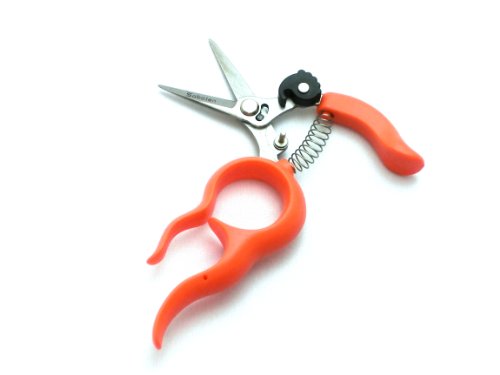
HERB GARDENING ESSENTIAL: Stainless steel blade plant shears with sheath ideal for harvesting herbs outdoors or with a window herb garden for kitchen; encourages overall lawn and garden health, or perfect gift to go with any indoor herb garden kit

GARDENING ESSENTIAL: With these stainless steel blade gardening shears, pruning tasks like cutting flower stems or maintaining your herb garden are easier with fast and clean cuts

Well-Designed & Easy-to-Use: These gardening scissors are built spring-loaded so that they automatically push themselves open without you having to do the work, significantly reducing hand fatigue
Leaf Color and Texture
Observe the color and texture of the leaves. Healthy lettuce shows vibrant green or deep purple hues, depending on the variety. Crisp leaves indicate readiness. If the leaves appear dull or wilted, postpone harvesting. The texture should be firm, not limp or floppy.
Size and Diameter
Check the size of your lettuce heads or clusters. Mature heads typically range from 6 to 12 inches in diameter. For loose-leaf varieties, look for leaves that are at least 4 to 6 inches long. If they meet these measurements, it’s time to cut. Remember, harvesting too late might result in bolting, where the plant sends up a flower stalk, leading to a bitter taste.
Best Techniques for Cutting Lettuce
Proper cutting techniques enhance the quality of your harvested lettuce. You can ensure freshness and promote further growth by following specific methods.
Recommended Products

Multi-Purpose Salad Chopper Scissors: Multi blade scissors effortlessly create fresh salads and meals, serving as an essential salad maker for consistent, quick meal prep and nice Valentines gifts for her.

【✂ Superb Quality】: Besides a beautiful finish, top quality build, professional design and ultra sharp blades make it feel comfortable, light and effortless while easily outperforming all other shears. It is made from premium, durable, top grade stainless steel that is rust and corrosion resistance, sharper and stronger.
Tools Required
- Sharp Scissors: Use scissors for precise cutting without damaging leaves.
- Garden Knife: A knife works well for larger heads. Choose one that’s easy to maneuver.
- Cutting Board: Utilize a clean cutting board to prepare your harvest for storage.
- Container: Have a container ready to collect the cut lettuce and keep it clean.
- Cut Above Soil Line: Slice the lettuce about an inch above the soil. This approach leaves the roots intact, allowing for regrowth.
- Harvest Outer Leaves First: Start by removing outer leaves, which are often the most mature. This method gives younger leaves room to grow.
- Twisting Motion: For loose-leaf varieties, grasp the leaf near the base and twist gently for an easy tear. This technique minimizes damage to the plant.
- Avoiding Bolting: If you notice signs of bolting, cut the entire plant quickly. Remove it before the leaves become bitter.
Factors Affecting Harvest Time
Several factors influence when to cut lettuce. Understanding these elements helps you make informed decisions for a successful harvest.
Weather Conditions
Weather directly impacts lettuce growth and harvest timing. Ideal temperatures for lettuce range from 60°F to 70°F. Cool temperatures enhance flavor and texture, while heat can lead to bolting. Monitor local forecasts. If a heatwave approaches, harvest earlier to avoid bitterness. Protect your crop with shade cloth on hot days, and be ready to harvest if temperatures rise unexpectedly.
Soil Quality
Soil quality plays a critical role in lettuce health. Rich, well-draining soil with a pH between 6.0 and 7.0 promotes vigorous growth. Conduct a soil test to assess nutrient levels. If your soil is deficient, amend it with compost or a balanced fertilizer. Healthy soil supports strong root systems, leading to optimal leaf development. Remember to keep the soil consistently moist but not waterlogged, as balanced moisture ensures a crunchy texture at harvest time.
Post-Harvest Care
Post-harvest care is essential for maintaining the quality and longevity of your lettuce. Proper handling and storage can ensure you enjoy fresh greens for as long as possible.
Storing Fresh Lettuce
Storing fresh lettuce correctly keeps it crisp and flavorful. Follow these tips for optimal storage:
- Wash Lettuce: Rinse your lettuce gently under cool water to remove dirt. Pat it dry with a clean towel or use a salad spinner.
- Use a Container: Place the cleaned lettuce in a breathable container. A salad bowl with a lid or a plastic bag with holes provides good airflow.
- Keep it Cool: Refrigerate the lettuce at temperatures between 32°F and 35°F. This range preserves freshness and prevents wilting.
- Check Regularly: Inspect your lettuce every few days for any signs of spoilage. Remove any bruised or slimy leaves to prevent them from affecting the rest.
Regrowing Lettuce from Trimmed Leaves
Regrowing lettuce from trimmed leaves is a simple and rewarding process. It lets you enjoy multiple harvests from one plant. Here’s how to do it:
- Select Your Lettuce: Choose lettuce varieties that grow well for regrowing, such as romaine or green leaf.
- Trim the Leaves: Cut the outer leaves while leaving about an inch of the base intact. This base will encourage new growth.
- Place in Water: Set the trimmed base in a shallow dish with just enough water to cover the bottom. Change the water daily to keep it fresh.
- Provide Light: Place the dish in a sunny spot where it receives bright, indirect sunlight. This encourages healthy growth.
- Transplant if Desired: Once new leaves emerge, consider transplanting the base into the garden or a pot with soil for continued growth.
By following these practices, you maintain the freshness of your lettuce and create opportunities for future harvests.
Conclusion
Harvesting your lettuce at the right time makes all the difference in flavor and texture. By paying attention to growth stages and environmental conditions you can ensure a bountiful and delicious crop. Remember to use the right tools and techniques for cutting to promote regrowth and maintain quality.
With a little care and attention your garden can provide fresh greens for many meals. Enjoy the satisfaction of growing your own lettuce and savor every crunchy bite. Happy gardening and happy harvesting!
Frequently Asked Questions
When is the best time to harvest lettuce?
The best time to harvest lettuce is when it reaches maturity, typically between 45 to 80 days after sowing. Look for firm heads or clusters of leaves and vibrant colors. Harvesting at this stage ensures optimal taste and crunch.
How do I know when my lettuce is ready to be picked?
Signs that lettuce is ready for harvest include vibrant leaf color, a crisp texture, and mature heads or leaves. For loose-leaf varieties, leaves should be at least 4 to 6 inches long, while mature heads should range from 6 to 12 inches in diameter.
What is the proper technique for harvesting lettuce?
To harvest lettuce, use sharp scissors or a knife to cut above the soil line, leaving the roots intact for potential regrowth. Start by taking outer leaves first and use a gentle twisting motion for loose-leaf varieties to prevent damage.
What conditions affect the harvest time of lettuce?
Weather conditions and soil quality significantly impact harvest time. Ideal temperatures for lettuce are between 60°F and 70°F. Hot weather can lead to bolting, while rich, well-draining soil supports healthy growth. Monitor local forecasts for heatwaves.
How should I store my harvested lettuce?
After harvesting, wash the lettuce and store it in breathable containers. Refrigerate at optimal temperatures (around 32°F to 36°F) and check regularly for spoilage to maintain freshness and quality.
Can I regrow lettuce after harvesting?
Yes, you can regrow lettuce from trimmed leaves. Choose suitable varieties, trim the base, and place it in water with adequate light. Depending on the variety, you may eventually transplant it for continued growth.
