

Have you ever wondered what to plant next to your lettuce for a thriving garden? You’re not alone. Many gardeners face the challenge of maximizing space while keeping plants healthy and productive.
Key Takeaways
- Companion Planting Benefits: Pairing plants like herbs and vegetables can enhance growth, manage pests, and optimize garden space.
- Ideal Companions: Effective companions for lettuce include basil, chives, cilantro, dill, carrots, and radishes, which provide nourishment and protection.
- Plants to Avoid: Stay clear of plant competitors like cabbage, fennel, and potatoes, which can hinder lettuce growth and attract pests.
- Seasonal Considerations: Timing your planting—like sowing lettuce with carrots in early spring—is crucial for successful growth.
- Weather Impact: Monitor local weather conditions to adjust your planting strategy, ensuring compatibility between temperature, rainfall, and sunlight for optimal results.
Companion Planting Overview
Companion planting involves pairing plants that benefit each other, creating a harmonious garden environment. This technique enhances growth, pest control, and overall plant health.
Benefits of Companion Planting
Companion planting offers several advantages, including:
- Pest Management: Certain plants repel pests, reducing the need for chemicals. For instance, planting marigolds next to lettuce deters aphids and other harmful insects.
- Soil Improvement: Some plants enrich the soil. For example, legumes like peas fix nitrogen, helping lettuce thrive.
- Space Optimization: Companion plants can occupy different vertical layers, maximizing garden space. Planting taller crops, like tomatoes, alongside shorter ones, like lettuce, ensures efficient use of sunlight.
- Nutrient Uptake: Some plants prefer nutrients that lettuce absorbs less, allowing for better overall growth. For instance, herbs like basil grow well with lettuce and don’t compete for the same resources.
- Microclimate Creation: Tall plants provide shade, protecting lettuce from heat, which can prevent bolting. Consider planting transplants alongside lettuce for mutual benefit.
- Flavor Enhancement: Pairing lettuce with herbs not only enhances flavors but can also attract beneficial insects. For example, planting dill nearby can improve the taste of lettuce while attracting predatory insects that control pests.
Ideal Companions for Lettuce
Companion planting enhances the growth and flavor of lettuce. Pairing compatible plants helps manage pests, support growth, and optimize space.
Recommended Products

WHAT'S INCLUDED: 5 separate seed packets - Slow Bolt Cilantro (about 360 seeds), Italian Basil (about 650), Italian Parsley (about 1,250), Common Chives (about 450) and Italian Oregano (about 4,000). Roughly 6,700 seeds in all.
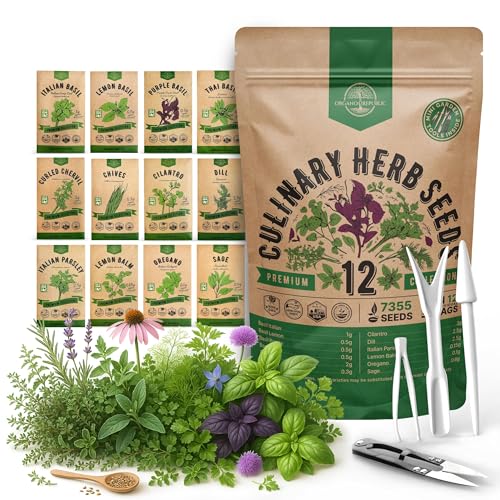
Gardening Kit: 12 Culinary Herbs Seeds Variety Pack NON GMO Heirloom Seeds LESS THAN $1.60 PER SEED VARIETY PACK 7,350+ seeds including: Basil Italian, Basil Lemon, Basil Purple, Basil Thai, Chervil, Chives, Cilantro, Dill, Italian Parsley, Lemon Balm, Oregano, Sage

Non-GMO & Organic Certified Seeds - Grow a complete herb garden with our USDA Certified Organic by OTCO and Non-GMO herb seeds variety pack. Includes Genovese Basil, Peppermint, Rosemary, Italian Flat Leaf Parsley, Slow Bolt Cilantro, Italian Oregano, Thyme, Common Chives, Bouquet Dill, and Broad Leaf Sage seeds, all proudly grown in the USA.
Herbs to Plant With Lettuce
- Basil: Basil repels aphids and attracts beneficial insects. It enhances the flavor of nearby lettuce.
- Chives: Chives deter pests like aphids while providing a mild onion flavor to dishes. Their deep roots can help aerate the soil.
- Cilantro: Cilantro attracts ladybugs, which prey on aphids. Its rapid growth doesn’t compete much for nutrients with lettuce.
- Dill: Dill attracts pollinators and can repel caterpillars. It grows tall, providing some shade for lettuce during the hotter months.
- Carrots: Carrots grow deep, pulling nutrients from the soil without competing for space. Their foliage also provides shade for lettuce.
- Radishes: Radishes germinate quickly and can be harvested before lettuce heads fully develop, making them suitable companions.
- Beets: Beets don’t crowd lettuce while improving soil structure with their deep roots. Both plants thrive in similar soil conditions.
- Onions: Onions deter pests like slugs and provide a robust flavor. Their tall stalks add vertical interest, optimizing garden space.
These companions boost your lettuce yield while keeping your garden vibrant and healthy.
Plants to Avoid Near Lettuce
Certain plants negatively affect the growth of lettuce. It’s essential to identify and avoid these to maintain a healthy garden.
Recommended Products

White hearts, leaves have crispy, sweet flavor, with Miracle-Gro Pour & Feed Singles Ready-to-Use Plant Food 4-pack for your garden; trust the experts with more than 200 years of experience

Beautiful - Large, premium packet of a blend of heirloom Lettuce seeds (Latuca sativa). This surprising mix of pretty and colorful lettuces will be a welcome addition to your garden in early spring and fall. Minimum of 600 mg per packet (about 650 seeds).

We grow a variety of edible seasonal seedlings (aka plugs/starts/transplants) that will flourish in your soil or hydroponic garden.
Negative Effects of Certain Plants
- Cabbage Family: Avoid planting cabbage, kale, or broccoli near lettuce. These plants compete for nutrients and can attract pests like aphids.
- Fennel: Keep fennel away from lettuce as it can inhibit growth. Fennel releases substances in the soil that stunt the development of nearby crops.
- Potatoes: Potatoes can harbor diseases that affect lettuce. Planting them close increases the risk of infection among your crops.
- Beets: Beets can also compete for nutrients and moisture. Their growth can overshadow lettuce, limiting sunlight exposure.
- Ignoring Compatibility: Pairing plants solely based on space can backfire. Always consider how plants interact to avoid negative effects.
- Overcrowding: Planting too many different varieties in one area can lead to competition and poor growth. Ensure sufficient space for each variety.
- Neglecting Soil Health: Focusing too much on plant placement without considering soil quality can diminish yields. Frequent testing and amending soil is critical.
- Assuming All Herbs Are Compatible: Some herbs, like dill, might inhibit lettuce growth when planted too closely. Research specific interactions before planting.
Seasonal Considerations
Understanding seasonal factors enhances companion planting for lettuce. Timing and weather conditions affect plant growth and compatibility.
Best Planting Times for Companions
When to plant companions depends on local climate and crops. Start by noting your area’s last frost date. For lettuce, early spring or late summer works well.
- Basil: Plant basil a few weeks after the last frost alongside lettuce. It prefers warm weather.
- Carrots: Sow carrot seeds simultaneously with lettuce in early spring. They thrive in cool soil and grow well together.
- Radishes: Plant radishes early in the season. They mature quickly, allowing room for lettuce to grow.
- Chives: Transplant chives in mid-spring. They benefit from similar watering needs and offer pest protection.
Regularly check local planting calendars for specific timing in your region.
Weather Impact on Companion Plants
Weather conditions impact growth and health of companion plants.
- Temperature Extremes: Lettuce prefers cooler weather, while companions like basil enjoy warmth. Monitor temperatures to ensure compatible growth.
- Rainfall: Excess rain can lead to root rot, especially for shallow-rooted lettuce. Choose companions that tolerate wet conditions.
- Sunlight: Ensure companions provide shade as lettuce matures. Plants like carrots can grow tall, offering some relief from direct sun.
Adjust your planting strategy based on the forecast. Keep an eye on seasonal changes in your area to maintain a healthy garden.
Conclusion
Pairing the right plants with your lettuce can make all the difference in your garden’s success. By choosing companions that enhance growth and deter pests you’re not just maximizing your space but also creating a thriving ecosystem.
Remember to keep an eye on compatibility and seasonal changes to ensure your plants flourish together. With a little planning you can enjoy a bountiful harvest while keeping your garden vibrant and healthy. Happy gardening and may your lettuce thrive alongside its new friends!
Frequently Asked Questions
What is companion planting?
Companion planting involves pairing different plant species that benefit each other when grown together. This method can help improve growth, deter pests, and maximize garden space, creating a healthier overall environment.
What are the best companions for lettuce?
Great companions for lettuce include herbs like basil, chives, cilantro, and dill, as well as vegetables such as carrots, radishes, and onions. These plants support lettuce growth, enhance flavor, and utilize garden space efficiently.
Which plants should I avoid planting near lettuce?
Avoid planting cabbage family members (cabbage, kale, broccoli), fennel, potatoes, and beets near lettuce. These plants may compete for nutrients, attract pests, or hinder lettuce growth.
How does companion planting benefit my garden?
Companion planting offers numerous advantages, including pest management, soil improvement through nitrogen-fixing plants, and enhanced nutrient uptake. It also creates beneficial microclimates, improves flavor, and attracts helpful insects.
When is the best time to plant companions with lettuce?
Basil should be planted a few weeks after the last frost, while carrots and radishes can be sown simultaneously with lettuce in early spring. Timely planting enhances compatibility and growth.
