

Have you ever wondered whether it’s better to cut or tear your lettuce? You’re not alone. Many home cooks face this simple yet surprisingly tricky question. The way you prepare your greens can affect not just their look but also their taste and texture.
Key Takeaways
- Preparation Matters: The way you prepare lettuce (cutting vs. tearing) significantly impacts the taste, texture, and presentation of your dish.
- Cutting Benefits: Using a sharp knife for cutting lettuce creates uniform pieces that enhance presentation and streamline meal prep, especially for formal salads.
- Tearing Advantages: Tearing lettuce by hand preserves its freshness and texture while maximizing surface area, allowing dressings to adhere better and enhancing flavor.
- Consider Lettuce Type: Different lettuce varieties respond differently to cutting or tearing; choose based on the type for optimal freshness and presentation.
- Match Method to Dish: Your preparation method should align with the type of dish being served—opting for cutting for formal salads and tearing for more casual, rustic presentations.
Overview of Lettuce Preparation
Preparing lettuce affects its presentation and taste. Understanding whether to cut or tear plays a key role in your dish’s success.
Cutting Lettuce
- Sharp Knife: Use a sharp knife for clean cuts. A dull blade bruises the leaves, affecting texture.
- Chopping Style: Cut lettuce in strips or squares based on your recipe. For salads, smaller pieces integrate flavors well.
- Storage: Cut lettuce wilts faster. Store it in an airtight container with a moist paper towel to extend freshness.
Tearing Lettuce
- Hand Method: Tear lettuce by hand for a rustic look. This method maintains the leaf’s integrity and reduces bruising.
- Flavor Release: Tearing can enhance the natural flavors of lettuce. The leaf edges expose more surface area, leading to better dressing adherence.
- Volume Control: Tearing creates inconsistent sizes, which might work for informal salads. Experiment to see what suits your style.
- Freshness Check: Always choose crisp, fresh heads of lettuce. Wilted or discolored leaves lead to undesirable texture.
- Utilizing Varieties: Different lettuce types suit various dishes. Romaine works well in Caesar salads, while butterhead enhances sandwiches.
- Cleaning Method: Rinse lettuce under cold water and dry thoroughly. Excess moisture affects both taste and longevity.
By understanding each method, you can elevate your cooking and enhance your dishes.
Benefits of Cutting Lettuce
Cutting lettuce comes with several benefits that can enhance your culinary experience. You’ll notice improvements in presentation, efficiency, and overall enjoyment of your salads.
Recommended Products
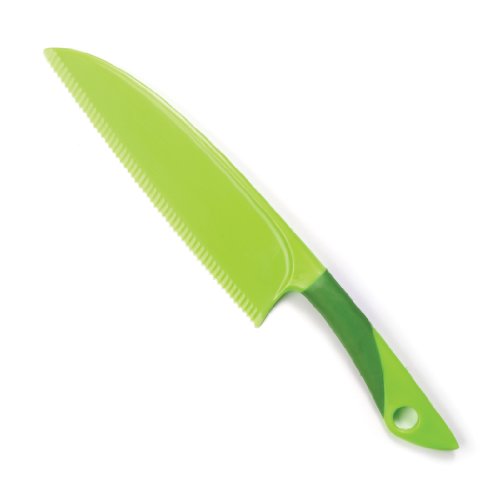
Non-slip, soft grip handle
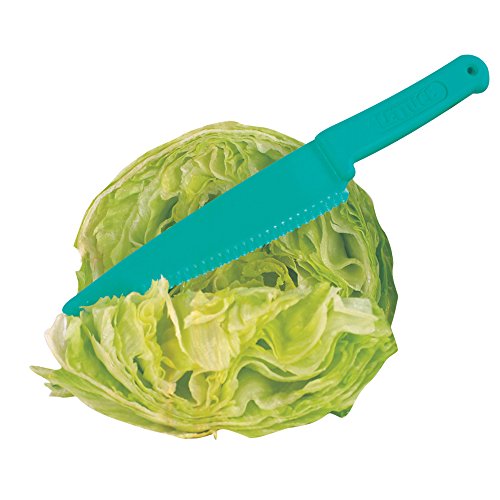
DURABLE DESIGN: Constructed from long-lasting and heat-resistant polystyrene plastic.

Stainless steel mezzaluna blade: Single curved rocker blade is crafted from high-quality stainless steel for precise, efficient chopping; resists rust and corrosion with regular use; sharp edge maintains performance across repeated sessions without dulling quickly
Enhancing Presentation
Cutting lettuce produces a uniform look that enhances presentation. Consider using a sharp knife to create clean, precise cuts. This approach works particularly well in formal salads or plated dishes, as it ensures even pieces that are visually appealing. For example, cut romaine into thin strips for a classic Caesar salad, or chop iceberg into squares for a crisp wedge salad. The consistent sizes invite diners to appreciate the attention to detail.
Efficiency in Preparation
Cutting lettuce saves time, especially when preparing large batches for gatherings. It allows for faster integration into your recipes. Use a sharp knife to speed through the cutting process without damaging the leaves. For instance, if you’re making a mixed salad, cutting various greens at once streamlines your prep time. Additionally, cut lettuce can fit neatly into containers, making it easy to store and serve. Just remember to keep it in an airtight container with a moist paper towel to maintain freshness.
Benefits of Tearing Lettuce
Tearing lettuce provides several advantages that enhance your salads and other dishes.
Recommended Products

NO KNIFE NEEDED: Chop a whole head of lettuce in seconds easily and safely with the SaladShears Lettuce Chopper.

【Multifunctional Salad Scissors】Our pampered chef stainless steel salad scissors are designed with an ergonomic handle that provides a comfortable and non-slip grip, making it easy to chop fruits and vegetables directly or in the salad bowl. The high-grade stainless steel blades with micro-serrated edges make it easy to work as a salad chopper, and the versatile design allows you to quickly chop lettuces, tomatoes, and fruits without the need for sharpening a knife.

[High Quality Salad Making Kit] Included the dual sharp blades salad scissors and Flexible salad serving Fork. the salad cutter curved and can wind up easily cutting salad at double speed in seconds. you can use the mixing fork easy mix various vegetable together evenly for a more delicious nutrition
Preserving Freshness
Tearing lettuce keeps it fresher for longer. When you tear leaves by hand, you avoid damaging the cell structure, which helps retain moisture and crispness. This method minimizes exposure to air, reducing the chance of wilting. For the best results, store torn lettuce in an airtight container lined with a damp paper towel. This helps maintain firmness and prolong freshness, making it ideal for meal prep.
Texture and Flavor Considerations
Tearing affects the texture and flavor of your salads. The uneven edges created by tearing provide a more rustic appearance, adding visual appeal to informal dishes. Tearing increases the surface area of each leaf, allowing dressings and flavors to adhere better. For example, when preparing a mixed greens salad, tearing the greens enhances the overall taste by ensuring every bit is well-coated with dressing. You can enjoy a more flavorful experience with this method compared to cutting, which may result in fewer flavor pockets.
Factors to Consider
Several factors affect whether to cut or tear lettuce, including the type of lettuce and the desired dish or salad.
Type of Lettuce
Different lettuce types respond uniquely to cutting or tearing. Leafy greens like romaine and butterhead retain freshness better when torn, preserving their crispness. Firm varieties, such as iceberg, can be cut without significant damage. For example, tearing romaine creates more surface area, allowing dressings to cling better, while cutting iceberg offers uniformity for salads needing precision.
Desired Dish or Salad
Your choice of method also hinges on the type of dish you’re preparing. For formal salads, like a composed Caesar salad, cutting provides a neat, polished appearance. In contrast, tearing suits rustic salads, like a mixed greens bowl, where a casual presentation enhances the overall aesthetic. If you’re mixing lettuce into a sandwich, torn leaves fit better, adding texture without overwhelming other ingredients. Consider the flavor experience you aim to create; for dishes requiring robust dressing adherence, torn lettuce often performs better.
Conclusion
Choosing between cutting and tearing lettuce really comes down to your personal preference and the dish you’re preparing. If you want a polished look and quicker prep time go for cutting. But if you’re after a fresh rustic vibe with enhanced flavor tearing is the way to go.
Remember to consider the type of lettuce you’re using and how it’ll be served. Whichever method you choose you’ll be on your way to creating delicious salads that impress. Enjoy experimenting with both techniques and find what works best for you and your meals. Happy cooking!
Frequently Asked Questions
What is the best method to prepare lettuce: cutting or tearing?
Both methods have their advantages. Cutting lettuce creates a clean, uniform look, ideal for formal dishes. Tearing, however, enhances flavor and texture while preserving freshness. The choice depends on your dish and presentation preferences.
Does cutting lettuce affect its freshness?
Yes, cutting lettuce can cause it to wilt faster due to bruising. Proper storage in an airtight container with a moist paper towel helps maintain freshness for cut lettuce.
How should I store cut or torn lettuce?
Store cut or torn lettuce in an airtight container lined with a damp paper towel. This prevents moisture loss and helps keep the greens crisp.
What types of lettuce are best for cutting?
Firm varieties such as iceberg are best for cutting since they hold up well and maintain their texture. Softer varieties like butterhead are better suited for tearing.
Can tearing lettuce really enhance flavor?
Yes, tearing lettuce increases the surface area, allowing dressing to adhere better. This results in a more flavorful experience compared to cutting, which can make the leaves less receptive to dressings.
Why is it important to rinse lettuce before preparation?
Rinsing lettuce under cold water removes dirt and pesticides, ensuring it is clean and safe to eat. Thorough drying afterward prevents watering down salads and maintains crispness.
How do I choose between cutting and tearing for my salad?
Consider the type of lettuce and the dish you’re making. For polished presentations, cutting is suitable; for rustic, flavorful salads, tearing is preferred for better texture and taste.
Is there a specific technique for cutting lettuce?
To cut lettuce, use a sharp knife to minimize bruising. Cut in strips or squares based on your recipe to achieve a uniform appearance ideal for salads and other dishes.
