

Have you ever thought about growing your own romaine lettuce but weren’t sure where to start? You’re not alone! Many people want to enjoy fresh, crisp salads right from their garden but find the planting process a bit daunting.
Key Takeaways
- Understand the Growing Conditions: Romaine lettuce thrives in cooler weather, ideally planted in spring and fall, with well-draining soil and a pH between 6.0 and 7.0.
- Nutritional Benefits: Rich in vitamins A, C, K, and fiber, romaine lettuce is a low-calorie addition that supports overall health and immunity.
- Seed Selection and Timing: Choose high-quality seeds like ‘Parris Island Cos’ and sow them 2-4 weeks before the last frost in spring, or 6-8 weeks before the first frost in fall.
- Consistent Care: Maintain consistent moisture levels in the soil, provide adequate sunlight, and use organic fertilizers to support healthy growth.
- Pest and Disease Management: Regularly inspect plants for pests such as aphids; implement preventive measures like row covers and choose disease-resistant varieties.
- Common Challenges: Address environmental factors like temperature and humidity by using shade cloth and ensuring proper airflow to maintain optimal growing conditions.
Understanding Romaine Lettuce
Romaine lettuce is a nutritious leafy green celebrated for its crisp texture and rich flavor. It’s often used in salads, sandwiches, and wraps. This variety thrives in cooler weather, making spring and fall ideal seasons for planting.
Nutritional Value
Romaine lettuce is low in calories but high in essential nutrients. It provides vitamins A, C, and K, along with folate and fiber. Incorporating this vegetable into your diet can enhance overall health and boost immunity.
Growth Conditions
Romaine lettuce prefers well-draining soil with a pH level between 6.0 and 7.0. It thrives in full sun but can tolerate partial shade. Adequate water is crucial; aim for consistent moisture without waterlogging.
Planting Timeframes
Plant romaine lettuce seeds outdoors 2 to 4 weeks before the last expected frost date in spring. For a fall harvest, sow seeds 6 to 8 weeks before the first expected frost date. This timing ensures optimal growth during cooler temperatures.
Companion Planting
Planting romaine lettuce alongside other plants can enhance growth and deter pests. Good companions include radishes, carrots, and herbs like parsley. Avoid planting with crops like beans and cabbage, which can stunt its growth.
Pest and Disease Management
Common pests include aphids and slugs. Regularly check your plants and use organic insecticides if infestations occur. Ensure proper spacing to improve air circulation and reduce disease risk.
By understanding these aspects of romaine lettuce, you’ll be better equipped for a successful growing experience.
Ideal Conditions For Planting
Romaine lettuce thrives under specific conditions. Ensuring these factors are met leads to a healthy and productive growing experience.
Recommended Products

Kindly NOTE: This soil tester can not be applied to test pH value of any other liquid. If the soil is too dry the indicator will not move, and water it before testing.

KNOW BEFORE YOU GROW | Grow the healthiest, sustainable lawn and garden with the most accurate and easy to use professional soil test kit on the market

Accurate Soil pH Testing: Dewildetradingco Soil pH Test Strips offer measurements of soil pH levels (pH 3.5-9). As an essential tool for every gardener and grower, these test strips help determine the optimal pH for various plants, such as outdoor plants, indoor plants, gardens, grass lawns, fruit trees, flowers, vegetables, and forest shrubs.
Soil Requirements
Romaine lettuce prefers well-draining, fertile soil. Aim for a pH level between 6.0 and 7.0. Incorporate organic matter like compost or aged manure to enrich the soil. Conduct a soil test to assess nutrient levels. If low in nitrogen, add a balanced fertilizer to enhance growth. Aim for a soil temperature of 55°F to 75°F for optimal germination.
Sunlight and Temperature
Romaine lettuce enjoys full sunlight for at least 6 to 8 hours each day. Choose a location with indirect light during extremely hot periods to prevent bolting. Temperatures between 60°F and 70°F yield the best results. If temperatures rise above 75°F, consider using shade cloth to protect your plants. Conversely, if temperatures drop below 40°F, seedlings may struggle.
Step-By-Step Guide to Planting Romaine Lettuce
Planting romaine lettuce is straightforward when you follow the right steps. Here’s how to successfully grow your own crisp, fresh heads.
Recommended Products
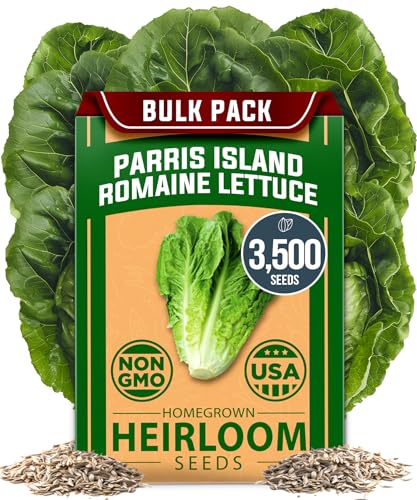
HIGH GERMINATION RATE FOR RELIABLE GROWTH - Our Parris Island Romaine Lettuce Seeds boast an impressive germination rate. High quality and rapid sprouting heirloom lettuce seeds ensuring a bountiful harvest for your vegetable garden.

🥬 Heat-Tolerant Upright Romaine: Jericho Romaine Lettuce (Lactuca sativa) forms tall, sturdy heads with crisp ribs and tender, mildly sweet leaves. Known for its strong heat tolerance compared to many romaine varieties, it grows 18–24 inches tall and delivers reliable harvests in extended spring and early summer conditions.

Selecting Seeds
Choose high-quality romaine lettuce seeds. Look for varieties like ‘Parris Island Cos’ or ‘Little Gem’, known for their resilience and flavor. Buy seeds from reputable sources to ensure germination success. Check the expiration date on seed packets to guarantee freshness.
Preparing the Soil
Prepare well-draining soil with a mixture of organic matter. Aim for a pH level between 6.0 and 7.0. Test your soil to confirm these conditions. Add compost or aged manure to improve fertility. Tilling the soil to a depth of about 12 inches promotes root growth.
Sowing the Seeds
Sow seeds directly into the garden bed or starter trays. Space seeds roughly 12 inches apart in rows. Cover them lightly with ¼ inch of soil. For starter trays, plant 2-3 seeds per cell; thin to one strong seedling later. Germination occurs in 7 to 14 days under optimal conditions.
Watering and Care
Water your romaine lettuce consistently. Keep the soil moist but not soggy. Use mulch around plants to retain moisture and suppress weeds. Monitor temperatures closely. If high, provide shade during peak sun hours. Fertilize every 4-6 weeks with a balanced organic fertilizer to promote healthy growth.
Common Challenges and Solutions
Growing romaine lettuce presents challenges, but solving these issues enhances your success. Here are common challenges with practical solutions.
Recommended Products

KILLS LISTED INSECTS ON CONTACT: Tomato & Vegetable Insect Killer kills aphids, Japanese Beetles, cutworms, and other listed pests
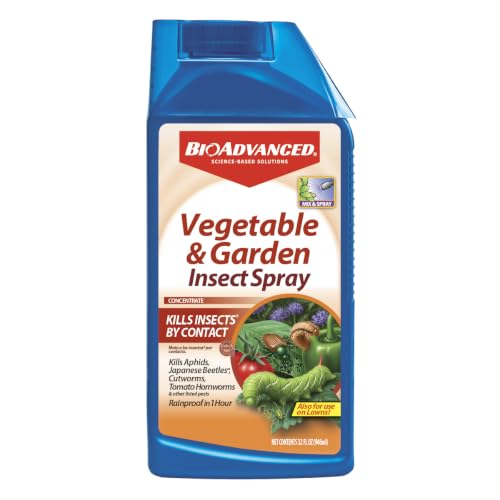
KILLS LISTED INSECTS ON CONTACT: Vegetable & Garden Insect Spray kills stink bugs, ants, ticks, fleas, mosquitos, flies, aphids, and over 70 other listed insects

3-in-1 FORMULA: Insect, disease, and mite control for use on roses, flowers, shrubs and trees.
Pests and Diseases
Pests and diseases often threaten romaine lettuce. Common pests include aphids, slugs, and caterpillars. To manage these pests:
- Inspect Regularly: Check plants daily for signs of damage or insects.
- Use Barriers: Implement row covers or nets to deter pests.
- Apply Organic Pesticides: Use neem oil or insecticidal soap if infestations occur.
- Rotate Crops: Change planting locations each season to reduce disease risks.
Disease issues, such as downy mildew or lettuce drop, affect growth. Prevent these diseases by:
- Practicing Good Hygiene: Clean tools and remove debris from the garden.
- Ensuring Proper Spacing: Space plants to enhance air circulation.
- Choosing Resistant Varieties: Opt for seeds labeled resistant to specific diseases.
Environmental Factors
Environmental factors significantly impact the growth of romaine lettuce. Temperature, light, and humidity play crucial roles. Here are methods to address these factors:
- Monitor Temperature: Lettuce thrives best between 60°F and 70°F. Use shade cloth in hot weather to keep plants cool.
- Ensure Adequate Sunlight: Aim for 6-8 hours of sunlight daily. If sunlight is limited, consider using grow lights.
- Manage Watering: Over or under-watering can lead to issues. Water deeply but infrequently, ensuring soil remains moist but not soggy.
- Control Humidity: High humidity can foster disease. Use fans or ventilation to maintain airflow around plants.
By addressing these common challenges effectively, you’ll cultivate healthy, vibrant romaine lettuce.
Conclusion
Growing romaine lettuce can be a rewarding experience. With a little care and attention you can enjoy fresh crisp leaves right from your garden. Remember to keep an eye on the conditions and tackle any pests or diseases early on.
By following the tips shared you’ll set yourself up for success. So grab your seeds and get started on your romaine journey. Happy gardening!
Frequently Asked Questions
What are the nutritional benefits of romaine lettuce?
Romaine lettuce is packed with vitamins A, C, and K, as well as folate and fiber. It supports eye health, boosts the immune system, and aids digestion. Incorporating romaine into your diet can add essential nutrients while being low in calories.
What are the ideal growing conditions for romaine lettuce?
Romaine lettuce thrives in well-drained soil with a pH of 6.0 to 7.0, rich in organic matter. Ideal temperatures range from 60°F to 70°F. Ensure it receives plenty of sunlight, approximately 6 to 8 hours a day, for optimal growth.
When is the best time to plant romaine lettuce?
The best time to plant romaine lettuce is in early spring or late summer, depending on your climate. This crop grows best in cooler temperatures, so aim to plant when the weather is not too hot.
Can I plant mojito with romaine lettuce?
Yes, romaine lettuce grows well with companion plants like carrots, radishes, and herbs like cilantro. These plants can help deter pests and improve flavor. Avoid planting with crops like cucumbers, as they may compete for nutrients.
How do I manage pests on romaine lettuce?
Regularly inspect your plants for pests like aphids. Use organic pesticides to manage outbreaks and introduce beneficial insects, such as ladybugs. Crop rotation can also help prevent pest recurrence and disease.
What conditions contribute to romaine lettuce diseases?
Romaine lettuce diseases, such as downy mildew, thrive in high humidity and poor air circulation. To prevent these issues, ensure proper spacing between plants, monitor moisture levels, and avoid overhead watering.
How can I monitor environmental factors for growing romaine?
Use a thermometer to track soil and air temperatures. A simple rain gauge can help manage watering, while hygrometers measure humidity levels. Regularly check each factor to ensure optimal growing conditions for romaine lettuce.
What are the signs of proper watering for romaine lettuce?
Signs of proper watering include firm, crispy leaves and deep green color. The soil should be consistently moist, but not waterlogged. Overwatering can lead to yellow leaves or root rot, while underwatering can cause wilting.
