

Wondering how often to water your lettuce plants? You’re not alone! Many gardeners struggle with finding the right balance. Too little water can lead to wilting and poor growth, while too much can cause root rot and other issues.
Key Takeaways
- Watering Frequency: Water lettuce every 2-3 days in hot climates and once a week in cooler areas, adjusting based on rainfall and soil type.
- Growth Stages: Seedlings need watering every 2-3 days, while mature plants require consistent moisture, potentially every 2-3 days especially in heat.
- Signs of Watering Issues: Look for wilting and crispy edges for underwatered lettuce; yellowing leaves and mushy roots indicate overwatering.
- Soil Considerations: Sandy soils require more frequent watering (every 2 days), while clay soils hold moisture longer, needing checks every 3-5 days.
- Best Practices: Water deeply, preferably in the morning or late afternoon, and consider using drip irrigation or soaker hoses for efficient moisture delivery.
- Monitor Soil Moisture: Regularly check soil moisture with finger tests or moisture meters to ensure optimal conditions for your lettuce plants.
Understanding Lettuce Watering Needs
Watering lettuce plants requires attention to specific factors and growth stages. You must strike a balance for optimal health.
Factors Influencing Watering Frequency
- Climate Conditions: Hot, dry environments increase water needs. In cooler, humid areas, plants require less frequent watering.
- Soil Type: Sandy soils drain quickly and necessitate more frequent watering. Clay soils retain moisture longer, so watering occurs less often.
- Plant Size: Larger, established plants need more water compared to younger seedlings. Increasing the amount as the plant grows promotes healthy development.
- Mulching: Using organic mulch helps retain soil moisture. It reduces evaporation, leading to less frequent watering.
- Seedling Stage: Water seedlings gently every 2-3 days. Keep the soil moist but not soggy.
- Vegetative Stage: During this stage, water about 1-2 times per week. Ensure deep watering to encourage root growth.
- Mature Stage: Mature lettuce needs consistent moisture. Water every 2-3 days, especially during hot weather.
Consider these key factors and growth stages to establish a consistent watering routine for your lettuce. Adjust based on your specific conditions for the best results.
Signs of Underwatering and Overwatering
Monitoring your lettuce plants for watering signs helps maintain their health and vigor. Knowing the indicators of both underwatering and overwatering ensures your plants thrive.
Recommended Products

Accurate Soil Moisture Detection: The XLUX Soil Moisture Meter can tell you if the soil deep inside your pot or garden is dry, moist or wet; whereas your eyes and fingers can only determine the moisture level of the soil surface. The probe is 5.5 inches (14 cm) longer than regular styles, allowing it to measure the soil moisture at the bottom of larger and deeper flower pots.

【Instant & Accurate Moisture Reading, No More Guesswork】 This plant moisture meter gives precise soil moisture readings in seconds! The responsive pointer instantly tells you if soil is dry, moist, or wet. It helps avoid overwatering & root rot, letting you water plants like a pro with confidence
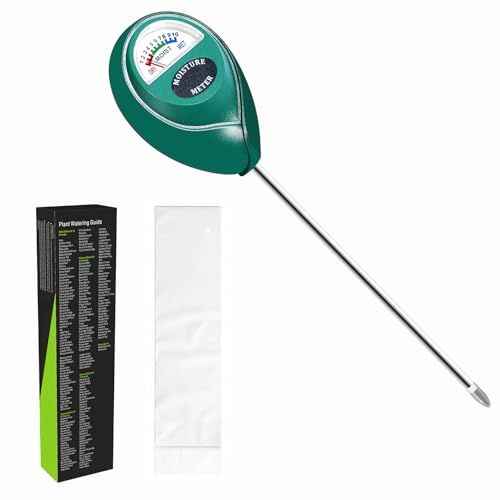
Trusted Since 2015: Become one of the many plant lovers who rely on the proven accuracy of XLUX. Established in 2015, our soil moisture meter has earned over 60,000+ verified ratings for its consistent performance. While many many newer brands come and go, we provide the long-term reliability and quality that American households have trusted for over a decade.
Recognizing Underwatered Lettuce
You can spot underwatered lettuce by observing the following signs:
- Wilting Leaves: Leaves droop or appear limp, indicating inadequate moisture.
- Crispy Edges: Tips and edges of leaves feel dry and brittle.
- Stunted Growth: Plants show slow or halted growth, usually due to stress from lack of water.
- Soil Dryness: Soil feels dry several inches below the surface when you test it.
Regular checks on these symptoms can help you adjust your watering schedule promptly.
Identifying Overwatered Lettuce
Overwatered lettuce presents a different set of signs:
- Yellowing Leaves: Leaves turn yellow, especially the lower ones, often indicating root issues.
- Mushy Roots: Roots appear brown or black and feel soft, suggesting root rot.
- Pooling Water: Water collects on the surface or near the plant’s base, signaling excess moisture.
- Stunted Growth: Similar to underwatering, overwatering can also lead to growth issues.
Monitoring these indicators ensures you achieve the right balance in watering your lettuce plants.
Ideal Watering Schedule for Lettuce
A consistent watering schedule optimizes the growth of your lettuce plants. You must consider climate, soil type, and growth stages to determine how often to water.
Recommended Products

【4 in 1 function】This is a 4-in-1 multifunctional soil tester.Our soil tester fastly to measure soil moisture, pH, temperature and sunlight to help you take better care of flowers and plants.You can know when you need to water your soil by measuring moisture and pH & Temperature value of the soil and sunlight level of plants with it.

Kindly NOTE: This soil tester can not be applied to test pH value of any other liquid. If the soil is too dry the indicator will not move, and water it before testing.
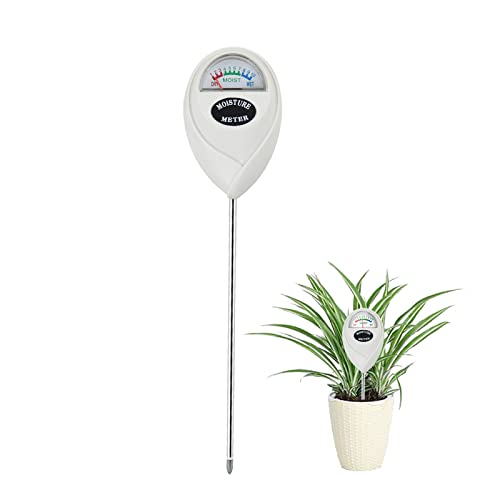
【SAVE YOUR PLANTS】: Over watering can cause problems with your plants or even kill them. This soil moisture meter helps you know the soil is dry, moist or wet.No more over watering!
Recommended Frequency Based on Climate
You should water lettuce plants every 2 to 3 days in warm climates. During hotter months, check moisture levels daily. In cooler areas, watering once a week often suffices. Rainfall plays a significant role; adjust your schedule if you’ve received sufficient precipitation.
Adjusting Watering for Soil Type
You’ll need to modify your watering if your soil drains quickly, such as sandy soils. Water these types more frequently, about every 2 days. If you have clay soil, which retains moisture, check your plants every 3 to 5 days before watering.
Monitoring soil moisture is vital. Stick your finger about an inch into the soil; if it feels dry, it’s time to water.
Best Practices for Watering Lettuce
Watering lettuce plants requires a careful approach. You should consider several strategies to ensure healthy growth and optimal yield.
Techniques for Efficient Watering
- Water Deeply: Water thoroughly until the soil is saturated. This encourages deep root growth, which helps the plant access more nutrients and moisture.
- Water Early or Late: Water in the early morning or late afternoon. Avoid watering during the hottest part of the day to reduce evaporation and allow the plants to absorb water effectively.
- Use a Drip Irrigation System: Implement a drip irrigation system for consistent moisture. This method delivers water directly to the root zone, preventing waste and reducing the risk of leaf wetness, which can promote disease.
- Check Soil Moisture: Regularly check the soil’s moisture level. Insert your finger about an inch deep into the soil; if it’s dry, it’s time to water.
- Soaker Hoses: Use soaker hoses for gradual watering. They provide an efficient way to irrigate by releasing water slowly along their length.
- Watering Cans: Use lightweight watering cans for small patches. They allow for precision watering, especially in tight spaces.
- Moisture Meters: Invest in a moisture meter to monitor soil moisture levels. These devices offer real-time readings, helping you determine when to water.
- Sprinklers: Employ oscillating or stationary sprinklers for larger lettuce patches. They can cover more area and ensure even watering, but avoid direct overhead watering to minimize disease risks.
By following these best practices, you encourage healthier lettuce plants with robust growth and enhanced productivity.
Conclusion
Finding the right watering routine for your lettuce plants can make all the difference in their growth and health. By paying attention to the specific needs of your plants and adjusting based on the conditions around them you’ll set yourself up for success.
Remember to check the soil moisture regularly and use techniques that work best for your setup. With a little care and attention your lettuce will thrive and provide you with delicious, fresh greens. Happy gardening!
Frequently Asked Questions
How often should I water lettuce plants?
Lettuce plants generally require consistent moisture. Water them at least 1 inch per week, increasing frequency during hot weather. Young seedlings need more frequent watering, while mature plants can be watered less often but deeply.
What signs indicate underwatering in lettuce?
Underwatered lettuce will exhibit wilted leaves, dry soil, and slow growth. It’s crucial to monitor these signs regularly to ensure optimal watering and plant health.
How can I tell if my lettuce is overwatered?
Signs of overwatering include yellowing leaves, wilted appearance despite wet soil, and root rot. Ensure proper drainage and adjust your watering schedule to prevent these issues.
What role does organic mulch play in watering lettuce?
Organic mulch helps retain soil moisture, regulate temperature, and suppress weeds. Applying a layer of mulch around your lettuce plants can improve overall growth and reduce the frequency of watering.
What are some effective watering techniques for lettuce?
Deep watering promotes healthy root development. Consider using drip irrigation, soaker hoses, or moisture meters to ensure your lettuce receives adequate hydration without overwatering.
Should I water lettuce in the morning or evening?
Watering in the morning is ideal, as it allows the soil to absorb moisture before the heat of the day. Evening watering can increase disease risks due to prolonged soil moisture.
How does climate affect lettuce watering needs?
Climate plays a significant role in watering needs. Hot, dry climates require more frequent watering, while cooler, humid conditions may allow for less frequent watering. Always adjust based on local weather conditions.
