

Struggling to get those carrots to thrive in your clay soil? Ever wondered what the secret is to turning that stubborn clay into a carrot paradise? Picture this: you’ve toiled away, planting your carrot seeds with high hopes, only to be met with disappointing results. But fear not, dear gardener, for we’ve got the solution you’ve been searching for!
Why Clay Soil is Challenging for Carrots
Clay soil presents a unique set of challenges for growing carrots that can make your gardening experience trickier. Here’s why:
- Poor Drainage: The dense structure of clay soil hinders water drainage, leading to waterlogged conditions that can suffocate carrot roots.
- Compacted Soil: Clay soil tends to become densely packed, making it tough for carrot roots to penetrate and grow properly.
- Lack of Aeration: The heavy, sticky nature of clay soil restricts airflow, hindering root development and nutrient uptake for carrots.
- Nutrient Imbalance: Clay soil can have poor nutrient availability for carrots due to its tendency to hold onto minerals instead of making them available to plants.
These factors combined make clay soil a challenging environment for successful carrot growth.
Testing Your Soil for Optimal Amendments
When it comes to ensuring your clay soil is ready for successful carrot growth, testing your soil is a crucial first step. Here’s how you can go about it:
- Soil Test Kits: Start by obtaining a soil test kit from your local extension office or garden center. These kits are user-friendly and provide valuable insights into your soil’s pH levels and nutrient composition.
- Sampling: Take soil samples from different parts of your garden to get a comprehensive overview. Mix these samples in a clean container before testing.
- Analysis: Follow the instructions on your soil test kit to analyze the samples accurately. The results will inform you about any nutrient deficiencies or imbalances that need addressing.
- Consultation: If you’re unsure about interpreting the results, don’t hesitate to reach out to gardening experts or the extension office for guidance.
By understanding your soil’s specific needs, you can tailor your amendments effectively to create the best possible environment for your carrot crop.
Recommended Products

Quick, at home results for Soil pH, Nitrogen, Phosphorous and Potash Innovative and inexpensive soil test kit features an easy-to-use capsule system and patented color comparators

Quick, at home results for Soil pH, Nitrogen, Phosphrous and Potash

Comprehensive Soil Analysis: Liquid soil test kits offer a comprehensive analysis of essential soil parameters, including pH, ammonia, nitrogen, phosphorus, and potassium. Having all these measurements in one kit provides a holistic understanding of the soil's fertility and health.
Organic Amendments to Improve Clay Soil
To improve clay soil for carrots, consider using organic amendments tailored to the specific needs of your soil. Here are some organic options you can use:
- Compost: Adds nutrients and improves soil structure.
- Aged Manure: Helps with drainage and adds organic matter.
- Peat Moss: Aids in aeration and water retention.
When amending clay soil for carrots, it’s essential to mix these organic amendments thoroughly to ensure even distribution.
Using Cover Crops for Soil Improvement
When amending clay soil for carrots, another effective method is using cover crops. Cover crops can help break up compacted clay soil, improve drainage, and add organic matter to enhance soil structure. Here’s how you can utilize cover crops to prepare your soil for successful carrot cultivation:
- Select suitable cover crops: Choose cover crops like buckwheat, clover, or winter rye that are known for their ability to improve soil quality.
- Plant cover crops: Sow the seeds of your selected cover crops in the designated area. Make sure to follow the recommended planting instructions for each type of cover crop.
- Allow cover crops to grow: Let the cover crops grow for the specified period to work their magic in the soil. They will help loosen compacted clay and add essential nutrients.
- Turn cover crops into the soil: Once the cover crops have reached the desired stage of growth, incorporate them into the soil. This process, known as green manure, will enrich the soil with organic matter.
By incorporating cover crops into your soil amendment plan, you can enhance its quality and create an optimal environment for growing healthy and robust carrots.
Recommended Products
![No-Till Cover Crop 13-Seed Mix (½-lb): [50% Clovers Plus Fenugreek, Vetch, Flax, Cowpeas, Buckwheat, Forage Peas, Millet, Lentils, Crimson Clover, Sweet Yellow Clover, White Clover, Medium Red Clover]](https://m.media-amazon.com/images/I/61tz3UL4ZfL._SL500_.jpg)
13 different varieties of THE most popular cover crops in the community in 1 bag = balanced bio-diversity
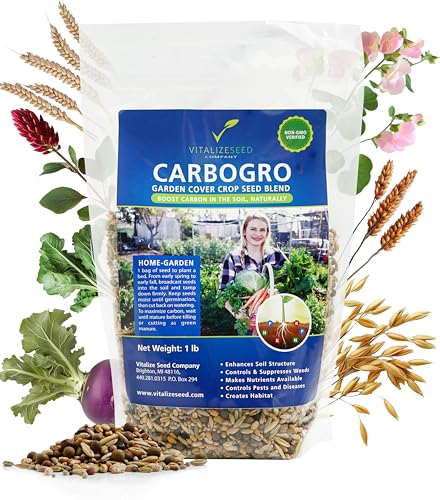
🌱 DIVERSE COVER CROP MIX WITH 16 SPECIES: Carbogro offers an unmatched blend of 16 species, including grains, brassica, clovers, and more. This diverse seed mix ensures a well-balanced approach to cover cropping, benefiting both soil health and crop productivity.

🌱 Diverse 9-Seed Cover Crop Mix – Non-GMO & Heirloom – Includes Austrian Field Pea, Hard Red Winter Wheat, Triticale, Daikon Radish, Hairy Vetch, Crimson Clover, Berseem Clover, Yellow Mustard, and Collard Greens. A powerhouse blend for soil enrichment and weed suppression.
Best Practices for Growing Carrots in Amended Clay Soil
When growing carrots in amended clay soil, it’s important to follow these best practices to ensure successful cultivation:
- Proper Watering: Carrots need consistent moisture, especially in clay soil. Water deeply but less frequently to prevent surface crust from forming.
- Loose Soil: Maintain loose soil to allow carrot roots to grow straight. Avoid compacting the soil by working it when it’s dry.
- Thinning: Carrot seedlings need space to develop. Thin them to around 2 inches apart to prevent overcrowding.
- Pest Control: Keep an eye out for pests like carrot rust fly. Consider using row covers to protect your crop.
- Harvest Time: Harvest carrots when they reach maturity. Knowing when to harvest will ensure you get the best flavor and texture.
These best practices will help you achieve a bountiful carrot harvest even in clay soil.
Conclusion
You now have the tools to cultivate thriving carrot crops in clay soil. Remember to maintain moisture levels, promote straight root growth, thin seedlings, protect against pests, and harvest at peak ripeness for delicious carrots. By applying these techniques, you can enjoy a plentiful harvest of flavorful carrots from your clay soil garden. Happy gardening!
Frequently Asked Questions
Q: Why is watering important for growing carrots in clay soil?
A: Watering is crucial to provide consistent moisture for carrot development, ensuring proper growth and preventing cracking or stunted roots.
Q: How does keeping soil loose benefit carrot growth?
A: Loose soil allows carrot roots to penetrate easily, promoting straight growth and preventing deformities caused by obstacles like rocks or compacted soil.
Q: Why is thinning seedlings necessary in carrot cultivation?
A: Thinning seedlings prevents overcrowding, allowing space for carrots to develop properly without competition for nutrients and ensuring larger harvests.
Q: What pest control measures can be used for protecting carrot plants?
A: Implementing row covers can shield carrot plants from pests like carrot rust flies or aphids, safeguarding the crop without harmful chemicals.
Q: When should carrots be harvested for the best flavor and texture?
A: Harvest carrots at the right maturity, usually indicated by vibrant color and firm texture, to enjoy optimal taste and quality.
