

Do you ever dream of harvesting fresh, crunchy carrots all year round, even in the dead of winter? Picture this: snow falling outside, but inside your greenhouse, rows of vibrant orange carrots thriving. Imagine the joy of plucking them straight from the soil for your favorite dishes. In this article, you’ll uncover the secrets to successfully growing carrots in your greenhouse, no matter the season.
Have you ever faced the disappointment of store-bought carrots lacking flavor and freshness? It’s a common struggle, but fret not! By learning the art of greenhouse carrot cultivation, you can savor the unparalleled taste of home-grown produce. From soil preparation to pest management, we’ve got you covered. Get ready to elevate your gardening game and enjoy a bountiful harvest of delicious, home-grown carrots with our expert tips and tricks.
Choosing the Right Carrot Variety
When selecting a carrot variety for your greenhouse, consider the following factors to ensure a successful harvest:
- Size: Determine if you prefer standard-sized carrots or smaller baby carrots.
- Shape: Choose between cylindrical or nantes-shaped varieties based on your preference.
- Color: Explore options like orange, purple, or white carrots for a colorful harvest.
- Flavor: Some varieties are sweeter or more earthy, so select based on your taste preferences.
- Growing season: Opt for fast-maturing varieties if you want to enjoy your carrots sooner.
Experiment with different carrot varieties to discover which ones thrive in your greenhouse environment and suit your taste preferences.
Setting up the Greenhouse Environment
When preparing your greenhouse for growing carrots, ensure ample sunlight exposure for at least 6 hours a day, positioning it where it can receive direct sunlight.
Maintain proper ventilation by installing vents or fans to regulate temperature and humidity, preventing mold and disease.
Choose well-draining soil rich in organic matter to promote healthy root growth, and keep the soil consistently moist but not waterlogged.
To monitor environmental conditions, consider utilizing a thermometer and hygrometer to track temperature and humidity levels accurately.
Introduce beneficial insects like ladybugs to keep pests at bay, avoiding the need for harsh chemicals that can harm your crops and the environment.
Provide support structures like trellises if growing long-rooted varieties to prevent bending or breaking under their weight.
Recommended Products
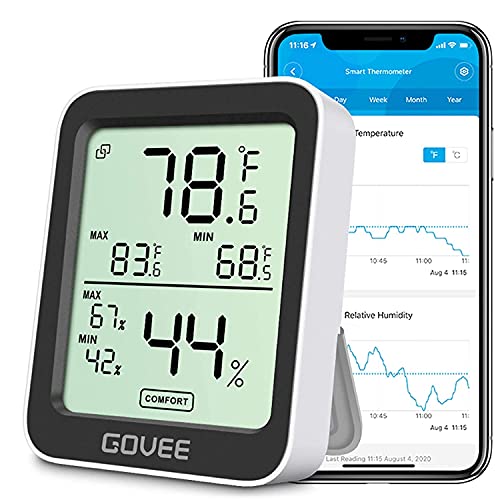
Smart Features: The Govee Wireless Thermometer Hygrometer supports all basic functions as well as smart functions such as remote monitoring and temp humidity graphs. Our humidity meters are reliable and easy to use for homes, greenhouses and more.(Only supports 164ft Bluetooth connection)
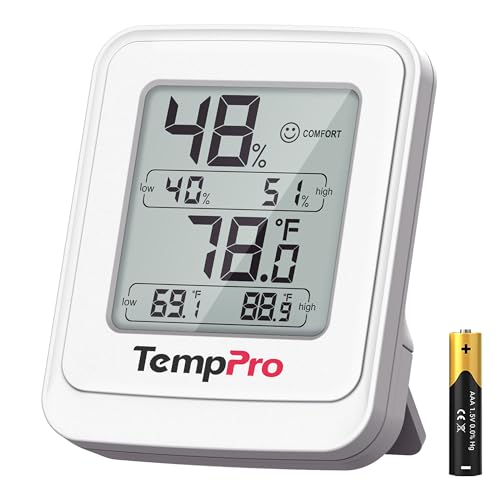
【Accuracy&High Humidity Resistance】This humidity sensor delivers precise readings with a temperature accuracy of ±1℉ and humidity accuracy of ±2% RH; Specially IPX5 waterproof designed to perform reliably in high-humidity environments, making it a durable choice for greenhouses and grow tents

App Control:This bluetooth digital hygrometer helps you easily monitor temp and humidity changes from up to 260FT away (no obstructions); TempPro App does not require user registration to better protect your privacy
Soil Preparation for Carrots
When it comes to growing carrots in a greenhouse, soil preparation is key. Here’s how you can ensure your carrot plants have the best growing medium possible:
- Optimal Soil Type: Choose a well-draining, loose soil for your carrots to thrive. Sandy loam or loamy soils are great choices.
- Soil pH: Aim for a pH level between 6.0 and 6.8 for ideal carrot growth.** Test your soil’s pH and adjust as needed using organic materials like compost or peat moss.
- Deep Soil: Carrots need deep soil to develop long, straight roots. Loosen the soil to at least 12 inches deep to allow room for root growth.
- Organic Matter: Incorporate plenty of compost or well-rotted manure into the soil. This will provide essential nutrients for the carrots.
- Avoid Fresh Manure: Do not use fresh manure in your soil mix as it can cause carrots to fork or develop an unpleasant taste.
- Mulching: Consider mulching your carrot bed to help retain moisture and regulate soil temperature. Straw or grass clippings are good options.
- Weeding: Regularly remove weeds from your carrot bed to prevent competition for nutrients and ensure healthy carrot growth.
Remember, healthy soil is the foundation for successful carrot growth in your greenhouse.
Recommended Products

Quick, at home results for Soil pH, Nitrogen, Phosphorous and Potash Innovative and inexpensive soil test kit features an easy-to-use capsule system and patented color comparators

Kindly NOTE: This soil tester can not be applied to test pH value of any other liquid. If the soil is too dry the indicator will not move, and water it before testing.

Scientific maintenance: The 7 in one soil testing kit is more suitable for beginners, and can help you comprehensively understand the soil conditions of gardens and lawns, solving your confusion. You can adjust soil moisture and pH according to the values, and you can also clearly see the air temperature and humidity as well as soil temperature through the LCD display to improve plant growing conditions in time and scientifically nurture seedlings to help you make your plants flourish
Planting and Caring for Carrot Seedlings
Planting carrot seedlings is an exciting step in your greenhouse journey. Here’s how to ensure success:
Preparing the Soil:
- Choose loose, well-draining soil.
- Ensure the pH level is between 6.0-6.8 for optimal growth.
Sowing Seeds:
- Sow seeds thinly to avoid overcrowding.
- Plant seeds about 1/4 inch deep in rows.
Watering:
- Keep the soil consistently moist but not waterlogged.
- Use a fine mister to avoid displacing seeds.
Thinning:
- Once seedlings are 2 inches tall, thin them to about 1-2 inches apart.
Fertilizing:
- Avoid over-fertilizing, as carrots can fork in rich soil.
- Side-dress with compost mid-season for a nutrient boost.
Weeding:
- Regularly weed around seedlings to prevent competition for nutrients.
Pest Control:
- Keep an eye out for pests like carrot rust flies or aphids.
- Consider companion planting with onions or leeks to deter pests.
- Harvest carrots when they reach a desirable size, usually around 1 inch in diameter.
- Gently loosen the soil before pulling them out to avoid damage.
Remember, caring for your carrot seedlings with attention to detail will yield a bountiful harvest of delicious, home-grown carrots. Happy gardening!
Pest Management and Disease Control
- Monitor regularly: Check your plants for any signs of pests or diseases.
- Natural predators: Encourage beneficial insects like ladybugs and lacewings to control pests.
- Neem oil: Use neem oil as a natural pesticide for common carrot pests like aphids.
- Crop rotation: Rotate your crops yearly to reduce the risk of diseases building up in the soil.
- Good hygiene: Clean and sanitize your tools to prevent the spread of diseases.
| Fact | Data |
|---|---|
| Neem oil usage | 1-2 tbsp diluted in water |
| Crop rotation | Change yearly |
Recommended Products

Protect your oasis with 3 garden products in 1 from Captain Jack’s; Bonide Captain Jack’s Ready-to-Use Neem Oil spray for plants is a multi-purpose fungicide, insecticide and miticide for your lawn & garden

FUNGAL DISEASE CONTROL: Prevents and controls black spot on roses, powdery mildew, rust, downy mildew, and other listed fungal diseases when applied on a 7–14 day schedule

Gentle Plant Wash Made with Neem Oil & Peppermint Oil
Conclusion
You now have the tools to successfully grow carrots in your greenhouse. Remember to keep a close eye on your plants, invite helpful predators, like ladybugs, to the party, and use neem oil to combat common pests. Don’t forget to rotate your crops annually to keep diseases at bay. By following these tips, you’ll be on your way to a bountiful carrot harvest. Happy gardening!
Frequently Asked Questions
What are some key points to remember for pest management and disease control for carrot seedlings in a greenhouse?
Regularly monitor plants for pests and diseases, introduce natural predators like ladybugs, use neem oil as a natural pesticide, rotate crops annually, and maintain tool hygiene to prevent disease spread.
How can neem oil help with pest control for common carrot pests in a greenhouse?
Neem oil acts as a natural pesticide for common carrot pests by disrupting their growth cycle and deterring them from feeding on carrot seedlings.
Why is it important to rotate crops yearly in a greenhouse setting for disease control in carrot seedlings?
Crop rotation reduces disease risks by disrupting the buildup of pathogens specific to certain plant species in the soil, promoting soil health, and preventing disease recurrence.
