

Ever wondered why your garden’s carrots seem to be a magnet for pests? Picture this: you’ve lovingly tended to your carrot patch, only to find it overrun by unwanted visitors. Fret not, as we’re here to shed light on why this happens and, more importantly, how you can keep those pesky pests at bay.
Understanding why Carrots Attract Pests
Have you ever wondered why carrots seem to be a magnet for pests in your garden? Let’s delve into the reasons behind this common issue.
Carrots, with their earthy sweetness, vibrant colors, and tender crunch, are not only a favorite for us but also for various pests. Here’s why they can’t seem to resist your carrot patch:
- Sweetness Attracts Pests: The natural sugars in carrots make them irresistible to many insects. Pests are drawn to the sweetness, making your carrots a prime target.
- Fragrant Leaves: The aromatic compounds released by the carrot leaves can also attract pests. These scents act as signals for insects to come and feed on your cherished carrots.
- Moisture Content: Carrots have a high water content, providing a desirable environment for pests to thrive. The moisture in the soil and the carrots themselves can be particularly appealing to pests seeking hydration.
To protect your precious carrot crop, it’s crucial to understand why pests are so attracted to them in the first place. By knowing what draws these unwanted visitors, you can take proactive steps to prevent infestations and safeguard your carrot patch.
Common Pests that Target Carrots
When it comes to your carrot patch, there are several pests that you should watch out for. Here are some of the most common culprits that are attracted to your carrots:
- Carrot Rust Fly
- Aphids
- Cutworms
- Wireworms
- Carrot Weevils
These pests are drawn to the sweetness and high moisture levels of your carrots. Understanding their behavior and life cycles can help you prevent infestations and protect your crop.
Recommended Products

3-IN-1 GARDEN CARE SPRAY - Earth’s Ally 3-in-1 Plant Spray is a ready-to-use botanical oil spray designed for indoor and outdoor plant care. The houseplant pest spray effectively kills and controls soft-bodied insects and common plant diseases with a synergistic blend of essential oils.

NATURAL PEPPERMINT & CEDAR OIL FORMULA: Made with essential oils for households looking for a plant-based alternative to conventional bug sprays

Advanced Ultrasonic Deer Repellent for Plants: Protect your expensive plants and pristine landscaping with our professional-grade ultrasonic deer repeller. Specifically engineered to stop garden damage, this device uses variable 13–45kHz ultrasonic frequencies and piercing LED strobes to create a "no-go zone." Safely deter hungry wildlife from your flowerbeds, hostas, and fruit trees without the need for foul-smelling chemical sprays or messy physical fences.
Signs of Pest Infestation in Carrot Plants
When checking your carrot plants, keep an eye out for these signs that indicate a pest infestation:
- Wilting leaves despite sufficient watering.
- Yellowing or browning of carrot foliage.
- Holes or tunnels in the roots or leaves.
- Stunted growth or deformed carrots.
- Presence of pests such as tiny flies, aphids, or larvae.
To prevent infestations, monitor your carrot patch regularly and take action at the first sign of trouble.
Natural Ways to Prevent Pest Infestation in Carrots
When it comes to safeguarding your carrot patch from pesky intruders, there are effective natural methods you can implement without harsh chemicals. Here are some strategies that can help protect your carrots and keep those pests at bay:
- Crop Rotation: Try rotating your carrot crop with plants that repel pests, like onions or marigolds.
- Companion Planting: Consider planting dill or sage near your carrots to deter pests.
- Mulching: Add a layer of mulch around your plants to reduce moisture and make it harder for pests to access your carrots.
- Regular Inspections: Keep a watchful eye on your carrot patch, looking out for any signs of infestation.
- Handpicking: If you spot any pests early on, remove them by hand to prevent further damage.
- Organic Sprays: Utilize natural sprays like neem oil or garlic spray to protect your carrots.
| Beneficial Method | Description |
|---|---|
| Crop Rotation | Alternating carrot crops with pest-repelling plants |
| Companion Planting | Planting dill or sage near carrots to deter pests |
| Mulching | Applying mulch to reduce moisture around carrot plants |
| Regular Inspections | Keeping an eye out for signs of pest infestation |
| Handpicking | Removing pests by hand when detected |
| Organic Sprays | Using natural sprays like neem oil to protect carrots |
Recommended Products
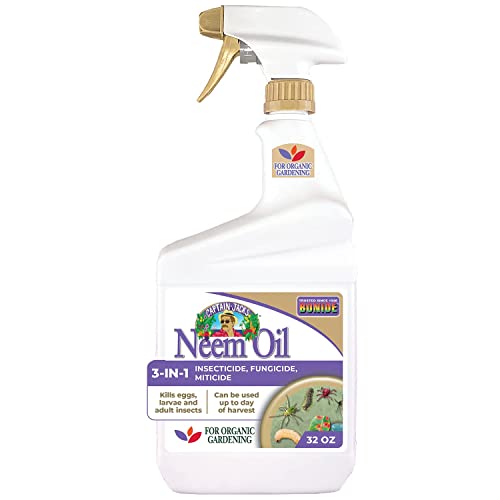
Protect your oasis with 3 garden products in 1 from Captain Jack’s; Bonide Captain Jack’s Ready-to-Use Neem Oil spray for plants is a multi-purpose fungicide, insecticide and miticide for your lawn & garden

Protect your oasis with Captain Jack’s Neem Max Ready-to-Use Spray; this multipurpose product acts as a 4-in-1 insecticide, fungicide, miticide and nematicide

Protect your oasis with Captain Jack’s Neem Max Ready-to-Use Spray; this multipurpose product acts as a 4-in-1 insecticide, fungicide, miticide and nematicide
Conclusion
By implementing natural pest prevention methods in your carrot patch, you can safeguard your crops without resorting to harsh chemicals. Strategies like crop rotation, companion planting, mulching, regular inspections, handpicking pests, and using organic sprays offer effective ways to protect your carrots from common pests. Remember, a healthy garden ecosystem is key to keeping unwanted visitors at bay. Happy gardening!
Frequently Asked Questions
Can crop rotation help prevent pest infestation in carrot patches?
Yes, crop rotation can help prevent pest infestation in carrot patches. By planting pest-repelling plants like marigolds in between carrot rows, you can deter pests naturally.
How does companion planting with herbs like dill or sage benefit carrot patches?
Companion planting with herbs like dill or sage can benefit carrot patches by repelling pests that are harmful to carrots. These herbs act as natural deterrents.
Why is mulching important in preventing pest infestation in carrot patches?
Mulching is important in preventing pest infestation in carrot patches because it helps reduce moisture levels, making the environment less favorable for pests.
What is the significance of regular inspections for signs of pest infestation in carrot patches?
Regular inspections are essential for detecting early signs of pest infestation in carrot patches, allowing for timely intervention to prevent widespread damage to the crops.
How can handpicking pests early on help in protecting carrot patches?
Handpicking pests early on can help protect carrot patches by reducing pest populations before they can cause significant damage to the crops.
What role does organic sprays like neem oil play in preventing pest infestation in carrot patches?
Organic sprays like neem oil can be used to effectively control pests in carrot patches without harmful chemicals, providing a natural alternative to deter pests.
