

Ever wondered how to keep your carrot crops healthy and thriving season after season? Picture this: you plant your carrots in the same spot every year, only to be met with disappointing yields and pest problems. Frustrating, right? But what if there was a simple solution right at your fingertips? That’s where crop rotation comes in!
Importance of Crop Rotation
Crop rotation with carrots is essential for maintaining soil health and preventing nutrient depletion. By rotating your carrot crops with other plants, you can reduce the risk of pest infestations and diseases, improve soil structure, and enhance overall crop yield.
Here are some key reasons why crop rotation is crucial for successful carrot cultivation:
- Prevents soil fatigue: Rotating crops helps avoid depleting the soil of specific nutrients required by carrots, leading to healthier and more robust plants.
- Controls pests and diseases: Alternating crops disrupts the life cycles of pests and pathogens that target carrots, reducing the need for chemical pesticides.
- Enhances soil fertility: Different plants have unique nutrient needs, and rotating crops ensures a balanced nutrient profile in the soil, promoting better plant growth.
- Reduces weed pressure: Changing the type of crops in a specific area can inhibit the growth of weeds that thrive on continuous monoculture planting.
By implementing a strategic crop rotation plan in your garden or farm, you’ll create a sustainable and productive ecosystem that supports the long-term success of your carrot crops.
Benefits of Using Crop Rotation for Carrots
When it comes to cultivating carrots, implementing a strategic crop rotation plan offers numerous benefits:
- Preventing soil fatigue: Rotating crops helps maintain soil health and prevents nutrient depletion.
- Controlling pests and diseases: By alternating crops, you can disrupt pest cycles and reduce the risk of diseases affecting your carrot crop.
- Enhancing soil fertility: Crop rotation can improve soil structure, promote beneficial microbial activity, and boost overall soil health.
- Reducing weed pressure: Rotating crops can help suppress weed growth and minimize the need for herbicides.
- Improving overall crop yield: By implementing an effective crop rotation strategy, you can increase carrot yield over time.
Remember, when it comes to cultivating healthy and thriving carrot crops, integrating crop rotation into your farming practices can make a significant difference in the long run.
How to Plan Your Crop Rotation Schedule
To effectively plan your crop rotation schedule, consider the following steps:
- Understand the Basics: Start by familiarizing yourself with the concept of crop rotation and its benefits for carrot cultivation.
- Assess Your Current Situation: Evaluate the type of soil, climate conditions, and existing crops on your farm to determine the best rotation plan.
- Rotate Different Plant Families: Alternate carrot crops with plants from different families to reduce pest and disease buildup.
- Consider Cover Crops: Integrate cover crops like legumes or grasses into your rotation to improve soil structure and fertility.
- Implement a Multi-Year Plan: Develop a multi-year rotation schedule to ensure long-term soil health and maximum crop productivity.
- Consult Local Resources: Seek advice from agricultural extension services or local experts to tailor your rotation plan to your specific region.
By following these steps, you can create a well-structured crop rotation schedule that supports successful carrot cultivation.
Best Crops to Rotate with Carrots
When deciding on the best crops to rotate with carrots, consider plant families that have different nutrient needs. Here are some ideal crops to rotate with carrots:
- Legumes: Legumes like beans or peas fix nitrogen into the soil, benefiting the following carrot crop.
- Brassicas: Crops like broccoli or cabbage help reduce soil pests that might affect carrots.
- Alliums: Onions and garlic can deter carrot pests while also adding nutrients back into the soil.
- Solanaeae: Vegetables like tomatoes or peppers can help break disease cycles in the soil for carrots.
Follow this guide to diversify your crop rotation and optimize soil health for successful carrot cultivation.
Recommended Products

Master Nursery Bumper Crop All Purpose 4-4-4 4lb
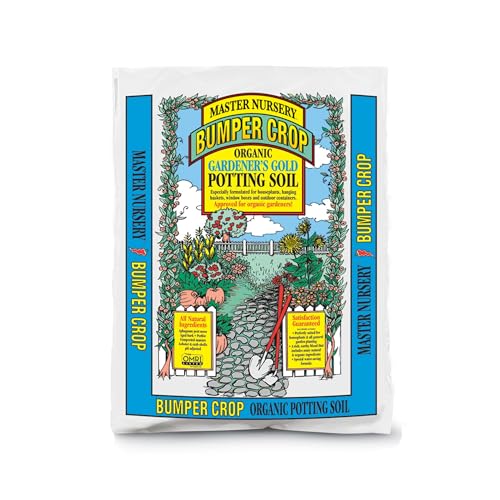
You will receive a 1-cubic foot bag of Gardener's Gold per purchase

Feed the soil not the plants - stimulate microbial activity in your soil and boost probability of success with all types of plants… like composting but faster
Implementing Crop Rotation Techniques for Carrots
To effectively implement crop rotation techniques for your carrots, plan your rotations strategically with the following steps:
- Rotate Families: Alternate planting carrots with legumes like beans or peas for nitrogen fixation.
- Introduce Brassicas: Incorporate brassicas such as broccoli or cabbage to reduce pest pressure in your carrot beds.
- Add Alliums: Include alliums like onions and garlic to deter pests and enrich the soil.
- Utilize Solanaeae Vegetables: Plant tomatoes or peppers from the Solanaeae family to help break disease cycles in the soil.
Remember, a well-thought-out crop rotation plan can optimize soil health and ensure the success of your carrot harvests.
Recommended Products

Effortless Carrot Curls: With dimensions of 6 x 2.25 x 2.5 inches, this carrot cutter and peeler is designed to make creating carrot curls a breeze. Crafted from durable ABS with a stainless steel blade, it ensures consistent and precise results every time

Embrace the versatility of the Varomorus manual seeder, a true garden essential suitable for a wide array of vegetables. Whether you're dealing with oats, cucumbers, tomatoes, beets, onions, radishes, carrots, greens, or lettuce, this tool is ready to meet all your planting needs. Perfect for use in both greenhouses and open ground, it ensures remarkable results with minimal effort.

🌱【Durable And Sturdy Material】 - FLORA GUARD Dibber is made of thickened high quality durable stainless steel pointy spike, which can easily pierce the ground and punch deep holes, and will not bend even when encountering hard obstacles. When planting tiny seedlings or flower bulbs in the ground, it is very important to do so at the proper depth. This bulb planting tool are great for quick and easy seeding or bulbing.
Conclusion
You’ve learned about the importance of crop rotation for growing healthy carrots. By following the suggested steps, you can improve soil health, reduce pests, and increase your chances of a successful harvest. Remember to rotate families strategically and consider incorporating different types of vegetables to maximize the benefits of crop rotation. With careful planning and implementation, you’ll be on your way to enjoying bountiful carrot yields year after year. Happy gardening!
Frequently Asked Questions
How does crop rotation benefit carrot cultivation?
Crop rotation benefits carrot cultivation by improving soil health and reducing pest and disease pressure. Alternating carrot crops with different vegetable families helps prevent nutrient depletion, enhances soil structure, and promotes natural pest control, leading to better carrot yields.
Which vegetable families are recommended for crop rotation with carrots?
Recommended vegetable families for crop rotation with carrots include legumes for nitrogen fixation, brassicas for pest reduction, alliums for pest deterrence and soil enrichment, and Solanaceae vegetables to break disease cycles. Alternating these families strategically can optimize soil health and support successful carrot growth.
What are the key steps to implementing crop rotation for carrots?
Key steps to implementing crop rotation for carrots involve planning the rotation schedule, selecting compatible vegetable families, preparing the soil adequately, and following a systematic planting sequence. By following these steps, growers can ensure optimal soil health, reduce pest pressures, and achieve successful harvests of high-quality carrots.
