

Best Carrot Varieties for Texas
When it comes to growing carrots in Texas, choosing the right variety can make a big difference in your harvest. Here are some top carrot varieties that thrive in Texas’ climate:
- Texas Gold: Known for its vibrant orange color and sweet taste, Texas Gold carrots are a popular choice among Texas gardeners. They do well in the hotter Texas climate and produce uniform, cylindrical roots.
- Danvers 126: Danvers 126 carrots are excellent for Texas gardeners looking for a versatile variety. They are heat-tolerant and have a sweet flavor, making them a favorite for fresh eating or canning.
- Scarlet Nantes: If you prefer a juicy and tender carrot, Scarlet Nantes is a top pick for Texas gardens. This variety has a classic carrot flavor and grows well in Texas’ well-draining soil.
- Little Finger: Perfect for container gardening or small spaces, Little Finger carrots are a miniature variety that matures quickly. Their small size makes them great for snacking and adding to salads.
Choosing the Right Soil for Carrots
To grow healthy and tasty carrots in Texas, you must start with the right soil. Here’s how you can ensure your carrots thrive:
- Sandy loam soil is ideal as it prevents waterlogging and allows carrots to develop straight and uniform.
- Make sure the soil pH is between 6.0 and 6.8, slightly acidic to neutral, for optimal carrot growth.
- Loosen the soil to a depth of at least 12 inches to promote healthy root development and prevent stunted growth.
- Consider mixing in compost to improve soil structure and provide essential nutrients for your carrot plants.
Remember, the key to successful carrot cultivation in Texas lies in selecting the optimal soil type that caters to the needs of these root vegetables.
Recommended Products

Quick, at home results for Soil pH, Nitrogen, Phosphorous and Potash Innovative and inexpensive soil test kit features an easy-to-use capsule system and patented color comparators

Kindly NOTE: This soil tester can not be applied to test pH value of any other liquid. If the soil is too dry the indicator will not move, and water it before testing.

KNOW BEFORE YOU GROW | Grow the healthiest, sustainable lawn and garden with the most accurate and easy to use professional soil test kit on the market
Planting Carrots in Texas
To plant carrots successfully in Texas, follow these steps:
- Choose the Right Time:
Plant carrots in Texas in fall for a winter harvest or in early spring for a summer harvest. - Prepare the Soil:
Ensure the soil is well-draining by amending with organic matter like compost. - Sow the Seeds:
Plant carrot seeds 1/4 inch deep and 1 inch apart in rows. - Watering:
Keep the soil lightly moist, especially during germination. - Thin the Seedlings:
Once they have grown a few inches tall, thin the seedlings to allow for proper root development. - Sunlight and Temperature:
Carrots thrive in full sunlight and warm temperatures. - Pest Control:
Protect your carrots from pests like carrot flies by covering them with fine netting. - Harvesting:
Harvest carrots when they reach the desired size, typically around 60-75 days after planting. - Succession Planting:
For a continuous harvest, consider succession planting every few weeks.
Carrot Cultivation Tips
- Mulching around carrot plants can help retain moisture and suppress weeds.
- Avoid using fresh manure, as it can cause carrots to fork.
- Monitor for signs of disease and address promptly to prevent spread.
Watering and Fertilizing Carrots
Growing carrots in Texas requires proper watering and fertilizing to ensure healthy growth. Here are some essential tips to help you cultivate thriving carrot plants:
- Consistent Watering: Carrots need regular moisture to develop properly. Water deeply, ensuring the soil is moist but not waterlogged. Aim to keep the soil consistently damp throughout the growing season.
- Avoid Overwatering: Too much water can cause carrots to split or rot. Check the soil moisture regularly and adjust your watering schedule accordingly.
- Fertilize Sparingly: Carrots do not require heavy fertilization. Prior to planting, incorporate organic matter like compost into the soil. During growth, a light application of balanced fertilizer can help, but avoid excessive nitrogen, which can result in leafy tops at the expense of root development.
- Side-Dress if Necessary: If your carrot plants show signs of slow growth, you can side-dress with a low-nitrogen fertilizer mid-season to provide a nutrient boost.
- Mulch for Moisture: Applying a mulch around the base of the plants can help retain soil moisture, reduce weeds, and maintain a more consistent soil temperature.
- Keep a Schedule: Establish a watering and fertilizing routine based on your soil type, weather conditions, and the specific needs of your carrot variety.
| Important Data |
|---|
| Average Annual Rainfall in Texas: 34 inches |
| Ideal Soil pH for Carrots: 6.0-6.8 |
Remember, watering and fertilizing practices play a crucial role in the success of your carrot crop. By following these guidelines, you can ensure that your carrots receive the nutrients and hydration they need to thrive in your Texas garden.
Dealing with Pests and Diseases
Pests and diseases can pose significant challenges to your carrot crop. Here are some common issues you may encounter and how you can address them:
- Carrot Rust Fly: These pests can damage carrot roots. To prevent infestations, consider using floating row covers.
- Aphids: These tiny insects can suck sap from plants, causing damage. You can dislodge aphids with a strong blast of water or introduce natural predators like ladybugs.
- Leaf Blight: This fungal disease can affect carrot foliage. To prevent it, avoid overhead watering and ensure good air circulation around plants.
- Carrot Root Fly: Larvae of these flies can cause damage to carrot roots. Consider using physical barriers like fine mesh to protect your carrots.
- Powdery Mildew: A fungal disease that can affect carrot leaves. Remove and destroy infected plant parts to prevent its spread.
- Nematodes: These microscopic worms can attack carrot roots. Rotate crops and choose nematode-resistant carrot varieties to combat this issue.
By staying vigilant and taking prompt action when needed, you can minimize the impact of pests and diseases on your carrot crop. Remember to practice good garden hygiene and monitor your plants regularly for any signs of trouble.
Recommended Products

Comprehensive Winter Protection for Your Garden: Our outdoor plant covers provide complete freeze protection for strawberries, vegetables, tomatoes, fruit trees, citrus plants, shrubs, and potted plants throughout the winter. This frost cloth plant freeze protection shields delicate plants from sudden temperature drops, frost, and strong winds, ensuring they survive harsh winter conditions. Ideal for those looking for frost blankets for outdoor plants and reliable plant freeze protection covers.
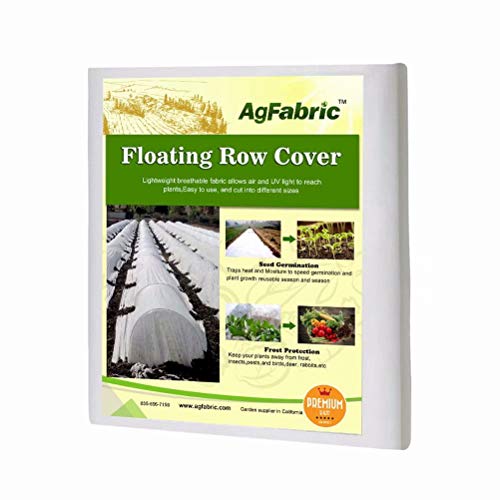
The plant row cover is made of 0.55 oz/sq non-woven polypropylene fabric which is lightweight breathable and durable. It allows air and moisture to reach your vegetables and flowers.
Light-weight FRCs(0.55oz./sq.yard):Perfect for barrier,have 85% light transmission,recommendof freeze protection and season extension,and can be left on many crops(e.g.,beets, snaps beans, salad greens)from seeding to harvest
Conclusion
That’s it! By staying proactive and implementing preventative measures, you can safeguard your carrot crops in Texas from common pests and diseases. Remember to keep an eye out for any signs of trouble, maintain a clean garden environment, and rotate your crops regularly. With these strategies in place, you’ll be well on your way to enjoying a bountiful harvest of fresh, homegrown carrots. Happy gardening!
Frequently Asked Questions
What are common pests and diseases that can affect carrot crops in Texas?
Carrot Rust Fly, Aphids, Leaf Blight, Carrot Root Fly, Powdery Mildew, and Nematodes are common issues that can affect carrot crops in Texas.
How can I prevent and control pests and diseases in my carrot crops?
Prevention and control measures include using floating row covers, introducing natural predators, avoiding overhead watering, using physical barriers, and practicing crop rotation.
What steps can I take to minimize the impact of pests and diseases on my carrot crops?
Maintain vigilance, practice good garden hygiene, and monitor plants regularly to minimize the impact of pests and diseases on your carrot crops.
