

Ever wondered why your carrots don’t seem to flourish as you hoped? Do you find yourself scratching your head, wondering if sunlight plays a crucial role in their growth? Picture this: eagerly planting your carrot seeds, only to be met with disappointing results. In this article, you’ll uncover the secrets behind carrot cultivation and the impact of sunlight on their development. You’ll learn just how vital sunlight is for your carrots to thrive, and by the end, you’ll be equipped with the knowledge to ensure your carrot patch is a flourishing success.
Understanding Carrot Growth Requirements
To ensure that your carrots flourish, adequate sunlight is crucial. Carrots are root vegetables that thrive with 6-8 hours of sun daily.
Here are some key points to consider for successful carrot growth:
- Full Sun: Carrots love full sun, so choose a sunny spot in your garden.
- Soil Quality: Plant carrots in well-draining soil to prevent rot.
- Watering: Keep the soil consistently moist but not waterlogged.
Carrot Varieties can also vary in their sunlight needs, so choose the right type for your garden.
Remember, proper sunlight exposure is a vital component in the growth of healthy, vibrant carrots.
| Important Facts | Data |
|---|---|
| Ideal Sunlight | 6-8 hours/day |
Importance of Sunlight for Carrots
To thrive, carrots require ample sunlight. Here’s why:
- Photosynthesis: Sunlight is essential for plants to make their food.
- Optimal Growth: Carrots need about 6-8 hours of sunlight daily to grow well.
- Carrot Quality: Insufficient sunlight can lead to stunted or misshapen carrots.
Tips for Sunlight Exposure:
- Placement: Select a sunny spot in your garden for planting carrots.
- Monitor: Ensure your carrots receive enough sunlight each day.
- Variety: Choose carrot types that match your sunlight availability.
Providing Adequate Sunlight
When growing carrots:
- Morning Sun: Ideal for carrots as it helps prevent them from overheating.
- Avoid Shade: Keep carrots away from shade-producing plants or structures.
- Consistency: Maintain a consistent sunlight routine for healthy growth.
Maximizing Sunlight Benefits
- Proper Spacing: Avoid overcrowding to ensure all carrots get sufficient light.
- Regular Care: Monitor and adjust sunlight exposure as needed for optimal growth.
| Carrots need 6-8 hours of sunlight daily. |
|---|
Recommended Products
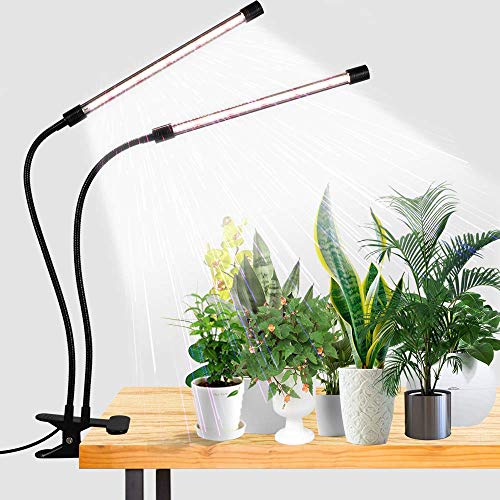
6000K White Light - equipped with 10 Red + 74 White LEDs, this growing Lamp is similar to the full-spectrum sunlight at noon,that is professionally designed for indoor garden plants.Moreover, its color rendering index is as high as 95, the light is soft and flicker-free, which is very suitable for reading lamp

Full Spectrum LED with Yellow and White Combination: Bseah led grow light can promote photosynthesis, germination, growth, flowering and fruiting of plants.

【Upgraded Full Spectrum】Eqqiuped with 5 Red+37 Sunlight White LEDs in each bar, which is similar to the sunlight at noon to meet the needs of various plant growth processes. 6000K LED grow light with high efficiency and high PPFD, providing flicker-free and soft light.
Optimal Sunlight Conditions for Carrot Cultivation
- Carrots thrive in full sunlight receiving 6-8 hours daily.
- Direct sunlight helps promote growth and sweetness in carrots.
- Morning sun is particularly beneficial, providing gentle warmth for growth.
- Ensure consistent sunlight exposure by monitoring shading from nearby structures or plants.
- Proper spacing between carrot plants allows each to receive ample sunlight.
- Regular care and maintenance under the right sunlight conditions will boost carrot growth.
| Key Point | Information |
|---|---|
| Recommended sunlight hours | 6-8 hours daily |
| Impact of direct sunlight | Promotes growth and sweetness |
| Benefit of morning sun | Provides gentle warmth |
| Consistent exposure | Monitor shading |
| Spacing between plants | Ensure ample sunlight |
| Importance of care | Boosts growth |
Signs of Sunlight Deficiency in Carrot Plants
- Stunted Growth: Carrot plants lacking adequate sunlight may exhibit slow or stunted growth, resulting in smaller and thinner carrots.
- Yellowing Leaves: Yellowing or pale green leaves can be a sign of insufficient sunlight reaching the carrot plants, affecting their ability to photosynthesize effectively.
- Long, Slender Carrots: Carrots grown in shaded areas tend to develop long and slender roots, often becoming forked or misshapen due to the inadequate sunlight for proper development.
- Increased Susceptibility to Pests and Diseases: Carrot plants deprived of ample sunlight are more vulnerable to pest infestations and diseases, compromising their overall health and yield potential.
| Key Fact | Value |
|---|---|
| Optimal Sunlight | 6-8 hours daily |
| Impact on Carrots | Stunted growth, long roots, yellowing leaves |
Tips for Maximizing Sunlight Exposure
To ensure your carrot plants thrive in optimal conditions, follow these practical tips for maximizing their sunlight exposure:
- Choose the Right Location: Plant your carrot bed in a spot that receives full sun for at least 6-8 hours a day.
- Monitor for Shade: Regularly check for any new structures or plants that may cast shadows on your carrot patch and adjust accordingly.
- Utilize Reflective Surfaces: Place light-colored objects like white stones or reflective mulch around your plants to bounce sunlight back onto them.
- Consider Planting Closer: Grow your carrots in tighter rows so they provide some shade for one another but are still able to receive ample sunlight.
- Rotate Your Crop: If your garden has limited sunny spots, rotate your carrot crop to different locations each year to ensure all plants have a chance to soak up direct sunlight.
- Use Season Extenders: In cooler climates or during shorter days, consider using row covers or cloches to extend the amount of sunlight your carrots receive.
Conclusion
You’ve learned valuable strategies to help your carrot plants thrive in optimal sunlight conditions. By following these tips, you can provide your carrots with the necessary sunlight exposure for successful growth and bountiful harvests. Remember to choose a sunny location, monitor for shade, use reflective surfaces, plant carrots strategically, rotate crops, and consider season extenders in cooler climates. Implementing these practices will support your carrot plants in maximizing their photosynthesis and reaching their full potential. Happy gardening!
Frequently Asked Questions
Can I grow carrots in shaded areas?
Carrot plants require 6-8 hours of sun daily. Shaded areas can hinder their growth and yield. Monitor for shade and choose a location with ample sunlight for optimal results.
How can I maximize sunlight exposure for my carrot plants?
Choose a sunny location, use reflective surfaces like white stones to increase light intensity, plant carrots closer together for mutual shading, rotate crops to ensure sunlight exposure, and use season extenders like row covers in cooler climates for optimal growth.
