

Ever wondered what it takes to nurture a thriving tomato plant in your garden? Picture this: you’ve diligently planted your tomato seeds, eagerly waiting for them to flourish into juicy red fruits. But wait, are you providing the essential nutrients they need to reach their full potential? In this article, we’ll explore the key nutrients required for robust tomato plants.
You might find yourself facing yellowing leaves or stunted growth in your tomato plants, signaling a deficiency in vital elements. Understanding the specific nutrients tomatoes crave can be the game-changer in your gardening journey. By grasping these essentials, you’ll be equipped to foster healthy plants and bountiful harvests.
Key Takeaways
- Tomato plants require essential macronutrients such as nitrogen, phosphorus, and potassium for robust growth and fruit production.
- Micronutrients like iron, zinc, and boron are crucial for maintaining overall plant health and disease resistance.
- Proper nutrient balance is key to promoting vigorous growth, abundant flowering, and a bountiful harvest in tomato plants.
- Identifying signs of macronutrient deficiencies (nitrogen, phosphorus, potassium) like yellowing leaves or stunted growth is vital for timely corrective actions.
- Recognizing symptoms of micronutrient deficiencies (iron, zinc, boron) such as interveinal chlorosis or abnormal flower development helps in addressing nutrient needs promptly.
- Soil testing, choosing between organic and synthetic fertilizers, and following best practices in nutrient management are essential for meeting tomato plants’ nutritional requirements effectively.
Key Nutrients Required by Tomato Plants
When it comes to nurturing your tomato plants for optimal growth, understanding the key nutrients they require is essential. By ensuring your plants receive the right balance of macronutrients and micronutrients, you can promote robust plant development and a fruitful harvest.
Essential Macronutrients
Tomato plants, like all plants, rely on three primary macronutrients in substantial amounts to thrive:
- Nitrogen: It’s crucial for leafy green growth in tomato plants. Without sufficient nitrogen, you may notice yellowing leaves or overall stunted growth.
- Phosphorus: This nutrient supports strong root development and improves fruit production. Adequate phosphorus levels are vital for healthy tomatoes.
- Potassium: Essential for overall plant health, potassium aids in disease resistance and enhances fruit quality. It also plays a role in regulating water usage within the plant.
Ensure your tomato plants receive a balanced fertilizer containing these essential macronutrients to support their growth throughout the season.
Crucial Micronutrients
In addition to macronutrients, tomato plants also require specific micronutrients in smaller quantities to maintain optimal health:
- Iron: Important for chlorophyll production and overall plant vigor.
- Zinc: Facilitates enzyme activity crucial for various metabolic processes within the plant.
- Boron: Aids in cell wall formation and influences flower retention and fruit set.
While needed in smaller amounts compared to macronutrients, micronutrients are equally vital for sustaining healthy tomato plants. Consider using a balanced fertilizer that includes these essential micronutrients to ensure comprehensive nutritional support for your tomatoes’ well-being.
The Role of Nutrients in Tomato Plant Health
Proper nutrition is vital for the health and productivity of your tomato plants. Understanding the impact of nutrients on growth and disease resistance is key to cultivating thriving tomatoes in your garden.
Impact on Growth and Yield
Nutrients play a crucial role in the growth and yield of tomato plants. For instance, nitrogen promotes leafy green growth, phosphorus supports root development, and potassium aids in fruit production. By providing these essential nutrients in balanced amounts, you ensure that your tomato plants grow vigorously, flower abundantly, and produce a bountiful harvest.
Influence on Disease Resistance
In addition to promoting growth, a well-balanced nutrient supply enhances the disease resistance of tomato plants. Micronutrients like iron, zinc, and boron are essential for building plant immunity against common diseases such as blight or powdery mildew. By maintaining optimal nutrient levels, you can help your tomato plants fend off infections and stay healthy throughout their growth cycle.
How to Identify Nutrient Deficiencies
When caring for your tomato plants, it’s crucial to be able to recognize signs of nutrient deficiencies early on. By being observant, you can address any issues promptly and ensure your plants thrive. Here’s how you can identify deficiencies in both macronutrients and micronutrients:
Recommended Products
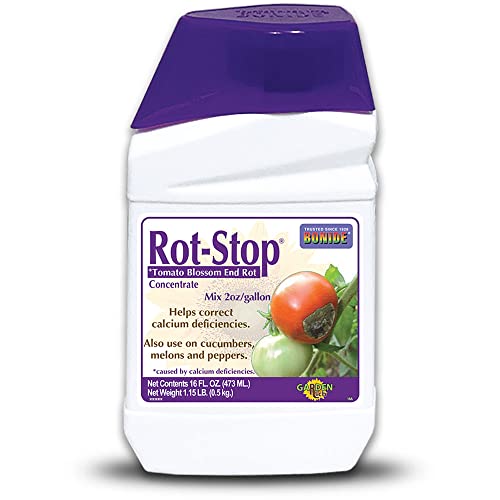
CORRECTS CALCIUM DEFICIENCY - Our garden fertilizer is used to control blossom end rot on tomatoes by adding calcium to the plant.

Contains natural ingredients to feed microbes in the soil

For more nutritious and tasty vegetables
Signs of Macronutrient Deficiencies
- Nitrogen Deficiency: Look out for overall yellowing of older leaves while the veins remain green. This lack of nitrogen can lead to stunted growth.
- Phosphorus Deficiency: Watch for dark green or purple leaves with a purplish tint on stems and leaf undersides. This deficiency may cause delayed maturity.
- Potassium Deficiency: Check for yellowing leaf margins or interveinal chlorosis, where the tissue between the veins turns yellow while the veins stay green.
- Iron Deficiency: Keep an eye out for young leaves turning yellow while the veins remain green, known as interveinal chlorosis.
- Zinc Deficiency: Look for small, distorted new leaves with a mottled appearance or shortened internodes (the space between leaves along the stem).
- Boron Deficiency: Notice stunted growth, hollow fruit, or abnormal flower development as these are common indicators of boron deficiency in tomato plants.
Being able to spot these signs early will help you take corrective action promptly, ensuring your tomato plants receive the necessary nutrients for healthy growth and abundant harvests.
Best Practices for Nutrient Management
To ensure your tomato plants thrive, follow these best practices for effective nutrient management:
Recommended Products
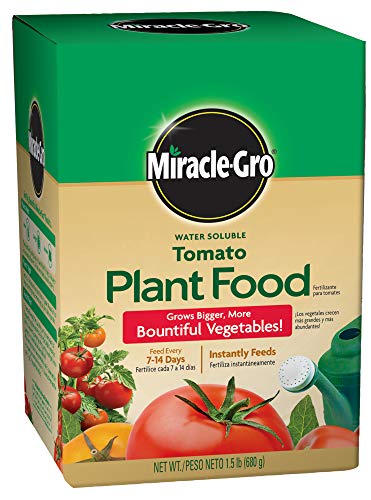
Instantly feeds to grow bigger, more bountiful vegetables versus. unfed plants

Made for AeroGarden Systems – Formulated to support plant growth in AeroGarden and similar units.

SUNDAY IS OFFICIALLY ON AMAZON: Sunday known premium lawn care, is now available on Amazon! Say goodbye to harsh chemicals and hello to a healthier, greener lawn with Sunday.
Soil Testing and Fertilization
Testing your soil is crucial to determine its nutrient content and pH levels. You can get DIY soil test kits or send samples to a lab for detailed analysis. Based on the results, adjust the soil’s pH and provide fertilizers tailored to your plant’s needs.
Organic vs. Synthetic Fertilizers
When choosing fertilizers, consider whether to use organic or synthetic options. Organic fertilizers are derived from natural sources like compost or manure, promoting long-term soil health. In contrast, synthetic fertilizers offer precise nutrient concentrations but may lead to chemical buildup in the soil over time. Select the type that aligns with your gardening philosophy and goals.
By implementing these practices, you’ll be better equipped to meet your tomato plants’ nutrient requirements and foster optimal growth and productivity.
Conclusion
Ensuring your tomato plants receive the right balance of essential nutrients is key to their overall health and productivity. By providing a fertilizer rich in both macronutrients like nitrogen, phosphorus, and potassium, as well as micronutrients such as iron, zinc, and boron, you can support robust growth and disease resistance. Recognizing and addressing nutrient deficiencies early on is crucial for maintaining thriving plants and maximizing harvest yields. Remember to implement proper nutrient management practices like soil testing, pH adjustment, and selecting fertilizers that align with your gardening preferences. By following these guidelines, you’ll set your tomato plants up for success and enjoy a successful growing season filled with delicious fruits straight from your garden.
Frequently Asked Questions
What are the essential macronutrients for tomato plants?
Tomato plants require three primary macronutrients: nitrogen, phosphorus, and potassium. These nutrients are crucial for overall plant growth, flowering, and fruit development.
Why is it important to provide micronutrients to tomato plants?
Micronutrients like iron, zinc, and boron are vital for enhancing disease resistance in tomato plants. They help protect against common infections such as blight and powdery mildew.
How can I identify nutrient deficiencies in my tomato plants?
Look out for signs of yellowing leaves or stunted growth, which could indicate macronutrient deficiencies (nitrogen, phosphorus, potassium) or micronutrient deficiencies (iron, zinc, boron).
What practices can improve nutrient management for tomato plants?
Conduct soil testing to determine nutrient levels and pH balance. Adjust soil pH if necessary and choose between organic or synthetic fertilizers based on your gardening preferences and goals.
