

Are you struggling to get your tomato plants to thrive? Picture this: you’ve planted your tomatoes with care, but they seem to be lacking that vibrant, juicy goodness you were hoping for. What if the secret to plump, flavorful tomatoes lies in the very soil they’re planted in?
In this article, we’ll explore the essential ingredients needed to create nutrient-rich soil that will have your tomato plants thanking you with bountiful harvests. By understanding what components are crucial for optimal growth, you’ll be equipped with the knowledge to give your tomatoes the best possible start.
Ready to unlock the potential of your tomato garden? Let’s dig into the world of soil amendments and discover how a few simple additions can make all the difference in cultivating robust and delicious tomatoes.
Key Takeaways
- Maintain Ideal Soil pH: Tomatoes thrive in slightly acidic soil with a pH range between 6.0 and 6.8 for optimal growth and nutrient availability.
- Incorporate Organic Matter: Adding compost enriches the soil with nutrients, improves structure, and fosters microbial activity beneficial for tomato plants.
- Choose Fertilizers Wisely: Select fertilizers based on plant needs; synthetic for precise nutrient supply or organic for long-term soil health benefits.
- Adjust Soil pH Carefully: Balance soil pH using methods like sulfur or lime to create an ideal environment for healthy tomato growth.
- Implement Mulching Techniques: Utilize organic mulch to retain moisture, suppress weeds, regulate temperature, and enhance soil health for thriving tomato plants.
Essential Soil Requirements for Tomatoes
To ensure your tomato plants thrive, it’s crucial to meet their specific soil requirements. Let’s explore the essential factors that contribute to optimal soil conditions for a successful tomato harvest.
Recommended Products

Kindly NOTE: This soil tester can not be applied to test pH value of any other liquid. If the soil is too dry the indicator will not move, and water it before testing.

3-in-1 Soil Tester: This meter can test soil moisture, light and pH value; You can switch modes with one button; It makes gardening and plantng more efficient

✅ 1Dial & 1 LCD Screen - Replace/install all 3 batteries each time. Put button to %RH/°F to - Turn On, and put to LIGHT to - Turn Off. Read the LCD results in 3-5 mins. (Not Water Moisture Meter, so, please don't test liquid)
Ideal Soil pH Levels
Maintaining the correct soil pH is vital for healthy tomato plants. Tomatoes prefer slightly acidic soil with a pH range between 6.0 and 6.8. When the pH strays too far from this range, nutrient availability can be affected, impacting plant growth and fruit development.
Soil Texture and Structure
The texture and structure of your soil play a significant role in the overall health of your tomato plants. Tomatoes thrive in well-draining loamy soil that provides good aeration to the roots. Sandy soils drain quickly but may require more frequent watering, while clay soils retain moisture but can become waterlogged easily. Aim for a balance by adding organic matter like compost to improve soil structure and promote root health.
By ensuring your soil meets these essential requirements, you’ll create an ideal environment for your tomato plants to flourish and yield delicious fruits.
Adding Organic Matter
To enhance your soil for optimal tomato growth, incorporating organic matter is essential. Organic matter enriches the soil with nutrients and improves its structure, benefiting your tomato plants significantly.
Recommended Products
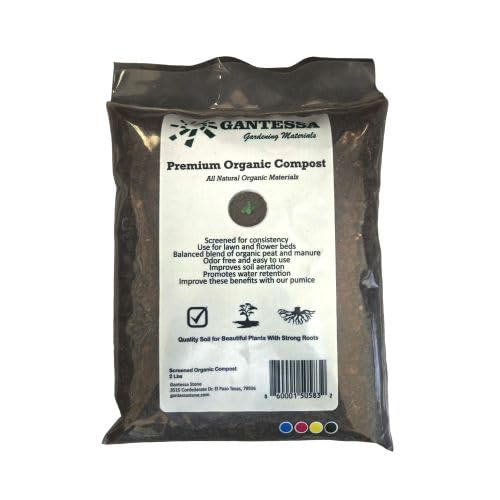
Manure Compost

NUTRIENT-RICH GROWTH: Premium cow manure compost packed with nitrogen, calcium, and iron. This organic compost fertilizer enriches soil, boosts microbial life, and supports bigger vegetables, greener lawns, and thriving flowers.

CONTAINS - Dehydrated cow manure with aged forest produts that help improve poor soil conditions and promote better plant growth
Compost Benefits
Compost is a valuable organic material that provides numerous benefits to your tomato plants:
- Nutrient-Rich Soil: Compost adds essential nutrients like nitrogen, phosphorus, and potassium to the soil, promoting healthy plant growth.
- Improved Soil Structure: It enhances soil texture, making it well-draining and allowing roots to access water and nutrients more efficiently.
- Microbial Activity: Compost fosters beneficial microbial activity in the soil, aiding in nutrient breakdown and uptake by plants.
- Sustainable Practice: Using compost recycles organic waste into a valuable resource for your garden while reducing landfill waste.
- Well-Aged Manure: Opt for well-aged manure to prevent burning delicate roots of young tomato plants due to excessive nitrogen levels.
- Balanced Nutrients: Ensure the manure has a balanced nutrient composition suitable for tomatoes’ needs without overwhelming them with certain elements.
- Avoid Fresh Manure: Refrain from using fresh manure as it can contain harmful pathogens that may affect plant health and food safety.
- Incorporate Moderately: Apply manure in moderation to prevent nutrient imbalances or over-fertilization that can harm your tomato plants.
Fertilizers for Tomato Growth
When it comes to fertilizing your tomato plants, choosing the right type of fertilizer is crucial for their growth and productivity. Here’s what you need to know about selecting the best fertilizers for your tomatoes:
Recommended Products

2X MORE VALUE: With a bigger-sized bottle, 16 oz of our Cal Mag Fertilizer can be mixed with 96 gallons of water, 32 oz with 192 gallons & 1 gallon with 768 gallons of water for a standard feed rate.

FOR USE ON: Use Tomato-tone organic fertilizer for all types of tomatoes; both heirloom and hybrid. It Produces plump, abundant tomatoes, not unwanted foliage. Can also be used on all vegetables.

THRIVE WITH KEY NUTRIENTS: This cal-mag for plants provides a vital supplement to combat calcium and magnesium deficiencies. Ensure your plants have the nutrients they need help prevent blossom end rot and tip burn
Synthetic vs. Organic Fertilizers
For tomato plants, both synthetic and organic fertilizers have their pros and cons. Synthetic fertilizers are manufactured with specific nutrient concentrations, ensuring a precise nutrient supply to the plants. On the other hand, organic fertilizers are derived from natural sources like compost, manure, or bone meal, providing a slow-release of nutrients that benefit soil health in the long run.
Essential Nutrients for Tomatoes
Tomatoes require several key nutrients to thrive and produce healthy fruits. The primary nutrients needed by tomato plants are nitrogen (N), phosphorus (P), and potassium (K). Nitrogen promotes leafy growth, phosphorus supports root development and fruit formation, while potassium enhances overall plant vigor and disease resistance.
In addition to these primary nutrients, tomatoes also benefit from secondary nutrients such as calcium (Ca) for preventing disorders like blossom end rot and magnesium (Mg) for chlorophyll production. Micronutrients like iron (Fe), manganese (Mn), zinc (Zn), copper (Cu), boron (B), molybdenum (Mo), and chlorine (Cl) are essential in smaller quantities but play significant roles in various metabolic processes within the plant.
By understanding the role of each nutrient in tomato growth, you can tailor your fertilizer choices to meet the specific needs of your plants throughout their growing season.
Adjusting Soil pH
Balancing the pH level of your soil is crucial for optimal tomato growth. Here’s how you can adjust the soil pH to create the perfect environment for your tomatoes.
Lowering Soil pH
If your soil is too alkaline (high pH), it may impact the availability of essential nutrients for your tomato plants. To lower the soil pH, you can:
- Sulfur: Incorporate elemental sulfur into the soil to decrease pH gradually over time.
- Fermented Organic Matter: Adding fermented organic matter like coffee grounds or pine needles can help acidify the soil naturally.
- Ammonium-Based Fertilizers: Using fertilizers with ammonium nitrogen can also contribute to lowering the soil pH.
Remember, regularly test your soil pH to monitor changes and ensure it stays within the optimal range for tomatoes.
Raising Soil pH
In contrast, if your soil is too acidic (low pH), adjusting it to a more neutral level is essential for healthy tomato growth. Here are some ways to raise the soil pH:
- Lime Application: Applying agricultural lime helps increase the soil’s pH by neutralizing acidity.
- Wood Ash: Utilize wood ash sparingly as a source of potassium while also raising the soil’s pH.
- Calcium Carbonate: Incorporating calcium carbonate can effectively raise and stabilize the soil pH levels.
By carefully managing and adjusting your soil’s pH, you provide an ideal foundation for your tomato plants to thrive and produce bountiful harvests.
Mulching Techniques
Mulching is a crucial practice in tomato cultivation that offers various benefits. Here’s what you need to know about mulching techniques for your tomatoes:
Types of Mulch to Use
When it comes to mulching tomatoes, you have several options to choose from. Common types of mulch include:
- Organic Mulch: This type of mulch includes materials like straw, leaves, grass clippings, or compost. Organic mulches help retain moisture in the soil, regulate temperature, and suppress weed growth around your tomato plants.
- Plastic Mulch: Plastic mulch is another popular choice for tomato growers. It helps warm the soil, conserve moisture, and prevent weeds. Black plastic mulch is commonly used in tomato production.
- Gravel or Stone Mulch: While less common for tomatoes, gravel or stone mulch can be used in areas where organic options are not suitable. They provide good drainage and can help deter pests.
Choose a mulch type based on your specific needs and local conditions to maximize its benefits for your tomato plants.
Benefits of Mulching Tomatoes
Mulching tomatoes offer numerous advantages that contribute to healthier plants and better yields:
- Moisture Retention: Mulch helps the soil retain moisture by reducing evaporation, ensuring your tomato plants have consistent access to water.
- Weed Suppression: By covering the soil around your tomatoes with mulch, you inhibit weed growth, minimizing competition for nutrients and resources.
- Temperature Regulation: Mulch acts as insulation for the soil, keeping it cooler in hot weather and warmer during colder periods. This stability promotes optimal growing conditions for your tomatoes.
- Soil Health Improvement: As organic mulches break down over time, they enrich the soil with essential nutrients and improve its structure.
By understanding the types of mulches available and their benefits, you can effectively implement this technique in your tomato gardening practices for thriving plants and bountiful harvests.
Conclusion
You’ve learned about the essential elements required for optimal tomato growth. By incorporating nutrient-rich soil, adjusting pH levels, and implementing effective mulching techniques, you can create a thriving environment for your tomato plants. Remember to maintain a balance in nutrient composition and consider the benefits of different types of mulch to support healthy plant development. With these insights, you’re well-equipped to enhance your tomato gardening practices and enjoy abundant yields of delicious tomatoes. Happy gardening!
Frequently Asked Questions
Why is nutrient-rich soil important for tomato cultivation?
Nutrient-rich soil is vital for tomatoes as it provides essential elements like nitrogen, phosphorus, and potassium necessary for healthy plant growth, flower formation, and fruit development.
How can organic matter improve soil quality for growing tomatoes?
Organic matter enriches the soil by enhancing its structure, increasing water retention capacity, promoting beneficial microbial activity, and providing a slow release of nutrients to support tomato plants.
Why is balancing nutrient composition crucial for successful tomato gardening?
Balanced nutrient composition ensures that tomatoes receive adequate amounts of all essential nutrients such as nitrogen, phosphorus, potassium, calcium, magnesium, and micronutrients needed for optimal growth and fruit production.
What methods can be used to adjust soil pH for better tomato growth?
Soil pH adjustment methods include adding amendments like lime to raise pH or elemental sulfur to lower pH based on soil test results to create an ideal acidic to slightly acidic environment for tomatoes.
How do different types of mulch benefit tomato plants?
Organic mulch helps retain moisture in the soil and adds nutrients as it decomposes. Plastic mulch controls weeds and conserves moisture. Gravel mulch improves drainage while regulating soil temperature around tomato roots.
