

Ever wondered why your vibrant tomato plant is suddenly sporting a ghostly white hue? Picture this: you step into your garden, only to find your once-green tomatoes overshadowed by a mysterious pale color. What could be causing this unexpected transformation?
Key Takeaways
- White leaves on tomato plants can be caused by various factors such as nutrient deficiencies, pest infestations, and fungal infections.
- Symptoms of tomato plants turning white include stunted growth, yellowing of leaves, and lackluster fruit production.
- Prevention strategies include ensuring adequate sunlight, proper spacing between plants for air circulation, and regular watering practices.
- Treatment options range from chemical fungicides to organic solutions like neem oil or baking soda for managing powdery mildew.
- Monitoring practices such as regular inspection for signs of discoloration, balanced nutrition through fertilization, and pest control measures are essential for maintaining healthy tomato plants.
Understanding the Discoloration of Tomato Plants
Tomato plants turning white can be a concerning sight for any gardener. Let’s delve into understanding why this discoloration occurs and how to address it effectively.
Identifying White Leaves
When you notice white leaves on your tomato plant, it’s crucial to identify the underlying cause promptly. White leaves can indicate various issues such as powdery mildew, nutrient deficiencies, or sunscald. Examining the texture and pattern of the white areas can help pinpoint the specific problem affecting your tomato plant.
Common Symptoms and Signs
Apart from white leaves, other common symptoms of tomato plants turning white include stunted growth, yellowing of leaves, and lackluster fruit production. Pay attention to any changes in leaf color or texture, as well as the overall health of the plant. These signs can provide valuable insights into what might be causing the discoloration in your tomato plants.
Causes of White Leaves on Tomato Plants
When your tomato plants start showing white leaves, understanding the underlying reasons is crucial to address the issue effectively. Here are some common causes and how to deal with them:
Nutrient Deficiencies
Nutrient deficiencies, such as lack of nitrogen or magnesium, can lead to white leaves on tomato plants. Nitrogen deficiency often manifests as yellowing leaves with white spots while magnesium deficiency causes leaf edges to turn white. To remedy this, consider using a balanced fertilizer rich in essential nutrients for healthy plant growth.
Pest Infestations
Pest infestations like spider mites or whiteflies can also cause white discoloration on tomato plant leaves. These pests suck sap from the plants, leading to weakened foliage that turns pale or white over time. To combat pest infestations, regularly inspect your plants for any signs of bugs and use appropriate insecticidal soaps or oils to control their population.
Fungal Infections
Fungal infections such as powdery mildew are another common reason for white patches on tomato plant leaves. Powdery mildew appears as a powdery white substance on the upper surface of the leaves, hindering photosynthesis and causing discoloration. To manage fungal infections, ensure good air circulation around your plants and apply fungicides if necessary.
By identifying these potential causes of white leaves on your tomato plants and taking proactive measures to address them promptly, you can help your plants regain their health and vitality. Remember to monitor your plants closely for any changes in leaf color or texture to intervene early and maintain thriving tomatoes throughout the growing season.
Prevention and Treatment Strategies
When it comes to keeping your tomato plants healthy and vibrant, there are several prevention and treatment strategies you can implement. By focusing on cultural practices and using the right chemical or organic treatments, you can address issues like white leaves effectively.
Recommended Products

Neudorff Copper Fungicide Controls Listed Plant Diseases: Powdery Mildew, Rusts, Black Spot, Leaf & Fruit Spot, Downy Mildew, Fruit Rot, Late Blight, Peach Leaf Curl and Other Listed Diseases.

TREATS AND CONTROLS PLANT DISEASE - Maintain the health of your plants with Earth’s Ally fungicide spray. Tackle common plant diseases including powdery mildew, downy mildew, blight, canker, black spot and leaf spot. Also functions as a complete fungicide, giving your plants all-in-one disease protection.
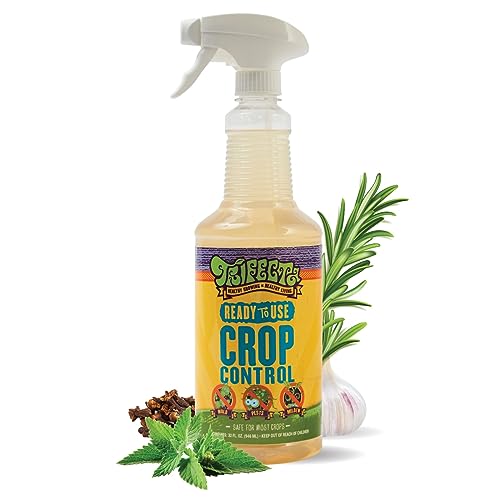
CROP, GARDEN & HOUSEPLANT INSECT CONTROL. Trifecta Crop Control all-natural, plant-based formula effectively combats destructive spider mites, aphids, whiteflies, fungus gnats, and other soft-bodied pests on indoor and outdoor plants. Our biodegradable, eco-friendly solution is safe for use on edible crops, without chemical residues. Our gentle yet potent plant spray suffocates and dehydrates pests without harming beneficial insects or the environment, making it ideal for organic gardening.
Cultural Practices
To prevent your tomato plants from turning white, start by ensuring they receive adequate sunlight. Position them in a location where they get at least 6-8 hours of direct sunlight daily. Proper spacing between plants is also essential to promote good air circulation, reducing the risk of fungal infections like powdery mildew.
Regular watering is crucial but avoid overhead watering as it can lead to moisture-related diseases. Instead, water at the base of the plant in the morning to allow foliage to dry during the day. Mulching around the plants helps retain moisture and prevents soil splashing onto leaves, which can spread diseases.
Pruning your tomato plants is another important cultural practice. Remove lower leaves that are touching the ground as they are more susceptible to pests and diseases. Additionally, prune overcrowded branches to improve airflow within the plant canopy.
Chemical and Organic Treatments
When it comes to treating white leaves on your tomato plants, you have options for both chemical and organic solutions. For chemical treatments, consider using fungicides specifically formulated for powdery mildew if this fungal infection is causing the discoloration.
Organic remedies include neem oil or baking soda solutions that can help combat powdery mildew naturally. These eco-friendly options are effective in managing fungal diseases while being safe for beneficial insects in your garden.
In severe cases of pest infestations like spider mites or whiteflies, insecticidal soaps or oils can be used as a targeted treatment method without harming other beneficial insects present in your garden ecosystem.
By integrating these cultural practices and utilizing appropriate treatments tailored to your specific situation, you’ll be better equipped to prevent and address white leaves on your tomato plants effectively throughout their growing cycle.
Monitoring and Maintenance Tips
To ensure the health of your tomato plants and prevent white leaves, it’s crucial to implement proper monitoring and maintenance practices. By following these tips, you can proactively address issues that may lead to discoloration and maintain vibrant, green foliage.
Recommended Products
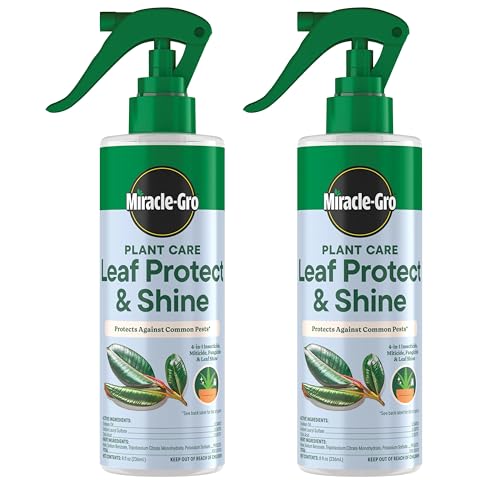
MULTI-PURPOSE PLANT SPRAY: Miracle-Gro Plant Care Leaf Protect & Shine plant spray helps plants in four ways by protecting against mites, insects, and disease control while also beautifying plants for houseplant care

ORGANIC PLANT FOOD: This liquid fertilizer for tomatoes & vegetables provides nutrients to ensure superior results.

Control common garden insects in your lawn and garden with Captain Jack's Deadbug Brew Concentrate from Bonide
Regular Inspection
Regularly inspect your tomato plants for any signs of white leaves or discoloration. Check both the upper and lower surfaces of the leaves for powdery mildew, nutrient deficiencies, or pest infestations. Early detection allows for prompt intervention before the problem escalates.
Adequate Watering
Maintain consistent watering practices to keep your tomato plants healthy. Avoid overwatering, which can contribute to fungal diseases like powdery mildew. Ensure proper drainage to prevent waterlogged soil that may lead to nutrient imbalances affecting leaf color.
Balanced Nutrition
Provide your tomato plants with a balanced fertilizer containing essential nutrients like nitrogen, phosphorus, and potassium. Nutrient deficiencies can cause leaf discoloration; therefore, regular fertilization supports healthy growth and minimizes the risk of white leaves due to nutritional issues.
Sunlight Exposure
Ensure your tomato plants receive adequate sunlight for optimal growth. Position them in a location with at least 6-8 hours of sunlight per day. Insufficient light can weaken plants’ immune systems, making them more susceptible to diseases that manifest as white patches on leaves.
Pruning Practices
Practice proper pruning techniques to promote air circulation around the plant canopy. Remove overcrowded or damaged foliage to reduce moisture retention that favors fungal growth. Pruning also helps redirect nutrients towards healthier leaves, preventing nutrient deficiencies linked to white discoloration.
Pest Control Measures
Implement pest control measures such as using insecticidal soaps or neem oil to deter common pests that contribute to leaf damage. Regularly monitor for pests like aphids or spider mites that can cause stress on tomato plants leading to weakened foliage prone to discoloration.
By incorporating these monitoring and maintenance tips into your gardening routine, you’ll be equipped with effective strategies to safeguard your tomato plants against white leaves while promoting their overall health and vigor throughout the growing season.
Conclusion
As you’ve learned, white leaves on your tomato plant can be caused by various factors like powdery mildew, nutrient deficiencies, sunscald, or pests. By promptly identifying and addressing these issues with balanced fertilizers and insecticidal soaps, you can ensure the health of your plants. Remember to implement preventive measures such as proper sunlight exposure, spacing, and pruning techniques to maintain vibrant foliage. Regular monitoring, watering, nutrition management, and pest control are key to preventing white leaves. With these strategies in place, you’ll enjoy a thriving tomato plant with lush green leaves all season long. Happy gardening!
Frequently Asked Questions
What are the common causes of white leaves on tomato plants?
White leaves on tomato plants can be caused by powdery mildew, nutrient deficiencies, sunscald, and pests. Prompt identification is crucial for effective treatment.
How can I address white leaves on my tomato plants?
To address white leaves, consider using balanced fertilizers and insecticidal soaps. Properly identifying the underlying cause and taking timely action is key to restoring plant health.
What prevention strategies can help avoid white leaves on tomato plants?
Prevention strategies include ensuring adequate sunlight, proper spacing between plants, and regular pruning to promote air circulation and prevent conditions conducive to white leaf development.
What maintenance tips should I follow to keep my tomato plants healthy?
Regularly inspect your plants for signs of issues, maintain consistent watering practices, provide balanced nutrition through fertilization, ensure adequate sunlight exposure, practice proper pruning techniques, and implement pest control measures as needed.
