

Have you ever found your tomato plants sprawling all over the garden, their fruits touching the ground? Picture this: You step outside, eager to check on your thriving tomato plants, only to discover a tangled mess of vines in need of support. How do you stake tomato plants effectively to ensure healthy growth and abundant harvests?
Key Takeaways
- Benefits of Staking Tomato PlantsEnhanced air circulation leads to healthier growth and lower infection risks. Reduced disease risk with less contact with soil-borne pathogens. Improved fruit quality due to controlled development environment.
- Enhanced air circulation leads to healthier growth and lower infection risks.
- Reduced disease risk with less contact with soil-borne pathogens.
- Improved fruit quality due to controlled development environment.
- Types of Stakes and SupportsWooden stakes provide sturdy support for keeping plants upright. Metal cages offer excellent support, especially for determinate varieties. Trellises are effective for supporting indeterminate tomato plants that vine and sprawl.
- Wooden stakes provide sturdy support for keeping plants upright.
- Metal cages offer excellent support, especially for determinate varieties.
- Trellises are effective for supporting indeterminate tomato plants that vine and sprawl.
- Steps to Stake Tomato PlantsSelect the right stake height based on tomato variety’s growth pattern. Plant at correct distances and stake early to guide growth effectively.
- Select the right stake height based on tomato variety’s growth pattern.
- Plant at correct distances and stake early to guide growth effectively.
- Maintenance TipsPrune regularly for plant health by promoting airflow and reducing disease risks. Monitor stakes for stability, adjust as needed, and anticipate additional support requirements.
- Prune regularly for plant health by promoting airflow and reducing disease risks.
- Monitor stakes for stability, adjust as needed, and anticipate additional support requirements.
Benefits of Staking Tomato Plants
Staking your tomato plants offers various advantages that contribute to their overall health and productivity. Here are some key benefits of staking tomato plants:
Enhanced Air Circulation
By staking your tomato plants, you allow for better air circulation around the foliage. This improved airflow helps reduce the risk of fungal diseases that thrive in damp conditions. With proper staking, your tomato plants can breathe easier, leading to healthier growth and lower chances of infections.
Reduced Disease Risk
Staked tomato plants are less prone to certain diseases compared to sprawling ones. Elevating the plants off the ground through staking minimizes contact with soil-borne pathogens and pests. This reduces the likelihood of issues such as blight or rot affecting your precious tomatoes, resulting in a higher yield of disease-free fruits.
Improved Fruit Quality
When you stake your tomato plants, you help ensure that the fruits develop in a more controlled environment. By lifting them above the ground, staked tomatoes are less likely to rot due to moisture exposure or pest damage. Additionally, better support from staking prevents fruit deformities caused by pressure on the vines, resulting in visually appealing and higher-quality tomatoes for you to enjoy.
Types of Stakes and Supports
When it comes to staking your tomato plants, choosing the right support system is crucial for their health and productivity. Here are some common types of stakes and supports you can use:
Recommended Products

【The Height And Width Can Be Changed At Will】-2Pcs plant support cages which width is 8.3 inch and height 22 inch.You can assemble the two parts into one,geting a larger,taller support cage.The height can be adjusted by increasing or decreasing the number of sticks,while the diameter can be adjusted by adding or removing the circular rings.

PLASTIC MATERIAL: The plant support clips are made of plastic. 1.2 inch (30 mm) middle diameter. Smooth surface without burr. The clamps are durable, and the middle joint is folded repeatedly and not easy to break, which can be reused.
Wooden Stakes
Wooden stakes are a popular choice for supporting tomato plants. They provide sturdy support and can be easily driven into the ground near each plant. You can tie the main stem of the tomato plant to the wooden stake using soft ties or twine. This method helps keep the plant upright as it grows, preventing it from bending or breaking under the weight of fruit.
Metal Cages
Metal cages offer excellent support for tomato plants, especially determinate varieties that grow to a specific height. These cages are typically made of durable metal wires formed into a cylindrical shape. As the tomato plant grows, you can guide its branches through the cage openings to help them stay upright and organized. Metal cages also allow good air circulation around the plant, reducing humidity levels and minimizing disease risks.
Trellises
Trellises are another effective way to support indeterminate tomato plants that tend to vine and sprawl. These vertical structures provide ample space for tomatoes to climb as they grow taller. You can secure the main stem or branches of the plant to the trellis using clips or ties, encouraging vertical growth and easy access for pruning or harvesting. Trellises promote better sunlight exposure and airflow, which are essential for healthy tomato development.
Choosing the right type of stake or support system depends on factors like your tomato variety, garden space, and personal preference. Experiment with different options to find what works best for your plants’ growth habits and your gardening style.
Steps to Stake Tomato Plants
Staking your tomato plants is a crucial step in ensuring their health and productivity. Here are the essential steps you need to follow:
Recommended Products

MADE FROM 65% RECYCLED PLASTIC - Reusable so you can reduce waste; supports the move toward a sustainable future whether using as indoor plant support, or replacing garden wire in the yard
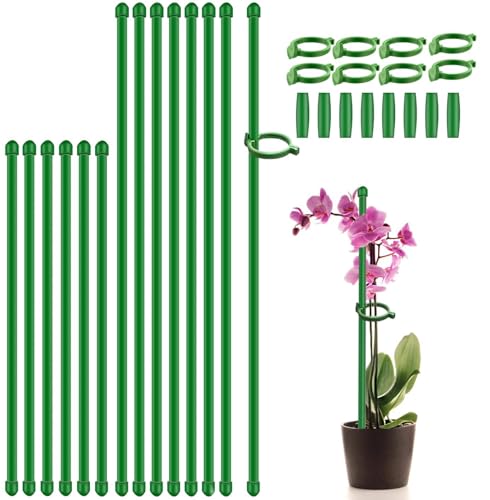
💐[PACKAGE INCLUDE]--16Pcs thick plant sticks(17inch and 11inch each 8pcs),16 ring buckles and 8 connectors,20 strapping tapes.

[High Quality] - The Bamboo stakes are made of high quality natural bamboo.It’s very strong and durable,great for plant support!Each stakes is inspected manually to ensure quality.
Selecting the Right Stake
When selecting a stake for your tomato plants, consider the height of the stake based on the variety of tomatoes you are growing. Indeterminate varieties, which continue to grow throughout the season, require taller stakes compared to determinate varieties that have a more limited growth pattern.
Proper Planting Techniques
To stake your tomato plants effectively, plant them at the correct distance from each other and space them according to their specific requirements. Make sure to drive the stake into the ground at planting time or shortly after to avoid damaging the plant’s roots later on.
Timing for Staking
It’s best to stake your tomato plants soon after planting or when they are still small. This allows you to guide their growth early on and prevent any potential damage that may occur if staking is delayed. By providing support early in their growth cycle, you help ensure that they develop properly without bending or breaking under the weight of fruit as they mature.
Maintenance Tips
Maintaining your staked tomato plants is crucial for their health and productivity. Here are some essential tips to ensure your plants thrive:
Pruning for Plant Health
Pruning your tomato plants is vital to promote airflow, reduce disease risks, and encourage fruit development. Trim any yellow or diseased leaves regularly to prevent the spread of infections. Focus on removing the lower leaves near the ground to prevent soil-borne diseases from splashing onto the plant.
Monitoring and Adjusting Stakes
Regularly inspect your stakes to ensure they provide adequate support as the tomato plants grow. Check for any signs of leaning or instability and adjust the stakes accordingly by driving them deeper into the soil or tying the plants more securely. Monitor the growth of your tomato plants closely to anticipate when additional support may be needed.
By following these maintenance tips, you’ll help your staked tomato plants stay healthy, strong, and productive throughout the growing season.
Conclusion
Staking your tomato plants is a crucial step in ensuring their well-being and productivity. By providing the right support, you can help them grow healthily, avoid entanglements, and enhance the quality of their fruits. Remember to choose suitable stakes that match your plants’ growth habits and follow proper staking procedures. Regular maintenance, such as pruning and adjusting stakes as needed, will contribute to robust plant development throughout the growing season. With these practices in place, you’ll be on your way to enjoying a bountiful harvest of delicious tomatoes from your well-supported plants. Happy gardening!
Frequently Asked Questions
Why is staking important for tomato plants?
Staking is crucial for supporting tomato plants, preventing tangling vines, and enhancing fruit quality.
What are the benefits of staking tomato plants?
Staking helps maintain plant structure, improves air circulation, reduces disease risks, and makes harvesting easier.
How do I choose the right stake for my tomato plants?
Select stakes based on plant size and growth habit. Options include wooden stakes, metal cages, or trellises.
When should I stake my tomato plants?
Stake young tomato plants immediately after planting to avoid damaging roots as they grow.
Is maintenance required after staking tomato plants?
Yes, regularly prune excess foliage, adjust stakes as needed, and provide ongoing support during the growing season.
