

Ever wondered why the lush green leaves of your tomato plants suddenly start turning a worrisome shade of yellow? Picture this: you’ve lovingly tended to your garden, eagerly anticipating a bountiful harvest, only to be met with the sight of yellowing foliage. What could possibly be causing this unexpected change in your once thriving tomato plants?
In this article, we’ll explore the common culprits behind yellow tomato leaves and provide you with valuable insights on how to address this issue. By understanding the underlying reasons for this discoloration, you’ll be equipped to take proactive steps to ensure the health and vitality of your beloved tomato plants. Let’s uncover the secrets behind yellowing tomato leaves and empower you to nurture your garden with confidence.
Key Takeaways
- Nutrient deficiencies, improper watering practices, and pest infestations are common causes of yellowing leaves in tomato plants.
- Environmental factors like temperature stress and improper sun exposure can also lead to yellow leaves on tomato plants.
- Diseases such as viral infections, fungal diseases, and bacterial infections can cause yellowing of tomato plant leaves.
- Adjusting care practices including proper watering, mulching, fertilization, and pruning can help prevent yellowing leaves on tomato plants.
- Using organic fungicides and pesticides when necessary, after identifying the issue correctly, can effectively treat yellowing leaves caused by diseases or pests.
Common Causes of Yellowing Leaves in Tomato Plants
If you’re noticing yellow leaves on your tomato plants, several factors could be contributing to this issue. Let’s explore some common causes to help you identify and address the problem effectively.
Nutrient Deficiencies
When your tomato plants lack essential nutrients, such as nitrogen, potassium, or magnesium, their leaves may start turning yellow. This deficiency can impact the plant’s ability to photosynthesize properly, leading to discoloration. To remedy this, consider using a balanced fertilizer specifically formulated for tomatoes to ensure they receive adequate nutrition.
Watering Issues
Improper watering practices can also result in yellowing leaves on tomato plants. Overwatering can lead to root rot and nutrient leaching, while underwatering can cause stress and nutrient imbalances. Ensure your tomato plants are receiving consistent moisture levels by checking the soil regularly and adjusting your watering schedule accordingly.
Pest Infestations
Pests like aphids, mites, or whiteflies can feed on the sap of tomato plant leaves, causing them to turn yellow or develop spots. Inspect the undersides of the leaves for any signs of pest infestation and take appropriate measures to control these unwanted visitors. Using organic insecticidal soap or neem oil can help deter pests without harming beneficial insects.
By addressing these common causes of yellowing leaves in tomato plants promptly and effectively, you can promote healthy growth and maximize your harvest yield. Stay vigilant in monitoring your plants’ health and make necessary adjustments to ensure they thrive throughout the growing season.
Environmental Factors
When it comes to the health of your tomato plants, environmental factors play a crucial role in determining the color and condition of their leaves. Here are some key aspects to consider:
Temperature Stress
Temperature fluctuations can significantly impact the leaves of your tomato plants. High temperatures above 85°F (29°C) can lead to yellowing leaves, especially if combined with high humidity levels. On the other hand, cold temperatures below 50°F (10°C) can also cause yellowing as the plant’s metabolic processes slow down.
Improper Sun Exposure
Proper sunlight exposure is essential for healthy tomato plants. Insufficient sunlight or excessive direct sunlight can both result in yellow leaves. Ensure your plants receive around 6-8 hours of sunlight daily but provide shade during intense midday sun to prevent leaf scorching.
By being mindful of these environmental factors and adjusting care practices accordingly, you can help maintain vibrant green leaves on your tomato plants and foster optimal growth.
Disease-Related Yellowing
When it comes to yellowing leaves on your tomato plants, diseases can also be a significant factor. Here are some disease-related reasons why your tomato plant leaves may be turning yellow:
Recommended Products

Compact Patio Variety – Perfect for pots, containers, and small gardens, Easy to Plant even in limited spaces.

Seeds are fresh, 10-25 days to germination.

Beautiful - Large full-color packet of Yellow Brandywine Tomato (Solanum var. ‘Yellow Brandywine’) seeds. Close cousin to the famous Pink Brandywine tomato but with golden-yellow, beefsteak type fruits weighing up to two pounds. Plants have fuzzy potato leaf foliage and indeterminate vines. Heavy producer with sweet, tangy low-acid flavor. Minimum of 100 mg per packet (about 45 seeds).
Viral Infections
Viral infections in tomato plants can cause yellowing of the leaves. One common viral infection is Tomato Yellow Leaf Curl Virus (TYLCV). This virus is typically spread by whiteflies and can lead to stunted growth and yellowing of the leaves. To prevent viral infections, ensure good garden hygiene practices, such as removing infected plants promptly.
Fungal and Bacterial Diseases
Fungal and bacterial diseases can also contribute to leaf yellowing in tomato plants. Diseases like Early Blight and Septoria Leaf Spot are common fungal infections that affect tomato plants, causing yellow spots on the leaves which eventually turn brown. To manage fungal and bacterial diseases, avoid overhead watering, provide adequate air circulation around the plants, and remove any infected plant material promptly.
By understanding these disease-related factors that can lead to yellowing leaves on your tomato plants, you’ll be better equipped to identify issues early on and take proactive measures to keep your plants healthy.
Prevention and Treatment
To maintain the health of your tomato plants and prevent yellowing leaves, here are some effective prevention and treatment methods you can implement:
Recommended Products
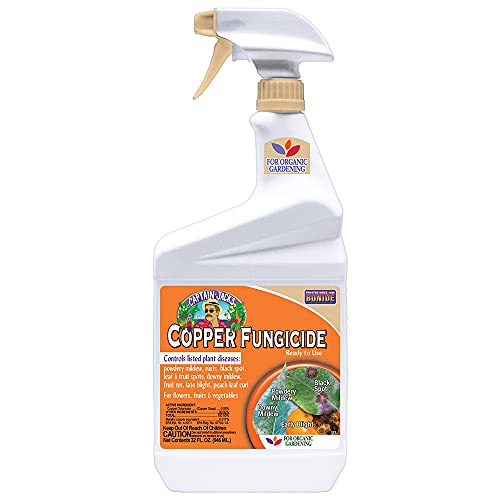
Control fungus and disease in your garden with Captain Jack’s ready-to-use Liquid Copper Fungicide!

Neudorff Copper Fungicide Controls Listed Plant Diseases: Powdery Mildew, Rusts, Black Spot, Leaf & Fruit Spot, Downy Mildew, Fruit Rot, Late Blight, Peach Leaf Curl and Other Listed Diseases.

3-IN-1 PLANT CARE: 3-In-1 Insect, Disease & Plant Mite Control provides insect control, disease control, and plant mite control all in one; Rainproof protection starts in 4 hours and lasts up to 14 days
Adjusting Care Practices
Adjusting your care practices is essential in preventing yellow leaves on your tomato plants. Here’s what you can do:
- Proper Watering: Ensure you water your tomato plants consistently but avoid overwatering. Stick to watering at the base of the plant to prevent fungal diseases that can lead to yellow leaves.
- Mulching: Applying mulch around the base of your tomato plants helps retain moisture in the soil and regulates temperature, reducing stress on the plants.
- Fertilization: Provide adequate nutrients by fertilizing your tomato plants with a balanced fertilizer rich in nitrogen, phosphorus, and potassium to prevent nutrient deficiencies that cause yellowing.
- Pruning: Regularly prune any yellow or diseased leaves to promote air circulation and prevent the spread of diseases among your plants.
Using Fungicides and Pesticides
In cases where preventative measures are not sufficient, using fungicides and pesticides can help treat yellowing leaves caused by diseases or pests. Consider these tips:
- Identify the Issue: Determine if the yellowing is due to a specific disease or pest infestation before selecting an appropriate fungicide or pesticide for treatment.
- Choose Organic Options: Opt for organic fungicides and pesticides whenever possible to minimize chemical exposure on your plants while effectively addressing the issue.
- Follow Instructions: Always read and follow the manufacturer’s instructions when applying fungicides or pesticides to ensure safe usage and optimal results without harming your plants.
By adjusting your care practices appropriately, identifying issues early, and utilizing targeted treatments like fungicides and pesticides when necessary, you can effectively prevent and address yellowing leaves on your tomato plants for healthy growth throughout the season.
Conclusion
Keep an eye on your tomato plants for any signs of yellowing leaves. Remember, a variety of factors can contribute to this issue, ranging from nutrient deficiencies to pests or diseases. By adjusting your care routine and promptly addressing any problems that arise, you can help keep your tomato plants healthy and thriving. Don’t forget to provide the necessary nutrients, water them appropriately, and protect them from extreme conditions. With proper care and attention, you’ll be able to enjoy vibrant green leaves on your tomato plants throughout the growing season.
Frequently Asked Questions
What are the common causes of yellowing leaves in tomato plants?
Yellowing leaves in tomato plants can be due to nutrient deficiencies, improper watering, pests, temperature stress, and sun exposure.
How can I prevent and treat yellowing leaves on my tomato plants?
Prevent yellowing by adjusting care practices like proper watering, mulching, fertilization, and pruning. Treat with fungicides or pesticides if necessary.
Viral infections and fungal and bacterial diseases are common disease-related factors that can lead to yellowing leaves in tomato plants.
Why is it important to identify issues early when dealing with yellowing leaves on tomato plants?
Identifying issues early allows for prompt treatment which is crucial for maintaining optimal plant health.
