

Have you ever wondered how far apart you should plant your tomato seedlings for optimal growth? Picture this: you’re excited to start your own vegetable garden, but unsure about the right distance between each tomato plant. Don’t worry, we’ve got you covered!
In this article, we’ll guide you on the recommended spacing between tomato plants to ensure they thrive and yield a bountiful harvest. By understanding the ideal distance for planting, you’ll set your garden up for success from the very beginning. Let’s explore how proper spacing can make a significant difference in the health and productivity of your tomato plants.
Key Takeaways
- Adequate spacing between tomato plants is crucial for optimal growth, allowing them to access nutrients, sunlight, and air circulation effectively.
- Proper spacing reduces the risk of diseases and pest infestations while easing maintenance tasks like watering and pruning.
- Determinate tomato varieties should be planted 12-18 inches apart in rows spaced 24-36 inches apart, while indeterminate varieties require wider spacing of 24-36 inches between plants and 36-48 inches between rows.
- Factors such as plant growth habits, sunlight requirements, and airflow needs influence the ideal spacing for tomato plants.
- Using spacing tools like measuring tapes and avoiding common mistakes such as overcrowding are essential for ensuring healthy growth and a bountiful harvest from your tomato plants.
Understanding the Importance of Proper Spacing for Tomato Plants
When it comes to growing tomato plants, understanding the significance of proper spacing is crucial. By giving your tomato plants enough room to grow, you ensure they have access to essential resources and can thrive. Let’s delve into the benefits of adequate spacing and the risks associated with overcrowding.
Benefits of Adequate Spacing
Providing sufficient space between tomato plants offers several advantages:
- Optimal Nutrient Absorption: Adequate spacing allows each plant to access nutrients in the soil more effectively, promoting healthier growth and robust fruit production.
- Improved Air Circulation: Properly spaced plants benefit from better air circulation, reducing the risk of fungal diseases that thrive in humid environments.
- Enhanced Sunlight Exposure: With adequate room between plants, each one receives ample sunlight, crucial for photosynthesis and overall plant development.
- Ease of Maintenance: Well-spaced tomato plants are easier to care for as they allow you to navigate around them for tasks like watering, pruning, and pest control.
Risks of Overcrowding
Overcrowding your tomato plants can lead to various issues:
- Competition for Resources: Crowded plants must compete for water, nutrients, and sunlight, which can result in stunted growth and reduced yields.
- Increased Disease Susceptibility: Lack of airflow among closely packed plants creates a favorable environment for diseases such as blight or mildew to spread quickly.
- Difficulty in Harvesting: Dense foliage from overcrowded plants makes it challenging to harvest ripe tomatoes and inspect plant health accurately.
- Pest Infestations: Tight spaces attract pests that feed on stressed or weakened plants due to inadequate resources available in crowded conditions.
By understanding these factors related to spacing between tomato plants, you can make informed decisions that contribute significantly to the success of your garden harvests.
Recommended Spacing for Different Types of Tomato Plants
When it comes to planting tomato varieties, the spacing between your plants is crucial for their growth and productivity. Let’s explore the recommended spacing for different types of tomato plants to ensure they thrive in your vegetable garden.
Recommended Products

PLASTIC MATERIAL: The plant support clips are made of plastic. 1.2 inch (30 mm) middle diameter. Smooth surface without burr. The clamps are durable, and the middle joint is folded repeatedly and not easy to break, which can be reused.
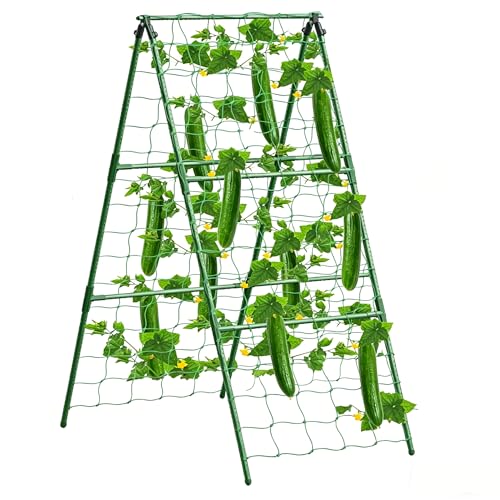
【Package included】:This Trellis for Climbing Plants Outdoor comes complete with everything you need to get started: 17pcs metal stakes, 8pcs T shape connect pipe, 2 A-shaped connectors, and a 0.9x1.8meter plant net.
Determining Spacing for Determinate Tomato Varieties
For determinate tomato varieties, which grow to a specific size and produce fruit all at once, it’s essential to space them properly. A general guideline is to plant determinate tomatoes approximately 12-18 inches apart in rows that are 24-36 inches apart. This spacing allows each plant enough room to develop without overcrowding, ensuring adequate airflow and sunlight exposure.
Spacing Indeterminate Tomato Varieties
Indeterminate tomato varieties, on the other hand, continue growing throughout the season and produce fruit until frost. These plants require more space due to their continuous growth habit. It is recommended to plant indeterminate tomatoes around 24-36 inches apart in rows spaced 36-48 inches apart. This wider spacing accommodates their sprawling nature and enables better access for maintenance tasks like pruning and harvesting.
By adhering to these spacing recommendations based on the type of tomato variety you’re planting, you can promote healthy growth, prevent issues related to overcrowding, and ultimately enjoy a bountiful harvest from your tomato plants.
Factors Influencing Tomato Plant Spacing
When considering the spacing between your tomato plants, there are several factors that influence the optimal distance for planting. Understanding these factors will help you ensure healthy growth and maximize your harvest.
Recommended Products

【New generation Plant Support Cage】Different from other tomato trellis, LOMNYIY tomato support cage have the newest plug-in connection, and unique double-layer metal tube...
Plant Growth Habit
Tomato plants have different growth habits that affect how much space they need to thrive. Determinate varieties, which grow to a fixed height and produce fruit all at once, should be planted 12-18 inches apart in rows spaced 24-36 inches apart. On the other hand, indeterminate varieties, which continue to grow and produce fruit throughout the season, require more space. It’s recommended to plant indeterminate tomatoes 24-36 inches apart with row spacing of 36-48 inches.
Sunlight and Airflow Needs
Proper spacing between tomato plants is crucial for adequate sunlight exposure and airflow. Placing your plants too close together can lead to shading, hindering photosynthesis and increasing the risk of diseases due to poor air circulation. By following the recommended spacing guidelines based on the type of tomato plant you’re growing, you’ll ensure that each plant receives sufficient sunlight and airflow, promoting healthy development and reducing the chances of issues like fungal infections.
By understanding these key factors influencing tomato plant spacing – including their growth habits and sunlight/airflow needs – you can create an optimal environment for your plants to thrive. Remember, proper spacing isn’t just about avoiding overcrowding; it’s about setting the stage for a successful harvest by providing your tomatoes with the space they need to grow strong and healthy.
Practical Tips for Planting Tomatoes
When it comes to planting tomatoes, ensuring the right spacing is crucial for their healthy growth and productivity. Here are some practical tips to help you achieve optimal spacing for your tomato plants:
Using Spacing Tools and Techniques
To accurately space your tomato plants, consider using gardening tools such as measuring tapes or rulers to maintain consistent distances between each plant. You can mark the planting spots beforehand to ensure precision in spacing. Additionally, techniques like creating furrows or raised beds can aid in organizing and spacing out your tomato plants effectively.
Common Mistakes to Avoid
One common mistake many gardeners make when planting tomatoes is overcrowding. It’s important not to plant tomatoes too close together as this can lead to competition for resources like sunlight, water, and nutrients, resulting in stunted growth and lower yields. Another mistake is neglecting to account for the specific spacing requirements of different tomato varieties. Remember that determinate varieties need less space between plants compared to indeterminate ones to thrive optimally.
By utilizing proper spacing tools and techniques while avoiding common mistakes like overcrowding, you’ll set your tomato plants up for success, ensuring they have ample room to grow healthily and produce a bountiful harvest.
Conclusion
Ensuring the right spacing between your tomato plants is key to their overall well-being and productivity. By giving them enough room to grow, you’re providing them with the best environment to thrive. Remember, proper spacing allows for better nutrient absorption, air circulation, and sunlight exposure, all essential for healthy tomato development. Avoid overcrowding issues by following recommended spacing guidelines based on factors like growth habits and sunlight needs. Utilize spacing tools and techniques for precise plant placement in your garden. By steering clear of common mistakes such as overcrowding or ignoring varietal spacing requirements, you set yourself up for a successful tomato-growing season ahead. Embrace these strategies to cultivate robust tomatoes that yield bountiful harvests – happy gardening!
Frequently Asked Questions
Why is proper spacing important for tomato plants in a vegetable garden?
Proper spacing is crucial for tomato plants to ensure they have enough room for healthy development. Adequate spacing allows each plant to access essential nutrients, receive proper air circulation, and get sufficient sunlight exposure.
What factors influence the spacing of tomato plants?
Several factors influence the spacing of tomato plants, including their growth habits, sunlight requirements, and airflow needs. Determining the appropriate distance between plants based on these factors is essential for supporting optimal growth and productivity.
How can I achieve optimal spacing for my tomato plants?
To achieve optimal spacing for your tomato plants, use spacing tools or techniques to measure precise distances between each plant. Follow recommended guidelines based on the specific variety you are growing to ensure adequate space for healthy development.
What are some common mistakes to avoid when spacing tomato plants?
Common mistakes to avoid when spacing tomato plants include overcrowding them, neglecting varietal spacing requirements, and failing to provide enough room for each plant to grow properly. By avoiding these mistakes, you can create an ideal environment for successful tomato cultivation.
