

Tired of finding pesky bugs munching on your prized tomato plants? Imagine the frustration of nurturing your garden, only to have it invaded by unwelcome guests. What if you could enjoy juicy, ripe tomatoes without having to battle these persistent pests?
Key Takeaways
- Common bugs that target tomato plants include hornworms, aphids, whiteflies, and cutworms.
- Understanding the life cycle of these pests is crucial for effective pest management.
- Choosing the right tomato varieties and implementing physical barriers can help protect your plants from bugs.
- Natural solutions like homemade organic sprays, beneficial insects, and companion planting are effective in bug control.
- When using chemical treatments, select the appropriate ones based on the pests present and follow safety guidelines diligently.
Understanding the Threat: Common Bugs That Target Tomato Plants
Tomato plants are vulnerable to various pests that can hinder your harvest. By recognizing these common bugs, you can take proactive steps to protect your tomato plants.
Identifying Common Pests
Knowing the enemy is half the battle. Some typical bugs that target tomato plants include:
- Hornworms: These large green caterpillars can devour entire leaves and even green tomatoes.
- Aphids: Small, pear-shaped insects that gather on new growth, sucking sap from the plant.
- Whiteflies: Tiny white insects found under leaves that weaken plants by feeding on their juices.
- Cutworms: These brown or gray caterpillars cut through stems at ground level, causing plants to wither.
The Lifecycle of Tomato Plant Bugs
Understanding the life cycle of these pests is crucial for effective pest management. Here’s a general overview:
- Egg Stage: Pests like hornworms and cutworms start as eggs laid near tomato plants by adult insects.
- Larva Stage: After hatching, larvae emerge hungry and begin feeding on your tomato plant.
- Pupa Stage: Larvae enter this stage for transformation before emerging as adult bugs ready to reproduce.
- Adult Stage: Adult insects lay eggs near or on tomato plants, starting the cycle anew.
By familiarizing yourself with these common pests and their life cycles, you can better protect your precious tomato plants from potential damage.
Preventive Measures to Protect Your Tomato Plants
When it comes to safeguarding your tomato plants from pesky bugs, there are several preventive measures you can take. By implementing these strategies, you can promote healthy growth and ensure a bountiful harvest of delicious tomatoes.
Recommended Products

Great Helper for Gardening: This YDSL plant covers freeze protection is ideal for gardening enthusiasts and gardeners to protect plants and vegetables, so that your favourite plants can grow as safely as possible in an environment that is more suited to their needs. Garden bed cover is not only suitable for professional growers, but also for beginners in transplanting techniques, with which planting can be done with ease.

Protect Your Vegetables and Fruits: LCHUANG Garden Netting is great for orchards, greenhouses, gardens, nurseries, patios, and shrubs. This Bird Netting with a zipper can protect blueberries, tomatoes, trees, fruits, flowers, vegetables, and potted plants from insects, birds, and bugs, which helps the plants grow normally.
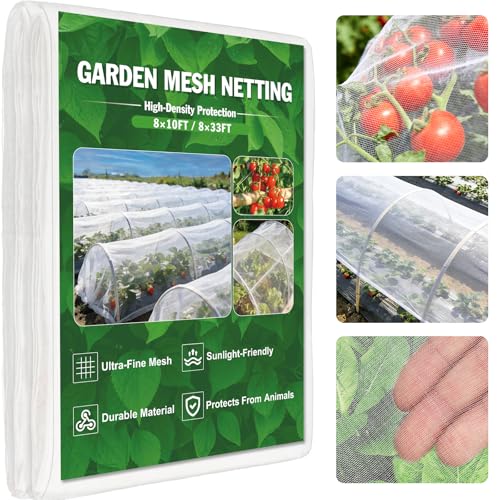
【Upgraded Fine Mesh Netting】This fine mesh garden netting uses 0.7*0.8mm high-density garden insect netting to block, birds, and small animals, offering reliable plant protection netting for vegetables and flowers
Choosing the Right Tomato Varieties
Selecting the appropriate tomato varieties can play a significant role in deterring pests. Opt for cultivars that are known for their resistance to common insect infestations. For instance, varieties like ‘Celebrity,’ ‘Roma,’ or ‘Amelia’ are less susceptible to certain bugs, reducing the likelihood of infestations on your plants.
Implementing Physical Barriers
Creating physical barriers around your tomato plants is an effective way to keep bugs at bay. Use floating row covers or mesh netting to shield your plants from insects while still allowing sunlight and air circulation. These barriers act as a protective shield against pests like aphids and whiteflies, preventing them from reaching your precious tomato crop.
Natural Solutions for Bug Control
When it comes to protecting your tomato plants from pesky bugs, natural solutions can be effective and safe for your garden environment. Here are some eco-friendly methods you can use to keep bugs off your tomato plants:
Recommended Products

READY-TO-USE CONTACT SPRAY: No mixing required. Thoroughly spray insecticide on all plant parts, including the underside of leaves. Pests must be sprayed directly to achieve control
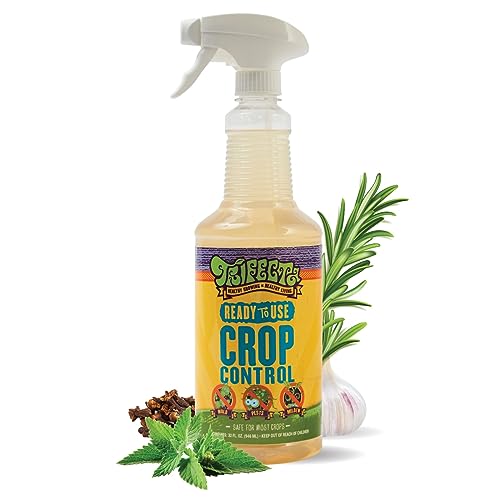
CROP, GARDEN & HOUSEPLANT INSECT CONTROL. Trifecta Crop Control all-natural, plant-based formula effectively combats destructive spider mites, aphids, whiteflies, fungus gnats, and other soft-bodied pests on indoor and outdoor plants. Our biodegradable, eco-friendly solution is safe for use on edible crops, without chemical residues. Our gentle yet potent plant spray suffocates and dehydrates pests without harming beneficial insects or the environment, making it ideal for organic gardening.

3-IN-1 GARDEN CARE SPRAY - Earth’s Ally 3-in-1 Plant Spray is a ready-to-use botanical oil spray designed for indoor and outdoor plant care. The houseplant pest spray effectively kills and controls soft-bodied insects and common plant diseases with a synergistic blend of essential oils.
Homemade Organic Sprays
To ward off insects without resorting to harsh chemicals, you can create homemade organic sprays using simple ingredients found in your kitchen. One popular recipe involves mixing water with a few drops of dish soap and cayenne pepper. This mixture acts as a natural insect repellent that is safe for your plants.
Another option is neem oil spray, which is known for its pest-repelling properties. Neem oil disrupts the feeding and reproductive patterns of many common garden pests, including aphids and spider mites. Simply dilute neem oil according to the package instructions and spray it on your tomato plants.
Beneficial Insects and Companion Planting
Introducing beneficial insects into your garden can help control pest populations naturally. Ladybugs, lacewings, and predatory wasps are examples of beneficial insects that feed on harmful pests like aphids and caterpillars. You can attract these helpful bugs by planting companion flowers such as marigolds or dill near your tomatoes.
Companion planting involves strategically placing certain plants together to enhance growth or repel pests. For instance, planting basil near your tomato plants not only improves the flavor of tomatoes but also deters pests like whiteflies and mosquitoes.
By incorporating these natural bug control methods into your gardening routine, you can protect your tomato plants from harm while promoting a thriving ecosystem in your garden.
Chemical Treatments: When and How to Use Them
When it comes to protecting your tomato plants from persistent bugs, chemical treatments can be an effective solution. Knowing when and how to use them is crucial for safeguarding your plants while minimizing harm to the environment.
Recommended Products

Protect your oasis with Captain Jack’s Neem Max Ready-to-Use Spray; this multipurpose product acts as a 4-in-1 insecticide, fungicide, miticide and nematicide
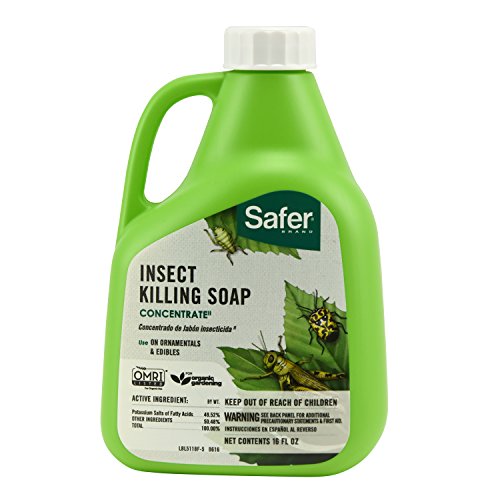
GENTLE ON MOST PLANTS - This aphid spray is ideal for use on flowers, herbs, vegetables, houseplants, lawn, tree, shrubs, and more

MULTI-USE SPRAY: This Safer Garden Neem Oil is a 3-in-1 spray that works as a fungicide, miticide, and insecticide to eliminate pests and diseases on your favorite plants
Choosing the Right Chemical Treatments
To select the appropriate chemical treatments for your tomato plants, identify the specific pests causing damage. Different insects may require different types of chemicals for effective control. For instance, if you’re dealing with aphids, a mild insecticidal soap could suffice. On the other hand, more stubborn pests like hornworms might need a stronger pesticide.
Consider opting for organic or botanical-based pesticides to minimize environmental impact while effectively managing pests. Products containing neem oil or pyrethrin are popular choices for controlling common tomato plant bugs without harmful residues.
Safety Tips for Chemical Usage
When using chemical treatments on your tomato plants, prioritize safety measures to protect yourself and the environment. Wear protective gear such as gloves, goggles, and a mask to prevent direct contact with chemicals that may cause skin irritation or respiratory issues.
Follow manufacturer instructions diligently regarding application methods, dosage rates, and frequency of use. Avoid overusing chemicals as it can lead to pesticide resistance in insects and harm beneficial organisms in your garden.
Always store chemicals in their original containers in a secure location away from children and pets. Properly dispose of any leftover chemicals according to local regulations to prevent contamination of soil and water sources.
By choosing the right chemical treatments tailored to your specific pest issues and following safety protocols during application, you can effectively keep bugs off your tomato plants while promoting a healthy growing environment for a successful harvest.
Conclusion
You’ve learned valuable strategies to protect your tomato plants from pesky bugs. By understanding the pests’ life cycles and implementing preventive measures like selecting resistant tomato varieties, using physical barriers, and incorporating natural bug control methods, you can ensure a thriving garden free from harmful insects. Remember to consider the use of chemical treatments as a last resort and prioritize safety when applying them. With these tips in mind, you’re equipped to safeguard your tomato plants and enjoy a plentiful harvest of delicious, pest-free tomatoes. Happy gardening!
Frequently Asked Questions
What are some common bugs that damage tomato plants?
Common bugs that damage tomato plants include hornworms, aphids, whiteflies, and cutworms. These pests can cause significant harm to tomato plants if left unchecked.
Why is understanding the life cycle of these pests important?
Understanding the life cycle of pests is crucial for effective pest management. It helps in identifying the best control methods at each stage of their development, ultimately protecting tomato plants from infestations.
What preventive measures can be taken to protect tomato plants from bugs?
Preventive measures include selecting resistant tomato varieties like ‘Celebrity,’ ‘Roma,’ or ‘Amelia,’ using physical barriers such as floating row covers or mesh netting, and practicing companion planting with pest-repelling plants like basil.
What natural solutions can be used for bug control in a garden?
Natural solutions for bug control include homemade organic sprays with ingredients like dish soap and cayenne pepper, neem oil spray, beneficial insects such as ladybugs and lacewings, and companion planting with pest-repelling herbs like basil.
Are chemical treatments recommended for controlling tomato plant bugs?
Chemical treatments can be used for pest control but should be chosen carefully based on the specific pests present. Organic or botanical-based pesticides like neem oil or pyrethrin are effective options with minimal environmental impact when used correctly.
