

Have you ever found yourself struggling to keep your tomato plants alive and thriving? Picture this: you’ve put in the time, effort, and care into growing your tomatoes, only to see them wilt before your eyes. It can be disheartening, but fret not – there are simple yet effective ways to rescue your precious tomato plants from the brink of death.
Key Takeaways
- Improper watering practices, pests, diseases, and nutrient deficiencies are common reasons for tomato plant failure.
- Choose well-draining soil, provide adequate sunlight, and monitor for pests regularly to prevent issues.
- Use organic pesticides and adjust watering/fertilization techniques for effective treatment of plant problems.
- Support tomato plants with stakes or cages and adapt care routines based on seasonal changes.
Common Reasons Tomato Plants Die
If you’re facing challenges with your tomato plants, understanding the common reasons they may be struggling can help you address the issues effectively.
Recommended Products
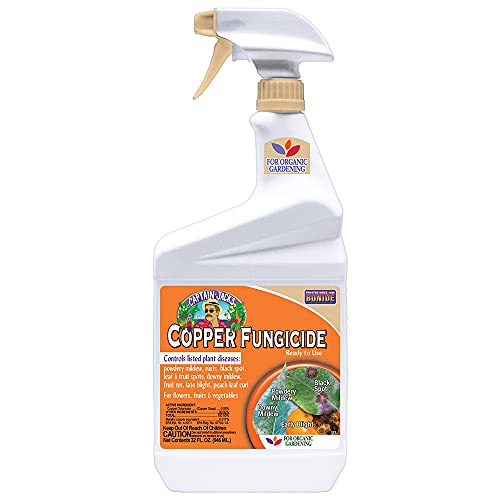
Control fungus and disease in your garden with Captain Jack’s ready-to-use Liquid Copper Fungicide!

3-IN-1 PLANT CARE: 3-In-1 Insect, Disease & Plant Mite Control provides insect control, disease control, and plant mite control all in one; Rainproof protection starts in 4 hours and lasts up to 14 days

Improper Watering Practices
Overwatering or underwatering your tomato plants can lead to their demise. It’s crucial to find the right balance in watering them. Too much water can drown the roots, causing root rot and ultimately killing the plant. On the other hand, insufficient water deprives the plant of essential nutrients, leading to wilting and eventual death.
Pests and Diseases
Pests like aphids, caterpillars, or diseases such as blight can wreak havoc on your tomato plants. These invaders weaken the plant by feeding on its leaves or spreading infections. By regularly inspecting your plants for signs of pests or diseases and taking prompt action to address these issues, you can prevent them from causing irreparable harm.
Nutrient Deficiencies
Tomato plants require a balanced diet of nutrients to thrive. Deficiencies in essential nutrients like nitrogen, potassium, or calcium can result in stunted growth, yellowing leaves, and poor fruit development. Ensuring that your plants receive adequate nutrition through fertilization and soil amendments is vital for their survival.
By being mindful of these common reasons for tomato plant failure and taking proactive measures to mitigate these risks, you can increase the chances of saving your beloved tomato plants from dying prematurely.
Preventative Measures for Healthy Tomato Plants
To ensure your tomato plants thrive, follow these preventative measures:
Recommended Products

Accurate Soil Moisture Detection: The XLUX Soil Moisture Meter can tell you if the soil deep inside your pot or garden is dry, moist or wet; whereas your eyes and fingers can only determine the moisture level of the soil surface. The probe is 5.5 inches (14 cm) longer than regular styles, allowing it to measure the soil moisture at the bottom of larger and deeper flower pots.

Accurate Soil Moisture Detection: The XLUX Soil Moisture Meter can tell you if the soil deep inside your pot or garden is dry, moist or wet; whereas your eyes and fingers can only determine the moisture level of the soil surface. The probe is 5.5 inches (14 cm) longer than regular styles, allowing it to measure the soil moisture at the bottom of larger and deeper flower pots.
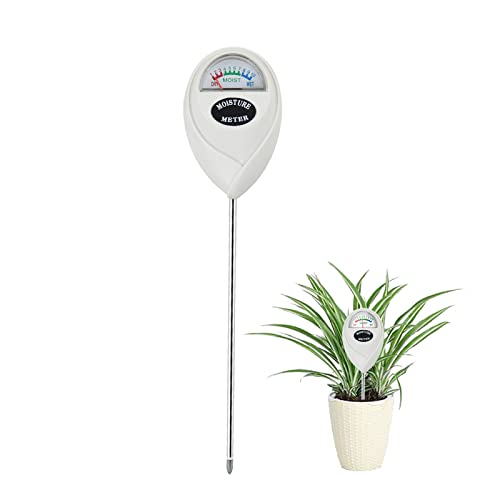
【SAVE YOUR PLANTS】: Over watering can cause problems with your plants or even kill them. This soil moisture meter helps you know the soil is dry, moist or wet.No more over watering!
Choosing the Right Soil and Location
Select well-draining soil rich in organic matter for your tomato plants. Plant them in a sunny spot with at least 6-8 hours of sunlight daily. Avoid areas prone to standing water to prevent root rot.
Regular Monitoring and Maintenance
Check your tomato plants frequently for signs of pests, diseases, or nutrient deficiencies. Remove any affected leaves or fruits promptly. Water consistently but avoid overwatering to prevent root issues. Fertilize as needed based on plant growth stages.
By implementing these preventative measures, you can safeguard your tomato plants from common threats and promote their overall health and productivity.
Effective Treatment Options
When it comes to saving your tomato plants from dying, there are effective treatment options you can explore. By implementing these strategies, you can give your plants the best chance at recovery and thriving.
Recommended Products
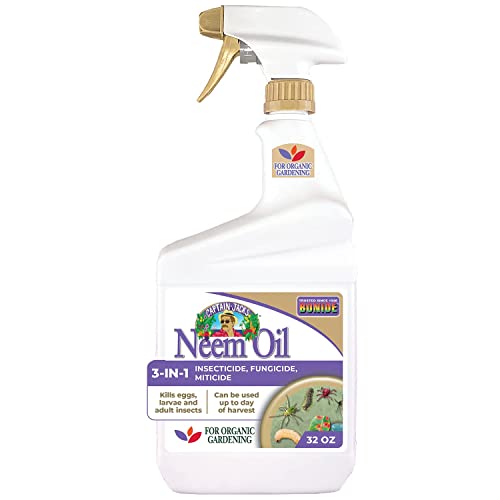
Protect your oasis with 3 garden products in 1 from Captain Jack’s; Bonide Captain Jack’s Ready-to-Use Neem Oil spray for plants is a multi-purpose fungicide, insecticide and miticide for your lawn & garden

FUNGAL DISEASE CONTROL: Prevents and controls black spot on roses, powdery mildew, rust, downy mildew, and other listed fungal diseases when applied on a 7–14 day schedule

PLANT DISEASE CONTROL: Natria Neem Oil acts as an insecticide and fungicide in one convenient spray; Ready-to-use trigger sprayer requires no mixing
Organic Pesticides and Fungicides
To combat pests and diseases that may be threatening your tomato plants, consider using organic pesticides and fungicides. These natural alternatives can help protect your plants without introducing harmful chemicals into your garden. Examples of organic solutions include neem oil for controlling aphids or copper fungicide for managing fungal infections like blight. By incorporating these eco-friendly options, you can safeguard your tomato plants while minimizing environmental impact.
Adjusting Watering and Fertilization Techniques
Proper watering and fertilization are crucial for the health of your tomato plants. Adjusting these techniques can make a significant difference in their growth and resilience. Ensure that you water your plants consistently but avoid overwatering, which can lead to root rot. Similarly, tailor your fertilization schedule to meet the specific needs of your tomatoes at different growth stages. By providing adequate nutrients through balanced fertilization and maintaining appropriate soil moisture levels, you can support the vitality of your tomato plants and promote robust fruit production.
By incorporating organic pesticides and fungicides, as well as adjusting your watering and fertilization practices, you can effectively treat issues affecting your tomato plants and help them thrive in optimal conditions. Remember to monitor your plants regularly, stay proactive in addressing any signs of distress promptly, and provide them with the care they need to flourish throughout the growing season.
Advanced Care Tips
When it comes to saving your tomato plants from potential demise, advanced care tips can make a significant difference in ensuring their health and vitality. By implementing these strategies, you can provide the necessary support for your plants to thrive under optimal conditions.
Supporting Plants Physically
To physically support your tomato plants and prevent them from wilting or breaking under their weight as they grow, consider using stakes or cages. Staking involves tying the main stem of the plant to a sturdy stake for vertical support, while caging provides 360-degree support by encircling the plant with a wire or wooden cage. These methods help maintain proper plant structure and prevent damage during heavy fruit production.
Seasonal Considerations
Adjusting your care routine based on seasonal changes is crucial for the long-term health of your tomato plants. During hot summer months, ensure adequate watering to prevent dehydration and heat stress. In cooler seasons, protect your plants from frost by covering them with cloches or row covers at night. Adapting your care practices to suit each season’s unique challenges will help sustain healthy growth and maximize fruit production throughout the year.
Conclusion
By implementing the right care techniques and staying attentive to your tomato plants’ needs, you can rescue them from potential demise. Remember to adjust your watering schedule, keep an eye out for pests and diseases, and provide necessary nutrients. Supporting your plants with stakes or cages can also contribute significantly to their well-being. As you navigate through different seasons, be prepared to adapt your gardening practices accordingly. With dedication and a little extra effort, you’ll be able to enjoy healthy tomato plants that thrive year-round. Keep up the good work in nurturing your garden!
Frequently Asked Questions
Why do tomato plants fail?
Tomato plants can fail due to improper watering, pests, diseases, and nutrient deficiencies. It is crucial to be aware of these factors and take preventive measures.
What are some treatment options for failing tomato plants?
Effective treatment options include using organic pesticides, adjusting watering practices, and addressing nutrient deficiencies through appropriate fertilization techniques.
How can I support my tomato plants better?
Support your tomato plants by using stakes or cages to prevent them from bending or breaking under the weight of the fruit as they grow.
How should I adjust care routines based on seasonal changes?
Adjust care routines for tomato plants according to seasonal variations in temperature and sunlight exposure to ensure their long-term health and productivity.
