

Ever wondered what cucumber plant leaves really look like? Are you struggling to identify them in your garden? Imagine having a lush cucumber plant but not being able to recognize its leaves. In this article, you’ll discover the distinctive features of cucumber plant leaves, helping you become a pro at plant identification.
Have you ever found yourself staring at a plant, unsure if it’s a cucumber or something else? Picture the relief of confidently spotting those telltale cucumber leaves among your garden greens. Understanding the unique characteristics of cucumber plant leaves can transform your gardening experience.
The Anatomy of Cucumber Plant Leaves
Cucumber plant leaves are broad and palmate with five to seven lobes, resembling an outstretched hand. Each lobe is separated by deep clefts, creating a unique and identifiable shape.
- The leaves are medium to dark green in color, providing an excellent contrast against the pale green or yellow of the cucumber fruit.
- Soft, velvety to the touch, cucumber leaves have a slightly hairy texture on the surface, helping them retain moisture and protect against pests.
- Prominent veins run along the length of the leaves, serving as channels for the transport of nutrients and water throughout the plant.
Spotting these distinctive features will help you accurately identify cucumber plants in your garden, allowing you to nurture them effectively.
Identifying Features of Cucumber Leaves
When it comes to identifying cucumber leaves, there are several distinctive features that set them apart from other plant varieties. Here’s what you need to look out for:
- Broad and Palmate Shape: Cucumber leaves are characterized by a broad, palmate shape with five to seven lobes.
- Velvety Texture: These leaves are medium to dark green and feel velvety to the touch, giving them a unique texture.
- Slightly Hairy Surface: The slightly hairy surface of cucumber leaves not only adds to their appearance but also helps in retaining moisture and protecting against pests.
- Prominent Veins: An essential feature of cucumber leaves is the presence of prominent veins, which serve as channels for nutrient and water transport.
- Resemblance to an Outstretched Hand: When fully developed, cucumber leaves resemble an outstretched hand, further aiding in their identification.
Now that you’re familiar with the identifying features of cucumber leaves, it’s easier to spot them in your garden and ensure they thrive.
Recommended Products

Light duty, multi-purpose PVC/TPR (polyvinyl chloride/thermoplastic rubber)

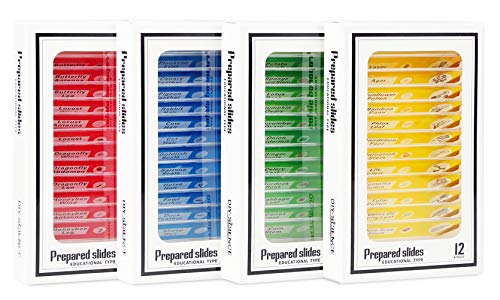
Safety Material: The high transparency plastic microscope slide is cleaned in advance so that it’s non-toxic, no stains, scratches and any bacteria. there is no danger of sharp corners on the fingers because the microscope slides have smooth edges
Variations in Cucumber Plant Leaf Structure
When it comes to cucumber plant leaves, there can be some variations in their appearance. Here are a few key distinctions to keep in mind:
- Leaf Color: Cucumber leaves typically range from medium to dark green hues. However, some varieties may exhibit lighter or variegated leaf colors.
- Leaf Texture: While most cucumber leaves have a smooth surface, certain types may display a wavy or rippled texture.
- Leaf Size: Young cucumber leaves tend to be smaller and more delicate compared to mature leaves, which are larger and have a sturdier structure.
- Leaf Shape: While the classic cucumber leaf shape is broad and palmate with several lobes, some cultivars may feature slightly different variations in the number or shape of lobes.
- Leaf Veins: The veins in cucumber leaves play a crucial role in nutrient transportation. Look for prominent veins that branch out across the leaf surface.
Understanding these subtle differences in cucumber plant leaves can help you identify various cucumber cultivars in your garden and tailor your care practices accordingly.
Tips for Distinguishing Cucumber Leaves from Other Plants
When identifying cucumber leaves, pay attention to the following key characteristics:
- Color: Cucumber leaves are typically a vibrant green color, ranging from light to dark shades.
- Shape: They often have a heart-shaped appearance with slightly serrated edges.
- Texture: Cucumber leaves are smooth to the touch, lacking any roughness or fuzziness.
- Veins: Look for prominent veins running along the leaf surface, especially along the edges.
By familiarizing yourself with these distinctive features, you’ll be able to spot cucumber leaves in a garden or agricultural setting with ease.
Conclusion
Now that you know what to look for, identifying cucumber plant leaves should be a breeze. Their vibrant green color, heart-shaped form with serrated edges, smooth texture, and prominent veins are the key features to keep in mind. By recognizing these distinct characteristics, you can easily spot cucumber leaves in your garden or farm. Happy gardening!
Frequently Asked Questions
How can I distinguish cucumber leaves from other plants?
Cucumber leaves are vibrant green, heart-shaped with serrated edges, have a smooth texture, and prominent veins. Familiarize yourself with these features for accurate identification.
Are there specific characteristics to look for when identifying cucumber leaves?
Yes, key features include vibrant green color, heart-shaped appearance with serrated edges, smooth texture, and prominent veins.
Why is it important to differentiate cucumber leaves from other plants?
It’s essential to accurately identify cucumber leaves to avoid confusion with harmful plants, ensure proper care, and maximize crop yield.
