

Ever wondered what broccoli plants really look like in your garden? Picture this: you’re strolling through your backyard, and suddenly, you spot a cluster of vibrant green florets peeking out from the soil. Intriguing, right?
Have you ever struggled to differentiate between broccoli and its leafy counterparts? Identifying broccoli plants can be a fun challenge, especially when you know what to look for.
Characteristics of Broccoli Plants
When you’re trying to identify broccoli plants in your garden, there are some key characteristics to look out for:
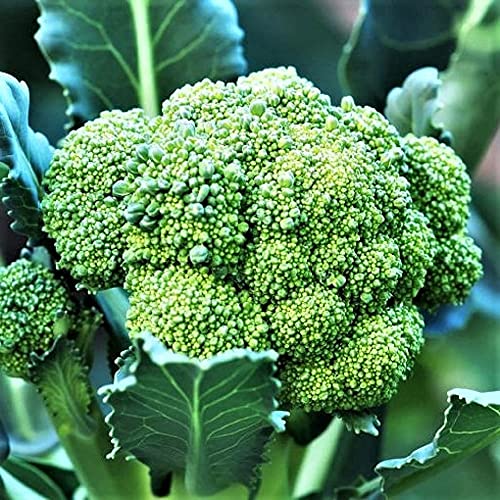
- Vibrant Green Color: Broccoli plants have rich green florets that stand out in your garden.
- Thick Stems: Look for sturdy stalks that support the florets.
- Compact Clusters: The florets form dense clusters, unlike the spread-out leaves of other plants.
- Textured Appearance: Broccoli has a distinct bumpy texture on its florets.
- Unique Scent: When you crush a leaf or stem, you’ll notice a familiar, fresh vegetable scent.
Identifying Broccoli in Your Garden
To accurately identify broccoli in your garden, pay attention to the following characteristics:
- Vibrant Green Color: Fresh broccoli florets are a vibrant green.
- Thick Stems: Broccoli clusters are supported by thick stems.
- Compact Arrangement: The florets are tightly packed in a cluster.
- Bumpy Texture: Broccoli florets have a bumpy texture.
- Fresh Vegetable Scent: Crushing the leaves or stems releases a unique fresh vegetable scent.
Now that you know what to look for, identifying broccoli plants amidst other greens in your garden should be a breeze.
Features of Mature Broccoli Plants
When spotting mature broccoli plants in your garden, keep an eye out for these distinctive features:
- Large Heads: Look for sizable, dense clusters of florets that form the central head.
- Thick Stems: Notice the sturdy, thick stems that support the florets and give the plant its structure.
- Leafy Greens: Surrounding the central head, you’ll find dark green, leafy foliage that adds to the plant’s volume.
- Compact Formation: Broccoli florets are tightly packed together, creating a full and compact appearance.
- Textured Surface: Run your fingers over the florets’ surface to feel the bumpy texture unique to broccoli.
- Fresh Scent: Crush a leaf or stem gently to release the distinct fresh vegetable fragrance that broccoli plants emit.
By familiarizing yourself with these key characteristics, you’ll confidently identify mature broccoli plants in your garden.
Broccoli Plant Varieties to Explore
When it comes to broccoli plants, there are several interesting varieties you can explore. Here are a few common types you might encounter:
- Calabrese Broccoli: Recognized for its large heads and compact formation of florets.
- Sprouting Broccoli: Features smaller heads and long, slender stems that produce edible shoots over an extended period.
- Broccolini: A hybrid of broccoli and Chinese broccoli, it has tender stems and smaller florets.
- Romanesco Broccoli: Known for its unique spiral-shaped heads and distinctive lime-green color.
Recommended Products

THREE HEIRLOOM BROCCOLI SEED VARIETIES – Calabrese (Brassica oleracea var. italica), Romanesco (Brassica oleracea var. botrytis), Waltham 29 (Brassica oleracea var. italica) for cool fall and spring gardens

HEIRLOOM BROCCOLI VARIETIES – Three traditional broccoli heirlooms (Brassica oleracea var. italica) Calabrese, Waltham 29, and Purple Sprouting Broccoli, plus Romanesco broccoli (Brassica oleracea var. botrytis), and San Marzano Raab (Brassica rapa)
Tips for Growing Broccoli Successfully
When it comes to growing your own broccoli plants, there are some tips that can help you achieve a bountiful harvest. Here are some guidelines to ensure your broccoli thrives in your garden:
- Sunlight: Ensure your broccoli plants receive full sunlight for at least 6 hours a day.
- Soil: Plant your broccoli in well-draining, rich soil with a pH level between 6.0 to 7.0.
- Watering: Keep the soil consistently moist but not waterlogged. Broccoli plants need about 1-1.5 inches of water per week.
- Fertilization: Use a balanced fertilizer before planting and side-dress with nitrogen when the plants are about 3-4 weeks old.
- Spacing: Give your broccoli plants enough room to grow by spacing them 18-24 inches apart in rows separated by 24-36 inches.
- Mulching: Mulch around the base of the plants to retain moisture, suppress weeds, and maintain even soil temperatures.
- Pest Control: Keep an eye out for common pests like aphids, caterpillars, and cabbage worms. Utilize natural predators or organic solutions to keep them at bay.
- Harvesting: Harvest your broccoli when the heads are firm and tight, typically about 60-90 days after planting.
By following these tips, you can ensure that your broccoli plants thrive and provide you with a delicious and nutritious harvest.
Recommended Products

Organic compost starter speeds up the composting process and is ideal for outdoor compost piles

FOR EVERYTHING YOU PLANT: Use Bio-tone Starter Plus fertilizer when planting / transplanting all plants.
Conclusion
You now have a good understanding of what mature broccoli plants look like in a garden, along with the different varieties available. By following the essential tips provided in this article, you can successfully grow your own broccoli. Remember to give your plants plenty of sunlight, plant them in well-draining soil, water and fertilize appropriately, space them out correctly, mulch, keep pests at bay, and harvest at the right time. With these practices in place, you’ll be on your way to enjoying a bountiful harvest of fresh and nutritious broccoli from your garden. Happy gardening!
Frequently Asked Questions
How can I identify mature broccoli plants in my garden?
Mature broccoli plants will have tight, compact heads of florets that are dark green in color. Avoid plants with yellowing or flowering heads.
What are some popular varieties of broccoli plants?
Popular broccoli plant varieties include Calabrese, Romanesco, Purple Sprouting, and Marathon.
What are essential tips for successfully growing broccoli?
Ensure your broccoli plants receive at least 6 hours of sunlight, plant them in well-draining soil, water regularly, fertilize with nitrogen, space plants 18-24 inches apart, mulch to retain moisture, control pests with neem oil or predatory insects, and harvest when the heads are firm.
How do I know when to harvest broccoli?
Harvest broccoli when the heads are firm and tight, typically around 60-85 days after transplanting seedlings or 90-100 days after sowing seeds directly. Cut the main head at an angle 5-8 inches below the head.
