


I have found that containers give you a way to shape the planting structure in a yard without digging up the whole space first.
When I look back at my own attempts, the setups that lasted were the ones that matched the light patterns and the actual flow of the garden rather than just looking good on a screen.
Some arrangements just never feel right until you move them around a few times.
Picking starter plants that match my local conditions cut down on the replacements I had to make each spring.
Over the seasons those small changes added up and showed me how containers can define edges and create a clearer layout even in a modest yard.
Start Your Containers On A Bench

Many beginners find it simpler to line up a few pots on a bench instead of scattering them on the floor. This keeps the plants at a good height for watering and picking, and it makes the whole setup feel more manageable from the start.
A bench also works well on balconies or small patios where floor space is tight. Just make sure it can hold the weight and place it where it gets enough sun for the herbs you want to grow.
Succulents in Mixed Containers

Succulents make a good starting point for container gardening because they need little water and can handle sun exposure on a terrace. Placing them in a few different vessel styles keeps the setup simple while still giving the space some greenery without much upkeep.
Wooden barrels and a long trough work well together here because they let you group several plants at once. This approach suits rooftops or balconies where digging beds is not an option, and it leaves room for a bench nearby so the area stays usable too.
Grow Herb Containers Right by the Outdoor Kitchen
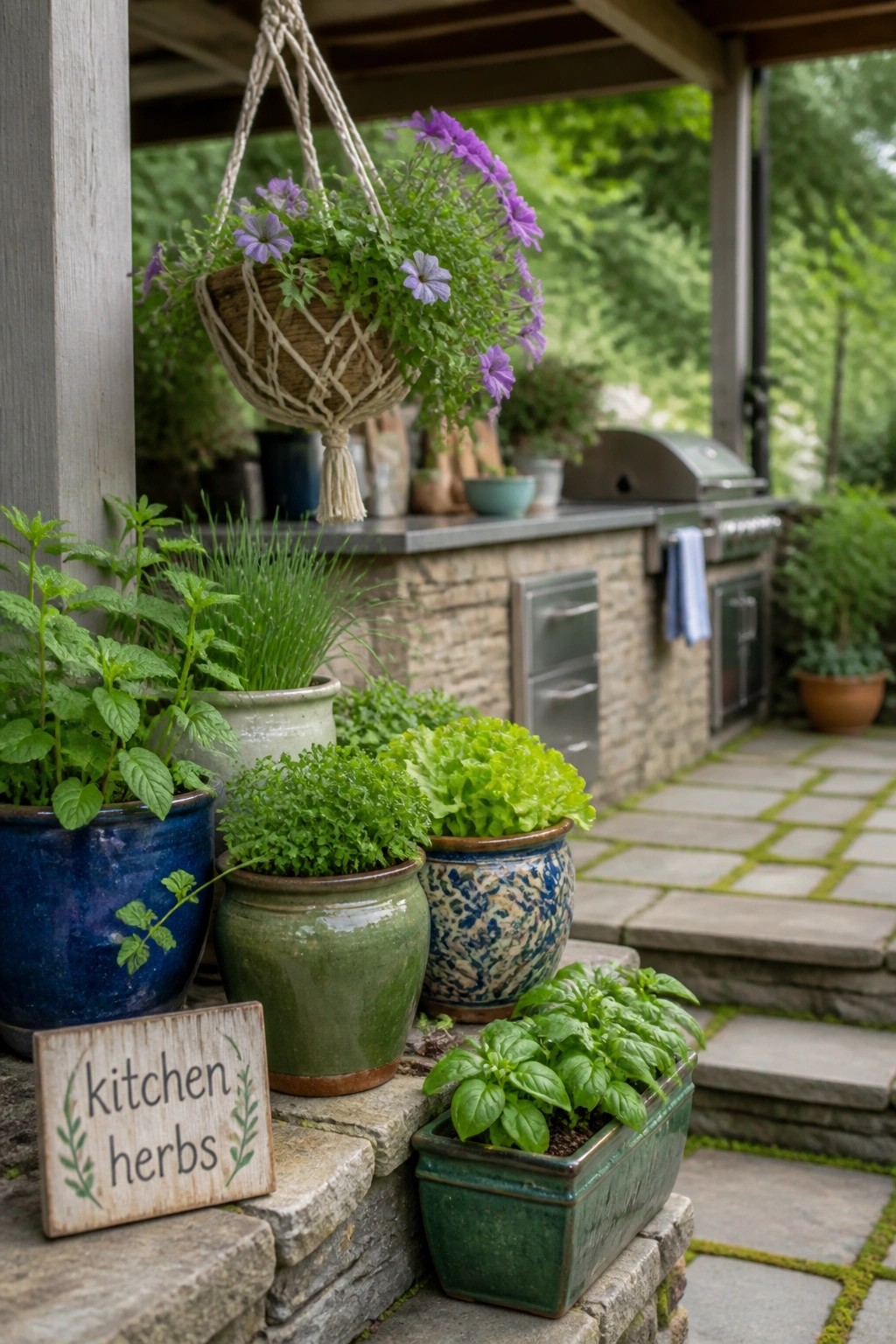
Placing a few pots of kitchen herbs near where you cook turns an ordinary patio into a more useful space. You can reach for fresh basil or mint without walking across the yard, and the plants stay easy to water and trim. Beginners like this setup because it needs only a few containers and some sun.
Start with simple plants like basil, mint, and parsley in medium pots set on steps or along the edge of the patio. Keep them grouped together so they stay neat and you remember to check them often. This works best on homes with an outdoor cooking area or a small paved spot where a full garden bed would not fit.
Mix Pot Sizes On Your Porch

Grouping a few containers of different heights and widths makes it easy to get color without needing a big garden bed. The different levels let the plants show off better and keep things simple if you are just starting out.
This works well on a front porch or small entry area where space is tight. Stick with sturdy pots like terracotta and choose easy annuals that can handle sun. Just water them regularly and you have a fresh look that does not take much work.
Container Gardening On A Balcony

Many people start with containers because they work well in small spaces like balconies and decks. You can grow a mix of herbs and leafy greens without needing a full yard, and the planters keep everything organized and easy to reach.
This setup works best on sunny balconies where you can move the pots around as needed. Choose sturdy containers that hold enough soil, and water regularly since pots dry out faster than garden beds.
Easy Herbs In Terracotta Pots

Many beginners find that starting with herbs in simple clay pots makes container gardening feel manageable right away. These plants grow well in small spaces and give you something useful without needing much care.
This approach suits apartment balconies or patios where ground space is limited. Keep the pots grouped on a tray so you can move them for sun and water them without extra effort.
Grouping Containers Around A Fire Pit

Placing a few pots of flowers right around a fire pit gives the area color and life without needing to dig beds or rearrange the whole patio. It works because containers let you move things around easily and try different plants until you find what grows well in your spot.
This setup suits small patios or decks where a full garden is not possible. Stick with simple starters like geraniums or marigolds that handle containers well and keep blooming with basic watering.
Container Gardening In Small Outdoor Spaces

Many people start gardening with containers because they fit almost anywhere and let you grow food without needing a big yard. Wooden boxes and metal buckets work especially well along narrow paths or against walls, where they keep plants organized and easy to reach.
This setup suits beginners who want to try vegetables like kale or potatoes without committing to a full garden bed. Just make sure each container has good drainage and sits on a surface that can handle a little water.
Group Large Clay Pots for Easy Starts

Large clay pots make container gardening feel less overwhelming when you are just beginning. They hold moisture well, stay stable in wind, and give plants like lavender and rosemary plenty of root room without extra fuss.
Place a few together along a sunny path or near a bench so watering and harvesting stay simple. Watch that the pots have good drainage holes and avoid overcrowding them with too many different plants at first.
Container Gardening on a Balcony

Containers let you grow herbs and greens even when space is tight. A few labeled pots on a table or along the edge can keep basil, oregano, and thyme within easy reach for cooking.
This approach suits apartments and small decks because the pots are simple to move and water. A wall-mounted vertical planter can add more growing room without taking up floor space.
Grow Dwarf Citrus In Oversized Pots

Large ceramic pots make it simple to grow small citrus trees right next to a pool or patio. The trees stay contained, they move if you need to rearrange the space, and they give you fresh greenery and a bit of fruit without digging beds. Beginners like them because the pots do most of the work of keeping roots happy and the look tidy.
Pick a sunny spot with good drainage and use a roomy pot at least eighteen inches across. Water when the top inch of soil feels dry and feed lightly during the growing season. This setup works well on paved surfaces or along the edge of a deck where permanent planting is not an option.
Stack Planters To Create Layers In Small Spaces

Many beginners line up pots on the ground and stop there. Raising a few planters on blocks or stacking them gives the row more shape and keeps plants from looking flat against a fence or path edge.
This setup suits narrow side yards or gravel walks where room is limited. Use simple concrete blocks for the base, set taller plants like shrubs on top, and fill lower spots with ferns or flowers that handle shade. Keep the heights uneven so the line feels natural instead of rigid.
Label Pots to Track Beginner Plants
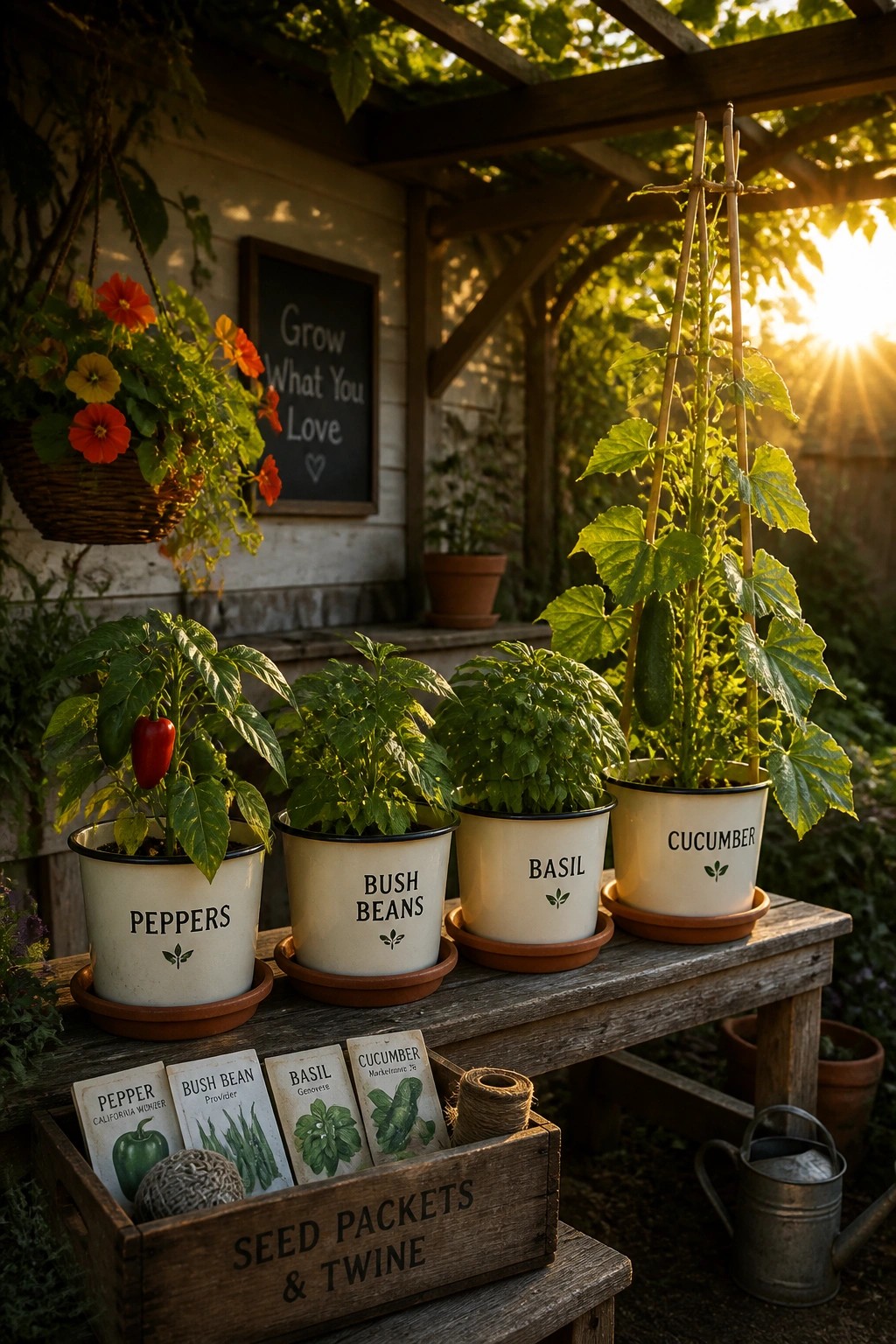
One simple way to start container gardening is to label each pot with the plant name right on the front. This keeps things clear when you are growing several different vegetables and herbs together, especially if you are still learning what each one needs.
It works best on a low bench or table where you can reach everything easily. Place the pots close together so they get similar sun and water, and keep a few seed packets nearby for quick reference during the season.
Container Gardens for Balconies

Many people start container gardening because it works on small outdoor spaces like balconies. You can line up planters along the edge and add a few taller pots in the corners to create a bit of privacy without needing a full yard.
This setup suits apartments and beginners since you control the soil and can move things around easily. Stick with simple plants like marigolds or trailing vines at first, and choose pots with drainage so the plants stay healthy through the season.
Use a Ladder Shelf for Herb Containers

A simple wooden ladder shelf gives you several growing levels in one small spot. It keeps herb pots off the floor, makes watering easier, and lets you group plants that need similar care without crowding a table or railing.
This setup works best on a porch or deck where space is limited. Set taller pots on the lower rungs and smaller ones higher up so each plant still gets light. Keep the shelf near a chair or watering can so daily care stays quick and convenient.
Raised Pallet Beds For Easy Vegetable Growing
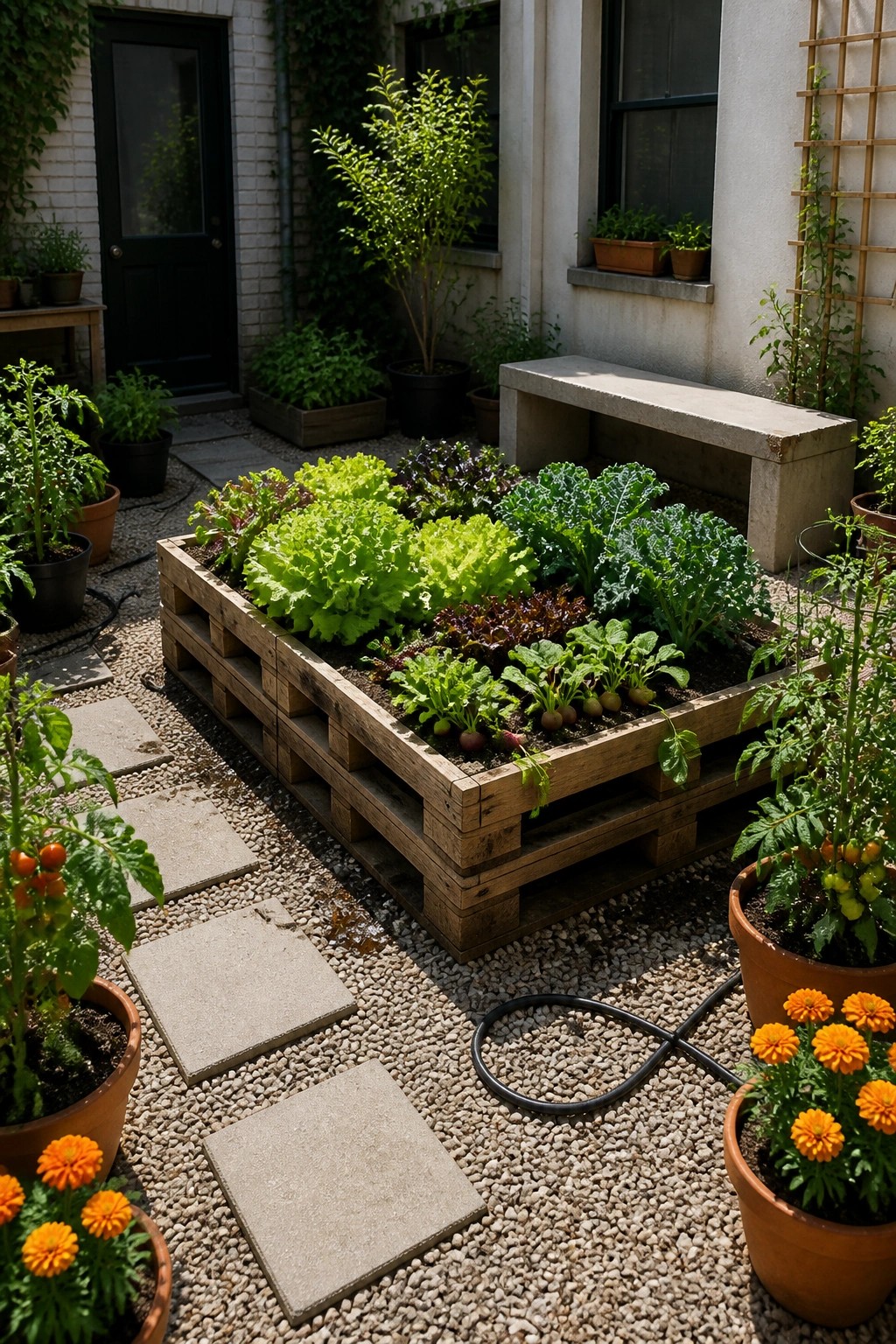
A raised pallet planter gives beginners a simple way to start growing vegetables without digging up the yard. The wood keeps the soil contained, improves drainage, and puts the plants at a comfortable height for watering and harvesting. Many people like how it turns a small gravel area into a productive spot.
This setup works best on patios or side yards where space is limited. Fill it with easy crops like lettuce, kale, and radishes, and add a few pots nearby for tomatoes or flowers. Just check the wood is untreated so it stays safe for food plants.
Group Containers on Your Patio
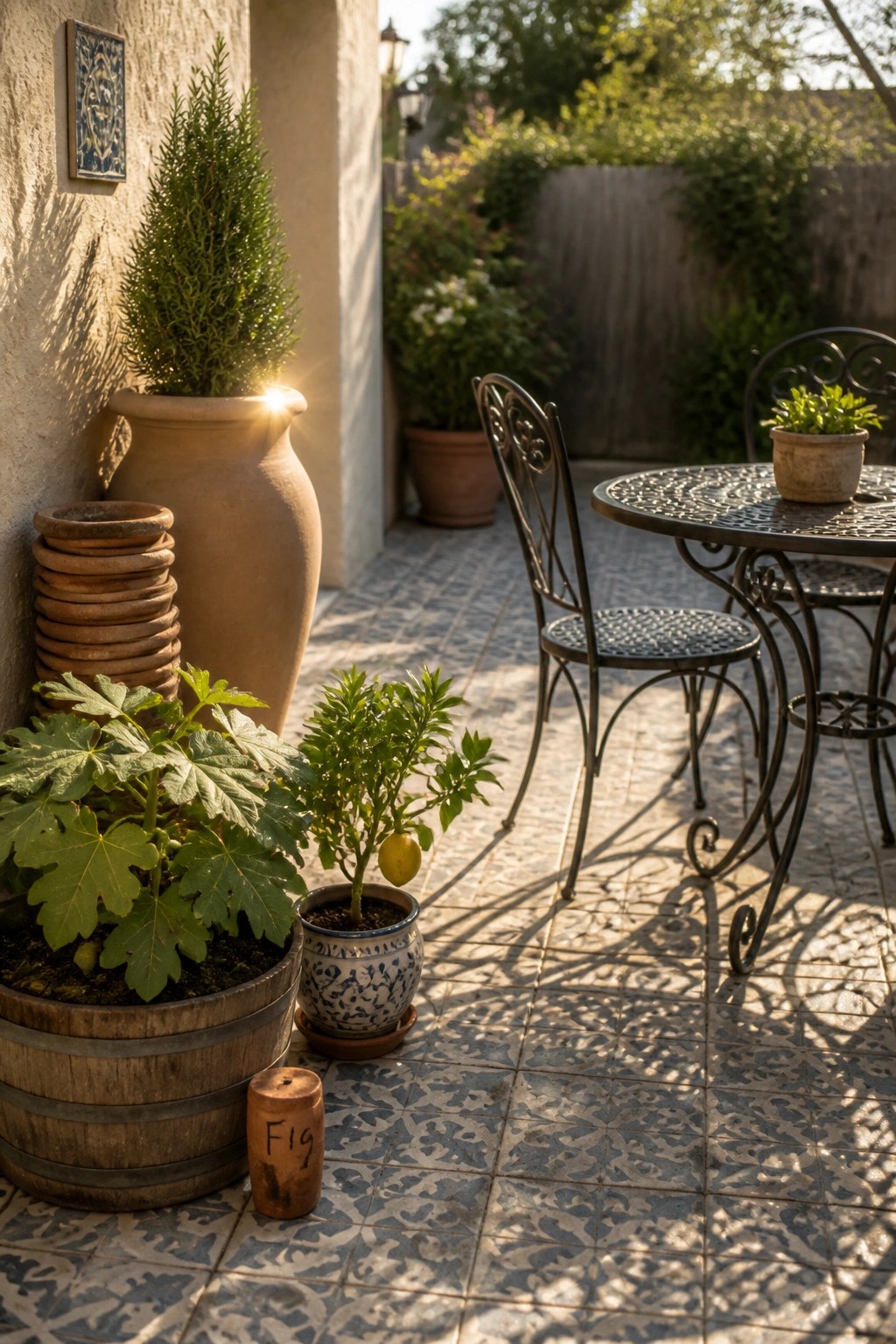
Many people start container gardening by placing a few pots near a seating area. Grouping them in different sizes and materials helps the plants look more settled without needing a full garden bed. It also keeps everything easy to move if the light shifts or you want to rearrange.
This works well on paved patios or small outdoor spaces where digging is not an option. Use sturdy pots like wooden barrels or terracotta for bigger plants, and keep smaller ones in lighter containers so beginners can adjust them as needed. Just watch that the pots have good drainage.
Grow Herbs In Labeled Metal Containers

Many beginners do well when they start with herbs in simple metal containers. These hold soil well, stand up to weather, and make it easy to keep each plant separate.
Set the containers on a table or low shelf in a sunny spot so you can water and harvest without much effort. This approach fits balconies, rooftops, and small yards where space is tight.
Containers Along Poolside Patios

Large concrete planters make it simple to add plants right next to outdoor seating. They keep greenery close without needing to dig beds or worry about soil conditions under the paving.
This setup works best on patios or pool decks where space is tight. Choose tough plants like succulents that handle sun and limited watering, and group a few planters together so the area feels softer.
Frequently Asked Questions
Q: Do I need to buy special soil or can I use dirt from my backyard?
A: Potting mix works much better because it drains well and won’t pack down tight. Regular dirt often holds too much water and can rot the roots fast. Start with that for easier success.
Q: My spot only gets morning sun. Which plants from the list will still do okay there?
A: Go with the shade tolerant ones like lettuce or pansies. They handle less light without much trouble. Move the pot if you can to catch whatever sun shows up.
Q: How do I tell when it’s time to water without overdoing it?
A: Stick your finger an inch into the soil. If it feels dry then give the plants a good soak until water runs out the bottom. Check every couple days at first until you get the feel for it.
