

Ever wondered how to turn that old cow manure in your garden into a secret weapon for lush, thriving plants? Picture this: you’re staring at a pile of aged cow dung, unsure of its potential. What if I told you it holds the key to transforming your garden into a green paradise?
Key Takeaways
- Nutrient-Rich Fertilizer: Aged cow manure is a natural fertilizer rich in essential nutrients like nitrogen, phosphorus, and potassium, enhancing soil fertility and promoting plant growth.
- Soil Health Benefits: Incorporating old cow manure supports a sustainable gardening approach by fostering a healthy underground ecosystem that benefits plant growth in the long term.
- Improved Soil Structure: Aged cow dung acts as a natural conditioner, improving soil structure, water infiltration, and retention capacity for healthier plants and reduced risks of waterlogging.
- Proper Usage Guidelines: Prepare aged cow manure by composting it before use to reduce potential pathogens and ensure optimal nutrient breakdown for your garden plants.
- Application Techniques: Apply composted cow manure before planting or side-dress established plants carefully to avoid root burn and promote gradual nutrient release into the soil.
- Considerations & Comparisons: Be mindful of concerns like weed seeds, pathogens, odor control, while also appreciating the cost-effectiveness and environmental benefits of using old cow manure over synthetic fertilizers.
Benefits of Using Old Cow Manure in the Garden
Nutrient Content and Soil Fertility
Enhance your garden’s nutrient content and soil fertility by incorporating aged cow manure. This natural fertilizer is rich in essential nutrients like nitrogen, phosphorus, and potassium, providing your plants with the nourishment they need to thrive. The organic matter in old cow manure helps improve soil health by promoting microbial activity, which aids in nutrient breakdown and absorption by plant roots.
By using old cow manure in your garden, you’re not only enriching the soil with vital nutrients but also supporting a sustainable approach to gardening. Unlike synthetic fertilizers that can harm beneficial microbes in the soil over time, aged cow manure fosters a healthy ecosystem underground, leading to long-term benefits for your plants’ growth and overall garden vitality.
Improving Soil Structure and Aeration
Transform your garden’s soil structure and enhance aeration levels with the help of old cow manure. The organic matter present in aged cow dung acts as a natural conditioner, loosening compacted soil and improving its texture. This means better water infiltration and retention capacity, reducing the risk of waterlogging or runoff during heavy rains.
Moreover, incorporating old cow manure into your garden soil promotes better aeration by creating pathways for air circulation within the earth. Improved soil aeration allows plant roots to access oxygen more efficiently, leading to healthier root systems and improved overall plant growth. By using aged cow manure regularly, you can ensure that your garden soil remains loose, fertile, and conducive to robust plant development.
How to Properly Use Old Cow Manure in Your Garden
Recommended Products

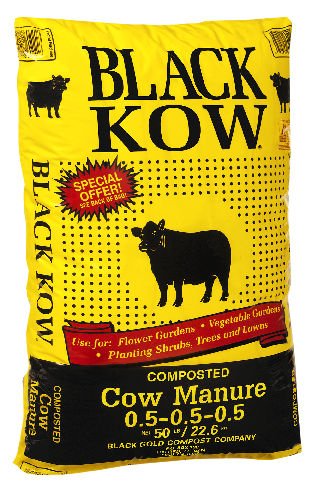
Black Kow cow manure compost is organic and contains nutrients that are released slowly without burning tender roots.

Provide moisture-holding capacity to sandy soils. Black Kow cow manure holds water and nutrients in the soil around the roots. The roots can use the water and nutrients when needed instead of letting the nutrients leach through the soil

NUTRIENT-RICH GROWTH: Premium cow manure compost packed with nitrogen, calcium, and iron. This organic compost fertilizer enriches soil, boosts microbial life, and supports bigger vegetables, greener lawns, and thriving flowers.
Preparing the Manure for Use
To prepare old cow manure for your garden, start by ensuring that it has aged properly. You can tell if the manure is ready for use by its dark color and crumbly texture. If it’s still fresh, it may be too strong and could burn your plants. Once aged, you should break up any clumps and remove large debris like hay or straw so that it’s easier to incorporate into the soil.
Next, consider composting the cow manure before using it in your garden beds. Composting helps further break down the nutrients in the manure and reduces the risk of potential pathogens. Mix the aged cow manure with other organic matter like leaves, grass clippings, or kitchen scraps to create a nutrient-rich compost that will benefit your plants.
Application Techniques and Timing
When applying old cow manure to your garden, spread a layer of composted manure over the soil surface before planting. Ensure that you mix it thoroughly into the top few inches of soil to allow for even distribution of nutrients. Avoid placing raw manure directly on plant roots as it can cause root burn due to its high ammonia content.
For established plants, side-dress them by adding a thin layer of composted cow manure around their base without touching stems or trunks. Water gently after application to help nutrients seep into the soil gradually without leaching away.
Timing is crucial when using old cow manure in your garden. Apply composted manure in early spring before planting season begins so that nutrients have time to integrate into the soil before new growth starts. Avoid using fresh or uncomposted manure during growing seasons as it can harm plants rather than nourish them.
By following these steps and guidelines, you can effectively utilize old cow manure in your garden to enhance soil fertility and promote healthy plant growth throughout the season.
Potential Concerns With Using Manure
Recommended Products

Natural Soil Amendment: High-quality aged cow manure provides a natural and convenient way to amend garden soil and help roses thrive.

CONTAINS - Dehydrated cow manure with aged forest produts that help improve poor soil conditions and promote better plant growth

Heirlom Roses Mint Compost: Provides moisture retention in sandy, dry soils, while also rich in natural humus to help break up hard clay soils
Weed Seeds and Pathogens
When using old cow manure in your garden, one potential concern is the presence of weed seeds and harmful pathogens. Cow manure may contain viable weed seeds that can germinate in your garden, leading to unwanted plant growth. Additionally, if the manure isn’t properly composted or aged, it could harbor harmful pathogens such as E. coli or Salmonella, posing risks to both plants and humans. To mitigate these concerns, ensure that the manure has undergone thorough composting to kill weed seeds and pathogens before application.
Odor and Neighbors
Another consideration when incorporating old cow manure into your garden is the issue of odor, which can be a concern for you and your neighbors. Fresh manure tends to have a strong smell that may not be pleasant in residential areas. While aged manure typically has reduced odor compared to fresh ones, there might still be some lingering scent during application. To address this issue, consider composting the manure further or using it in a well-ventilated area away from neighboring properties to minimize any potential discomfort caused by odors.
By being aware of these potential concerns and taking appropriate measures to address them, you can effectively utilize old cow manure in your garden while minimizing any associated risks or nuisances.
Comparing Old Cow Manure to Other Fertilizers
Recommended Products

FOR USE ON: Use Chicken Manure organic fertilizer for flowers (annuals, perennials, and roses), Vegetables (tomatoes, peppers, squash, and lettuce), trees and shrubs.

NATURAL SOIL ENHANCER: Elevate your garden with an all-natural organic compost that contains 10x more nutrients than standard garden soil.
Cost-Effectiveness
When comparing old cow manure to other fertilizers, one key advantage is its cost-effectiveness. Unlike commercial fertilizers that can be expensive, using aged cow manure is a budget-friendly option for enriching your garden soil. You can often source old cow manure for little to no cost, especially if you have access to a local farm or livestock facility. This affordability makes it an attractive choice for many gardeners looking to improve their soil without breaking the bank.
Environmental Impact
In addition to being cost-effective, old cow manure also offers environmental benefits compared to synthetic fertilizers. Using aged cow manure in your garden promotes sustainability by recycling organic waste and reducing the need for chemical inputs that can harm the environment. By choosing natural alternatives like old cow manure, you’re contributing to healthier soil ecosystems and minimizing your carbon footprint. This eco-friendly approach aligns with sustainable gardening practices and supports overall environmental conservation efforts.
Conclusion
You’ve learned about the numerous advantages of incorporating aged cow manure into your garden. By utilizing this natural fertilizer, you can enrich your soil, promote plant growth, and maintain soil health. Remember to follow proper preparation and application methods to reap the full benefits without encountering issues like weed seeds or pathogens. Aged cow manure stands out as a cost-effective and environmentally friendly option when compared to other fertilizers, aligning with sustainable gardening practices. Embrace this eco-friendly approach to gardening to enhance your soil quality while minimizing expenses and reducing your carbon footprint. Happy gardening!
Frequently Asked Questions
Is aged cow manure beneficial for the garden?
Yes, aged cow manure is beneficial for the garden as it improves soil fertility, nutrient content, and structure. Its organic matter enhances plant growth and overall soil health.
How should aged cow manure be prepared and applied?
Aged cow manure should be composted before use to eliminate weed seeds and pathogens like E. coli or Salmonella. It can be applied by mixing into the soil or used as a top dressing around plants.
How does aged cow manure compare to other fertilizers?
Aged cow manure is cost-effective and environmentally friendly compared to synthetic fertilizers. It helps in reducing the carbon footprint and promotes sustainable gardening practices.
Are there any concerns associated with using aged cow manure?
Concerns such as weed seeds, pathogens, and odor can be addressed through proper composting techniques and odor control measures during application.
What are the benefits of using aged cow manure for eco-friendly gardening?
Using aged cow manure helps enhance soil quality, promotes eco-friendly practices, reduces reliance on synthetic fertilizers, and minimizes costs in the long run.
