

Have you ever wondered how to keep your garden thriving long after the potato harvest? Picture this: it’s late summer, and most crops are winding down, but you’re eager to continue enjoying fresh produce. What if we told you there’s a simple way to extend your growing season and reap the rewards well into fall?
In this article, we’ll show you the secrets of planting after potatoes to maximize your harvest and keep your garden bountiful. By learning these techniques, you’ll not only prolong your gardening pleasure but also savor the satisfaction of nurturing plants beyond the usual season limits.
Key Takeaways
- Understanding crop rotation after potatoes is crucial for maintaining soil health and optimizing harvests.
- Opt for complementary crops like legumes, root vegetables, leafy greens, and cover crops post-potato harvest to diversify and enrich your garden.
- Select fast-growing vegetables and incorporate cover crops strategically to extend the growing season effectively.
- Utilize natural fertilizers such as compost and manure, along with organic matter incorporation, to replenish the soil post-potato harvest for continued fertility.
- Pay attention to irrigation management by monitoring soil moisture levels, using mulch, establishing a watering schedule, and implementing pest control strategies for a successful extended growing season.
Understanding Crop Rotation After Potatoes
When it comes to maintaining a productive garden, understanding crop rotation after potatoes is key. By following best practices and knowing why crop rotation matters, you can ensure the health of your soil and optimize your harvest.
Why Crop Rotation Matters
Crop rotation is essential for sustainable gardening. Rotating crops helps prevent the buildup of pests and diseases specific to certain plants. After harvesting potatoes, rotating to different crops can break pest cycles and reduce the need for chemical interventions.
- Choose Complementary Crops: Opt for plants that complement or benefit from the previous potato crop. For example, following potatoes with legumes like peas or beans can help fix nitrogen levels in the soil.
- Consider Root Vegetables: Root vegetables such as carrots or beets are excellent options post-potato harvest as they have different nutrient requirements and root structures.
- Leafy Greens Rotation: Rotate to leafy greens like lettuce or spinach after potatoes to balance nutrient uptake in the soil and diversify your harvest.
- Cover Crops: Utilize cover crops like clover or rye grass post-potatoes to protect the soil, add organic matter, and enhance soil fertility for future planting seasons.
By understanding the importance of crop rotation after potatoes and implementing best practices for post-potato planting, you’ll not only extend your growing season but also promote a healthier garden ecosystem for bountiful future harvests.
Recommended Crops to Grow After Potatoes
Recommended Products

Usda Organic, high in calcium, excellent source of Vitamin C

Beautiful - Bloomsdale Spinach (Spinacia oleracea), Arugula (Eruca sativa), Lacinato Kale (Brassica oleracea var. palmifolia), Bronze Arrow Lettuce (Lactuca sativa), Black Knight Tat Soi (Brassica rapa var. narinosa), Buttercrunch Lettuce (Lactuca sativa), White Stem Pak Choi (Brassica rapa subsp. chinensis), Greenwave Mustard Greens (Brassica var. Greenwave), Corn Salad Lamb’s Lettuce (Valerianella locusta), and Fordhook Swiss Chard (Beta vulgaris var. cicla).

🌱 9 Heirloom Leafy Green Varieties – Includes Arugula, Bull’s Blood Beet, Crisphead Iceberg Lettuce, Parris Island Romaine Lettuce, Red Russian Kale, Tatsoi Mustard, Upland Cress, Vates Collard Greens, and Viroflay Spinach.
Fast-Growing Vegetables
When it comes to planting after potatoes, opting for fast-growing vegetables is a smart choice. These crops have short maturity periods, allowing you to make the most of your growing season. Examples include radishes, arugula, and baby spinach. Planting these fast-growers after harvesting potatoes ensures a continuous supply of fresh produce from your garden.
Cover Crops and Their Benefits
Integrating cover crops into your gardening practices post-potato harvest offers numerous benefits. Cover crops help prevent soil erosion, suppress weeds, improve soil structure, and enhance nutrient retention. Legumes like clover can fix nitrogen in the soil, benefiting subsequent crops. Consider sowing cover crops such as winter rye or hairy vetch after potatoes to nourish the soil and set the stage for successful future plantings.
By selecting suitable fast-growing vegetables and incorporating cover crops strategically after harvesting potatoes, you can extend your growing season while fostering a healthy garden environment for abundant harvests.
Soil Replenishment Techniques
Recommended Products

NUTRIENT-RICH GROWTH: Premium cow manure compost packed with nitrogen, calcium, and iron. This organic compost fertilizer enriches soil, boosts microbial life, and supports bigger vegetables, greener lawns, and thriving flowers.

Nutrient-Rich Organic Compost for Healthy Soil: Support stronger plant growth with this premium organic compost made from dairy cow manure. This all purpose soil amendment helps replenish essential nutrients often depleted after harvests, making it ideal for vegetable gardens, fruit trees, flowers, lawns and container plants.

Provide moisture-holding capacity to sandy soils. Black Kow cow manure holds water and nutrients in the soil around the roots. The roots can use the water and nutrients when needed instead of letting the nutrients leach through the soil
Natural Fertilizers to Use
When replenishing your soil after harvesting potatoes, consider using natural fertilizers like compost or manure. These organic materials help enrich the soil with essential nutrients, promoting healthy plant growth. Compost, made from kitchen scraps and yard waste, is a cost-effective way to improve soil fertility naturally. Similarly, incorporating well-aged manure adds valuable nitrogen, phosphorus, and potassium to the soil, enhancing its overall health.
Incorporating Organic Matter
To maintain soil quality post-potato harvest, it’s crucial to incorporate organic matter into the earth. Organic matter improves soil structure by increasing its ability to retain moisture and nutrients. You can add organic matter by mulching with grass clippings or leaves or by tilling cover crops directly into the soil. By doing so, you not only enhance soil fertility but also support beneficial microorganisms that contribute to a thriving garden ecosystem.
By utilizing these soil replenishment techniques such as natural fertilizers and organic matter incorporation after your potato harvests, you ensure that your garden remains fertile and productive for future planting seasons.
Maintenance Tips for Extended Growing Seasons
Recommended Products

EXPAND YOUR GARDEN COVER Increase the height or width of your existing garden tunnel with additional hoops and connectors. Create more growing space for taller vegetables, flowers, and climbing plants.
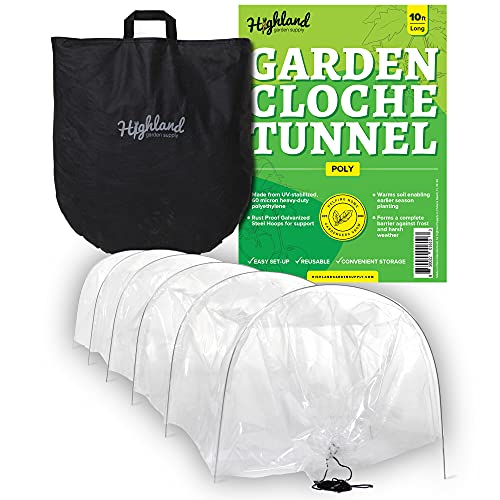
ALL-IN-ONE DESIGN. This complete Garden Cloche Tunnel comes assembled with 6 hoop stakes & a drawstring to open and close the access points. Accessible from either end & folds accordion style to allow access to any part of your garden row with ease!

Garden hoops kit--though it is simple in design, it's so practical when you use it,garden bed hoop
Irrigation Management
To ensure the optimal growth of your post-potato crops and extend your growing season successfully, it’s essential to pay close attention to irrigation. Water is a crucial element for plant development, especially during periods of increased heat or drought stress. Here are some practical tips for effective irrigation management:
- Monitor Soil Moisture: Regularly check the moisture levels in the soil by inserting your finger into the ground near the plants. If the soil feels dry to a depth of about an inch (2.5 cm), it’s time to water.
- Use Mulch: Applying mulch around your plants helps retain soil moisture, reduce evaporation, and regulate soil temperature. Organic mulches like straw, grass clippings, or shredded leaves can be beneficial additions to your garden beds.
- Watering Schedule: Establish a consistent watering schedule based on plant requirements and environmental conditions. Early morning watering is often recommended to minimize water loss through evaporation.
Pest Control Strategies
Pests can pose a significant threat to your extended growing season efforts after potatoes. Implementing effective pest control strategies is key to protecting your crops and maximizing yields without relying on harsh chemicals that may harm beneficial insects or contaminate produce. Here are some practical pest control tips:
- Companion Planting: Utilize companion planting techniques by interplanting certain crops that naturally repel pests with your main vegetables. For example, marigolds can deter nematodes, while basil repels mosquitoes and flies.
- Handpick Pests: Regularly inspect your plants for any signs of pest infestations and manually remove them when feasible. This hands-on approach can help prevent minor pest issues from escalating into larger problems.
- Natural Predators: Encourage natural predators like ladybugs, lacewings, or birds that feed on common garden pests such as aphids or caterpillars. Providing habitats like birdhouses or planting nectar-rich flowers can attract these beneficial organisms to your garden.
By implementing proper irrigation management techniques and adopting proactive pest control strategies in your gardening routine after harvesting potatoes, you’ll set yourself up for a successful extended growing season with bountiful harvests and healthy plants.
Conclusion
You’ve learned about the benefits of planting after potatoes to extend your growing season and optimize harvests. Crop rotation is key for soil health, so choose complementary crops wisely. Fast-growing veggies like radishes and arugula are great choices post-potato harvest. Don’t forget to replenish the soil with natural fertilizers and organic matter for a fertile garden. Manage irrigation and pests naturally to ensure healthy plants and bountiful harvests all season long. Happy gardening!
Frequently Asked Questions
What are the benefits of planting after potatoes?
Planting after potatoes allows you to extend the growing season and maximize harvests by nurturing plants beyond the usual limits.
Why is crop rotation important after potatoes?
Crop rotation after potatoes is crucial for maintaining soil health and optimizing harvests. It involves choosing complementary crops, such as root vegetables, leafy greens rotation, and cover crops.
Which crops are recommended to grow after potatoes?
Fast-growing vegetables like radishes and arugula are recommended to grow after potatoes as they ensure a continuous supply of fresh produce.
How can I enrich the soil post-potato harvest?
Enrich the soil post-potato harvest by using natural fertilizers like compost or manure, adding organic matter to improve soil structure, retain moisture and nutrients, and support beneficial microorganisms.
