

Are your indoor seedlings looking a bit under the weather? Picture this: you’ve carefully planted your seeds, eagerly awaiting their growth, but they seem to be wilting before your eyes. What could be missing from the equation? The answer might just lie in how you’re watering them.
Key Takeaways
- Understand the water needs of indoor seedlings to prevent issues like wilting or yellowing leaves.
- Select appropriate watering tools such as spray bottles for delicate seedlings and watering cans for mature plants.
- Consider using automated watering systems like self-watering pots or drip irrigation for convenience and optimal moisture levels.
- Water indoor seedlings at the right frequency, timing, and amount to avoid overwatering or underwatering.
- Avoid common mistakes like using cold water and overcrowding seedlings in containers to promote healthy growth.
Understanding Seedling Water Needs
Recommended Products

Accurate Soil Moisture Detection: The XLUX Soil Moisture Meter can tell you if the soil deep inside your pot or garden is dry, moist or wet; whereas your eyes and fingers can only determine the moisture level of the soil surface. The probe is 5.5 inches (14 cm) longer than regular styles, allowing it to measure the soil moisture at the bottom of larger and deeper flower pots.
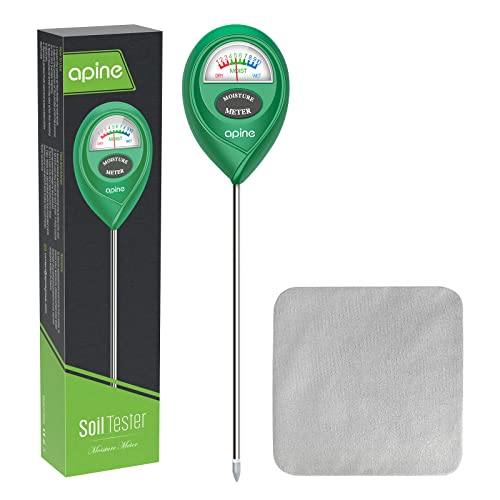
Quick Measurement:Just insert the probe of the plant water meter into the soil about two to four inches,wait a few seconds,you can get the soil moisture immediately.The color division of the dial is simple and clear,and the elderly can easily use it

✔️Accurate - A helpful tool of water meter for indoor plants which senses the moisture in the soil around plants. No more guess if the plant needs more or less water
Identifying Signs of Underwatering
When seedlings are underwatered, they exhibit visible signs that indicate their water needs aren’t being met. Common indicators of underwatering include wilting leaves and dry, crispy edges on the foliage. The soil around the seedlings may also appear parched and pull away from the container’s edges. If you notice these signs, it’s essential to adjust your watering routine promptly to prevent further stress on your plants.
Recognizing Overwatering Symptoms
Overwatering indoor seedlings can be detrimental to their health, causing symptoms that are easily recognizable with a keen eye. Look out for yellowing leaves, especially those that feel mushy or soft to the touch. Additionally, if you observe mold growth on the soil surface or detect a musty odor emanating from your plant containers, these are clear indications of overwatering. Adjusting your watering frequency and ensuring proper drainage can help mitigate these issues effectively.
Remember, understanding the specific water needs of your indoor seedlings is crucial for their overall health and vitality. By recognizing the signs of both underwatering and overwatering, you can adjust your watering practices accordingly to promote optimal growth and development in your precious plants.
Selecting the Right Watering Tools
When it comes to watering your indoor seedlings, choosing the right tools is essential for their health and growth. Let’s explore two common options: spray bottles and watering cans.
Spray Bottles Versus Watering Cans
For delicate seedlings requiring gentle moisture, a spray bottle is ideal. It allows you to control the amount of water dispensed, preventing overwatering and providing a fine mist that mimics natural rainfall. This method is particularly suitable for seeds that need consistent but light watering to germinate.
On the other hand, watering cans are better suited for mature seedlings or plants with more substantial root systems. They offer a larger capacity, reducing the frequency of refills compared to spray bottles. The spout design directs water directly to the soil without disturbing fragile leaves or stems.
Consider using a spray bottle for young seedlings in small containers or trays and switch to a watering can as your plants grow larger and require more water.
Automated Watering Systems
If you’re looking for a hands-off approach to watering your indoor seedlings, automated watering systems can be a game-changer. These systems come in various forms, from simple self-watering pots to advanced drip irrigation setups controlled by timers.
Self-watering pots feature built-in reservoirs that supply water to the plant as needed, reducing the risk of both underwatering and overwatering. They are especially useful if you have a busy schedule or tend to forget regular watering tasks.
Drip irrigation systems use tubing with emitters placed near each plant’s base, delivering precise amounts of water directly where it’s needed. By setting timers on these systems, you can ensure your seedlings receive consistent moisture without manual intervention.
Automated watering systems provide convenience and efficiency while maintaining optimal soil moisture levels for healthy indoor seedling growth.
Techniques for Watering Indoor Seedlings
Recommended Products

Pro Grow Lights with Advanced Chips: Equipped with 56 high-efficiency beads per tray, these LED strips simulate natural sunlight for optimal seedling growth. Adjustable brightness and timer functions let you customize lighting for every plant stage, promoting faster, healthier growth—perfect for herbs, flowers, and more

Pro Grow Lights with Advanced Chips: Equipped with 56 high-efficiency beads per tray, these LED strips simulate natural sunlight for optimal seedling growth. Adjustable brightness and timer functions let you customize lighting for every plant stage, promoting faster, healthier growth—perfect for herbs, flowers, and more

DIY Vacation Self-watering System: Put the one end to a water source, this watering wick will transport water to the other end automatically, and drip within 15 minutes (the practical time depends on the length of the rope you cut off; make this watering rope completely soaked in water before use then it will drip instantly). Easy to make a DIY automatic watering device system, help you care your plants while you are away from home or when you go outside or on business
Frequency and Timing
Watering indoor seedlings at the right frequency and timing is crucial for their growth and health. You should check the moisture level of the soil regularly by feeling it with your fingers. A general rule is to water when the top inch of soil feels dry to the touch. Depending on factors like room temperature, humidity levels, and plant species, you may need to water your seedlings every 2-3 days or adjust as needed.
Amount of Water
When watering indoor seedlings, it’s essential not to overwater or underwater them. The amount of water needed varies based on factors like plant size, container size, and environmental conditions. As a guide, aim to moisten the soil thoroughly without causing waterlogging. One way to ensure proper watering is by using a watering can with a narrow spout for precise pouring or a spray bottle for gentle misting on delicate seedlings.
Remember that establishing a consistent watering routine tailored to your specific indoor environment and seedling types will help you maintain healthy and thriving plants. By observing your seedlings closely and adjusting your watering techniques accordingly, you’ll set them up for successful growth.
Common Mistakes to Avoid
Using Cold Water
When watering indoor seedlings, avoid using cold water straight from the tap. Cold water can shock the delicate roots of seedlings and hinder their growth. It’s best to let the water sit for a while at room temperature before using it on your plants. This allows the water to reach a more plant-friendly temperature, ensuring that your seedlings receive nurturing hydration without any adverse effects.
Overcrowding Seedlings
One common mistake many beginners make is overcrowding seedlings in a single container. While it may seem efficient to consolidate them, overcrowding can lead to competition for resources like sunlight, water, and nutrients. This overcrowding can weaken the individual seedlings and stunt their growth. To avoid this issue, ensure that each seedling has adequate space to grow and thrive by transplanting them into separate containers if needed.
By being mindful of these common mistakes when watering your indoor seedlings, you can help promote healthy growth and ensure that your plants flourish in their environment.
Conclusion
Ensuring the health of your indoor seedlings is all about mastering the art of watering. By recognizing the signs of underwatering and overwatering, you can adjust your watering routine to meet their specific needs. Remember to check soil moisture regularly and water when the top inch is dry. Tailoring your watering schedule to your indoor environment and seedling types will set you up for success. Don’t forget to use the right tools, like watering cans or spray bottles, for gentle care. Avoid common mistakes such as using cold water or overcrowding seedlings in one container. With these tips in mind, you’ll be on your way to fostering thriving indoor plants that bring joy and beauty into your home. Happy gardening!
Frequently Asked Questions
What are the signs of underwatering indoor seedlings?
Underwatering indoor seedlings can cause wilting leaves and dry edges.
How can I identify overwatering in indoor seedlings?
Overwatering may lead to yellowing leaves, mold growth, and a musty odor.
What should I consider when adjusting my watering routine for indoor seedlings?
Adjust watering based on signs of over or under-watering, check soil moisture regularly, and water when the top inch of soil is dry.
Why is it important to tailor watering routines for specific indoor environments and seedling types?
Tailoring watering routines ensures successful growth by meeting the unique needs of different plants and environmental conditions.
Which tools are recommended for watering indoor seedlings effectively?
Watering cans, spray bottles, and automated watering systems are recommended for precise and convenient watering.
