

Ever wondered about the distinction between manure and compost in your gardening endeavors? Picture this: you’re tending to your garden, aiming for lush, thriving plants, but you’re unsure whether manure or compost is the key to achieving those verdant results. It’s a common conundrum faced by many garden enthusiasts like yourself.
Understanding the dissimilarity between manure and compost is crucial for maximizing your gardening efforts. In this article, we’ll simplify the disparity between these two soil enhancers so that you can make informed decisions for your garden. Let’s explore how choosing the right organic matter can significantly impact the health and vitality of your plants.
Key Takeaways
- Manure is organic matter from animal waste, rich in essential nutrients like nitrogen, phosphorus, and potassium, while compost is decomposed organic matter made from kitchen scraps and yard waste.
- Manure is produced through the decomposition of animal waste, while composting involves controlled decomposition of organic materials like kitchen scraps and leaves.
- Manure has higher concentrations of primary nutrients compared to compost but may require aging before application; compost reaches maturity faster due to regulated decomposition.
- Both manure and compost have positive impacts on soil fertility but improper handling of manure can lead to environmental issues such as nutrient runoff; composting reduces landfill waste and promotes healthier soils.
Understanding Manure and Comprised
What Is Manure?
Manure is organic matter that comes from animal waste. It’s a valuable source of nutrients for plants, containing essential elements like nitrogen, phosphorus, and potassium. Using manure in your garden can improve soil fertility and help enhance plant growth.
What Is Compost?
Compost is decomposed organic matter made from kitchen scraps, yard waste, and other biodegradable materials. It’s rich in humus and beneficial microorganisms that enrich the soil. Compost helps retain moisture, suppress diseases, and promote healthy root development in plants.
By understanding the distinctions between manure and compost, you can make informed choices to optimize your gardening practices for healthier and more vibrant plants.
Production Processes
How Manure Is Produced
Manure is typically produced through the decomposition of animal waste. Livestock such as cows, pigs, and chickens excrete waste that includes a mixture of manure and bedding materials like straw or sawdust. This waste is collected from barns or pens and stored in designated areas to undergo natural decomposition processes. Over time, microorganisms break down the organic matter in the manure, transforming it into a nutrient-rich material suitable for enhancing soil fertility.
How Compost Is Made
Compost production involves the controlled decomposition of organic materials such as kitchen scraps, yard waste, leaves, and grass clippings. To create compost, you can start by layering green (nitrogen-rich) and brown (carbon-rich) materials in a compost bin or pile. Microorganisms like bacteria and fungi then begin breaking down these materials aerobically, resulting in the formation of humus—a dark, crumbly substance rich in nutrients.
By understanding how manure and compost are produced, you can appreciate the distinct processes involved in harnessing their benefits for your gardening endeavors.
Key Differences Between Manure and Compost
Recommended Products

Feed the soil not the plants - stimulate microbial activity in your soil and boost probability of success with all types of plants… like composting but faster

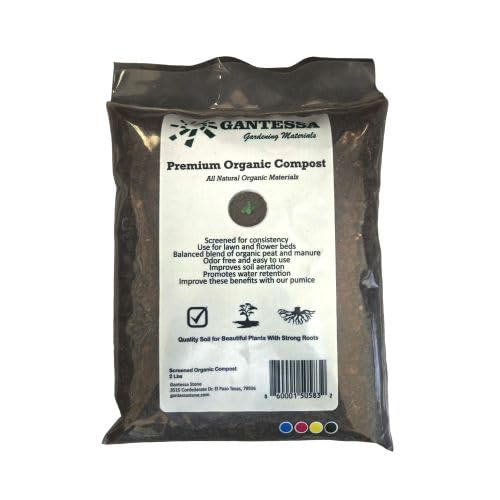
NUTRIENT-RICH GROWTH: Premium cow manure compost packed with nitrogen, calcium, and iron. This organic compost fertilizer enriches soil, boosts microbial life, and supports bigger vegetables, greener lawns, and thriving flowers.

Nutrient-Rich Organic Compost for Healthy Soil: Support stronger plant growth with this premium organic compost made from dairy cow manure. This all purpose soil amendment helps replenish essential nutrients often depleted after harvests, making it ideal for vegetable gardens, fruit trees, flowers, lawns and container plants.
Nutrient Content Comparison
Manure and compost differ significantly in their nutrient content. Manure, derived from animal waste, is rich in essential nutrients like nitrogen, phosphorus, and potassium. These nutrients play a crucial role in enhancing soil fertility and promoting healthy plant growth. On the other hand, compost, which originates from decomposed organic matter such as kitchen scraps and yard waste, contains humus—a vital component that enriches the soil structure.
For example:
- Manure: A bag of cow manure typically contains around 1% nitrogen, 1% phosphorus, and 1% potassium.
- Compost: In comparison, compost may have lower concentrations of these primary nutrients but offers additional benefits like improved soil structure and increased microbial activity.
Understanding the distinct nutrient profiles of manure and compost can help you choose the right amendment for your specific gardening needs.
Decomposition and Application Timelines
The processes of decomposition for manure and compost vary in terms of timelines and application methods. Manure undergoes natural decomposition through the breakdown of animal waste over time. This decomposition process can be accelerated by proper management practices to ensure its effectiveness when applied to the soil.
In contrast, composting involves a controlled decomposition process where organic materials are actively managed to facilitate quicker breakdown into nutrient-rich humus. Compost reaches maturity faster than raw manure due to this regulated decomposition method.
- Manure: Fresh manure should ideally be aged or cured for several months before use to allow harmful pathogens to break down.
- Compost: Well-made compost can be ready for application within a few weeks to a few months, depending on factors such as temperature, moisture levels, and aeration during the composting process.
By understanding the differences in decomposition timelines between manure and compost, you can effectively plan your soil amendment strategies for optimal gardening results.
Environmental Impact
Recommended Products

Organic compost starter speeds up the composting process and is ideal for outdoor compost piles
Manure Compost

Grow Bigger, Tastier Crops: Biochar Blend improves plant health, boosts yields, and delivers long-term benefits with just one application.
Effects of Manure on the Environment
When it comes to the environmental impact, manure can have both positive and negative effects. On the positive side, using manure as a soil amendment can help enhance soil fertility by providing essential nutrients like nitrogen, phosphorus, and potassium to plants. This nutrient-rich organic material improves soil structure and promotes healthy plant growth. However, improper handling or overapplication of manure can lead to environmental issues such as nutrient runoff into water sources. Excessive nutrients in water bodies can cause algal blooms, leading to oxygen depletion and harm to aquatic life.
Effects of Compost on the Environment
Compost also plays a significant role in environmental sustainability. By recycling organic waste through composting, you not only reduce landfill waste but also create a valuable resource for enriching soils. Compost helps retain moisture in the soil, reduces erosion, and suppresses plant diseases naturally. Additionally, using compost can decrease the reliance on chemical fertilizers that may have harmful effects on ecosystems when overused. Overall, incorporating compost into gardening practices contributes to healthier soils and minimizes environmental impacts associated with conventional farming methods.
By understanding how manure and compost affect the environment, you can make informed decisions about which soil amendment aligns best with your gardening goals while minimizing negative consequences on the ecosystem around you.
Practical Applications in Agriculture
Using Manure as a Fertilizer
When it comes to utilizing manure as a fertilizer in agriculture, you’ll find that it’s a valuable resource due to its rich nutrient content. Farmers and gardeners have long relied on manure from animals like cows, horses, and chickens to enhance soil fertility. By incorporating manure into the soil, you’re providing essential nutrients such as nitrogen, phosphorus, and potassium that are vital for plant growth.
To make the most of manure as a fertilizer, ensure proper application techniques. Spread a layer of well-aged manure over your garden beds or fields before planting to allow time for the nutrients to break down and become available to plants. It’s crucial not to apply fresh manure directly onto plants as it can burn them due to its high ammonia content.
Using Compost in Gardening
Compost is a versatile gardening tool that offers numerous benefits for improving soil health and plant growth. When using compost in gardening, you’re not only recycling organic waste but also enriching the soil with essential nutrients and beneficial microorganisms. Compost contains humus – a stable form of organic matter that helps improve soil structure, retain moisture, and promote healthy root development.
To effectively incorporate compost into your gardening practices, consider creating your own compost pile using kitchen scraps, yard waste, and other organic materials. Once the compost is ready – indicated by its dark color and earthy smell – mix it into the soil or use it as a top dressing around existing plants. The organic matter in compost gradually releases nutrients into the soil, supporting long-term plant health and reducing the need for synthetic fertilizers.
Conclusion
You now grasp the distinction between manure and compost in gardening. Manure, rich in essential nutrients, is sourced from animal waste, while compost, derived from organic matter, contains humus and beneficial microorganisms. Understanding their roles can help you optimize soil fertility and plant growth. By utilizing manure as a nutrient-rich fertilizer and compost as a versatile tool for enriching soil health, you can make sustainable choices for your garden. Incorporating these organic materials not only benefits your plants but also reduces the need for synthetic fertilizers, contributing to a healthier environment. Embrace the power of manure and compost in your gardening practices to nurture thriving plants and cultivate vibrant ecosystems.
Frequently Asked Questions
What is the difference between manure and compost in gardening?
Manure is derived from animal waste and contains essential nutrients like nitrogen, phosphorus, and potassium. Compost, on the other hand, is made from decomposed organic matter and consists of humus and beneficial microorganisms.
How are manure and compost used in agriculture?
Manure serves as a valuable fertilizer due to its nutrient richness but requires careful application to prevent plant damage. Compost acts as a versatile gardening tool that recycles organic waste while enriching soil with nutrients and microorganisms for healthy plant growth.
Why is it important to understand how to use manure and compost effectively?
Understanding proper usage of manure and compost helps improve soil health, reduces reliance on synthetic fertilizers, and empowers gardeners to make informed decisions benefiting their gardens and the environment.
