

Have you ever wondered if you can grow romaine lettuce year after year? Many gardeners face this question when planning their vegetable patches. It’s frustrating to put in all that effort for a crop that only lasts a season.
Key Takeaways
- Romaine lettuce is classified as an annual vegetable, meaning it completes its lifecycle in one growing season and needs to be reseeded each year.
- The lifecycle of romaine lettuce involves planting seeds, growing for 70 to 80 days, and harvesting prior to bolting, after which the plants do not regrow.
- Unlike perennials, which regrow year after year, annuals like romaine need to be planted anew each season for fresh crops.
- Ideal growing conditions for romaine include cool temperatures (60°F to 70°F), well-drained soil, and at least six hours of sunlight daily.
- Successful cultivation practices include proper soil preparation, regular watering, fertilization, and pest management, enabling gardeners to enjoy fresh romaine throughout the growing season.
- Romaine lettuce is not only easy to grow but also offers significant nutritional benefits, being rich in vitamins A, K, and C, along with fiber, making it a great addition to a healthy diet.
Understanding Romaine Lettuce
Romaine lettuce often raises questions about its classification and growth patterns. Many gardeners wonder if they can cultivate it as a perennial plant.
Botanical Classification
Romaine lettuce, a member of the Asteraceae family, belongs specifically to the Lactuca sativa species. This species includes various common types of lettuce. Romaine is recognized for its tall, crisp leaves and sturdy texture. Its classification firmly places it among annual vegetables rather than perennials.
Lifecycle of Romaine Lettuce
Romaine lettuce functions primarily as an annual. You plant seeds, which germinate and grow into mature plants within approximately 70 to 80 days. Harvesting typically occurs before the plants bolt, which means they prematurely produce flowers. Once cultivated in spring or early fall, romaine lettuce usually yields one crop per season. When the plants reach maturity, they do not regrow; they need reseeding for fresh crops.
Perennial vs. Annual Plants
Understanding the distinction between perennial and annual plants helps clarify the lifecycle of romaine lettuce. Annual plants complete their lifecycle in one growing season, while perennials live for multiple years.
Recommended Products

🥬 Heat-Tolerant Upright Romaine: Jericho Romaine Lettuce (Lactuca sativa) forms tall, sturdy heads with crisp ribs and tender, mildly sweet leaves. Known for its strong heat tolerance compared to many romaine varieties, it grows 18–24 inches tall and delivers reliable harvests in extended spring and early summer conditions.


Red Romaine: Features vibrant red-tinged leaves with green bases, offering a mild, slightly sweet flavor and crisp texture ideal for salads and garnishes.
Definitions and Differences
Annual plants, like romaine lettuce, germinate, grow, flower, and die within one season. You plant seeds in spring, watch them develop over several months, and harvest them before winter. Perennial plants, in contrast, regrow each season from their root systems. They establish roots, produce foliage and flowers year after year, without needing to be replanted.
Examples of Perennial Vegetables
Some common perennial vegetables include:
- Asparagus: Requires planting once, producing spears for up to 20 years.
- Rhubarb: Grows year after year, thriving for about 10 to 15 years.
- Artichokes: Produces edible buds for several years once established.
- Chives: Offers fresh herbs each spring and summer, returning annually.
Recognizing these differences can guide you in your gardening choices, whether you prefer the quick yield of annual crops or the longevity of perennials.
Is Romaine Lettuce a Perennial?
Romaine lettuce isn’t a perennial. It belongs to the category of annual vegetables. This means you plant seeds each season, grow the plants over 70 to 80 days, and harvest before they bolt. Once harvested, you need to reseed for the next crop.
Recommended Products

🥬 Winter Density Lettuce: 65 days until Maturity. Latin Name: Lactuca sativa. Open Pollinated. The plant produces heavy yields of dark green romaine lettuce. Leaves are tightly folded and have a delicious sweet flavor. Lettuce retains its crisp sweetness best when harvested in the morning.
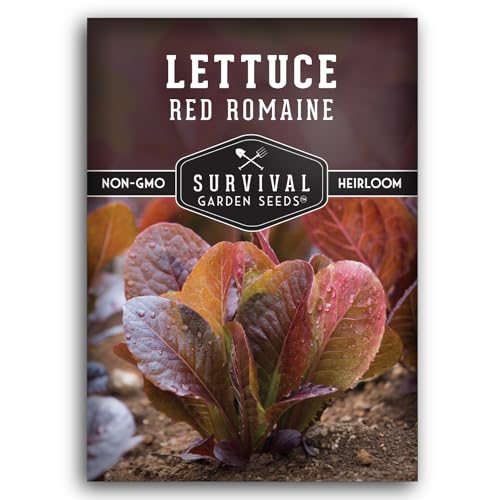
RED ROMAINE SEEDS FOR PLANTING – Striking lettuce has burgundy-to-ruby red leaves with crisp green hearts create a bold contrast in the garden and add vibrant color and flavor to Caesar salad and other dishes

High Germination: Proudly grown in the USA, these romaine lettuce seeds(Lactuca sativa ) bring healthy, natural goodness straight to your garden. Enjoy consistent sprouting with premium-quality Parris Island Romaine Lettuce seeds that grow fast and strong, whether indoors or outdoors.
Growing Conditions
Romaine lettuce thrives in cool weather with temperatures ranging from 60°F to 70°F. Start seeds indoors six to eight weeks before the last frost or sow seeds directly in the garden after the frost threat passes. Ensure well-drained, fertile soil enriched with organic matter. Keep the soil consistently moist but not waterlogged. Lightning up the growth with at least six hours of sunlight daily encourages robust foliage.
Cultivation Practices
To cultivate romaine lettuce successfully, follow these steps:
- Soil Preparation: Test the pH, aiming for 6.0 to 6.8, and amend the soil with compost or well-rotted manure.
- Seed Sowing: Drill seeds ½ inch deep, spaced about 12 inches apart. Thin seedlings to 8 to 10 inches once they develop two true leaves.
- Watering: Water plants deeply, one to two inches per week. Drip irrigation or soaker hoses work well to maintain consistent moisture.
- Fertilization: Apply a balanced fertilizer two to three weeks after seedlings emerge. Follow package instructions for application rates.
- Pest Management: Monitor for common pests like aphids and caterpillars. Use insecticidal soap as needed or introduce beneficial insects like ladybugs.
- Harvesting: Harvest leaves from the outside as needed, or cut the entire head about 1 inch above the soil line when it reaches full size.
By following these practices, you can enjoy fresh romaine lettuce all season long, even though you’ll need to replant for future harvests.
Benefits of Growing Romaine Lettuce
Growing romaine lettuce offers many advantages. Not only does it provide fresh produce for your meals, but it also boasts significant health benefits and is simple to cultivate.
Recommended Products

Complete Lettuce Garden Starter Kit Indoor – 5 heirloom salad and green seed packets, 8 biodegradable soil disks, 8 plant markers, and 8 starter pots. Romaine, Spinach, Arugula, Kale and Buttercrunch lettuce heirloom seeds are the star of the set!

High Germination Rate: Enjoy a plentiful harvest with our Romaine Lettuce seed pod featuring excellent germination. Fresh, reliable seeds sourced from USA ensure quick sprouting and healthy growth.

Heirloom Non-GMO Seeds: seed pod kit contains 6 kinds of lettuce seeds, they are Red&Green Leaf Lettuce, Romaine, Butter Head, Bibb Lettuce, Boston Lettuce, Buttercrunch Lettuce. Various kinds of lettuce seeds, each one is rich in nutritional value. 100% Non-GMO, open pollinated
Nutritional Value
Romaine lettuce is rich in essential nutrients. One cup of shredded romaine contains:
- Calories: 15
- Fiber: 1 gram
- Vitamin A: 74% of the Recommended Daily Value (DV)
- Vitamin K: 60% of the DV
- Folate: 12% of the DV
- Vitamin C: 5% of the DV
These nutrients promote eye health, support bone density, and aid in blood clotting. Including romaine in your diet enhances overall well-being while providing a low-calorie option for salads and wraps.
Growth Ease
Growing romaine lettuce is relatively straightforward, making it suitable for both novice and experienced gardeners. Follow these steps for successful cultivation:
- Choose Your Location: Select a sunny spot with at least six hours of sun daily.
- Prepare the Soil: Use well-drained, fertile soil enriched with organic matter.
- Plant Seeds: Sow seeds directly in the ground or in pots, spacing them 12 inches apart.
- Water Regularly: Keep the soil consistently moist but not soggy.
- Fertilize as Needed: Use a balanced fertilizer every few weeks to promote growth.
- Monitor for Pests: Check for aphids and slugs, and manage them promptly.
With attention to these practices, you can enjoy a bountiful harvest of crisp, fresh romaine lettuce.
Conclusion
Romaine lettuce may not be a perennial plant but it brings a lot of joy to your garden each season. With its crisp texture and rich nutrients it’s a fantastic choice for fresh salads and healthy meals. By understanding its lifecycle and following the right cultivation practices you can enjoy bountiful harvests year after year.
Remember to plant your seeds in the right conditions and keep an eye on them throughout their growth. While you’ll need to reseed for each new crop the effort is well worth it for that fresh crunch. Happy gardening and may your romaine thrive!
Frequently Asked Questions
Can I grow romaine lettuce year after year?
Romaine lettuce is an annual vegetable, meaning it completes its lifecycle in one growing season. After harvesting, it does not regrow. Therefore, you will need to reseed each season to enjoy fresh romaine.
How long does it take for romaine lettuce to grow?
Romaine lettuce typically takes about 70 to 80 days from seed germination to maturity. This timeframe allows you to harvest before the plants bolt and lose quality.
What are the ideal growing conditions for romaine lettuce?
Romaine lettuce thrives in cool temperatures between 60°F and 70°F, well-drained fertile soil, and requires at least six hours of sunlight daily for optimal growth.
What should I do if my romaine lettuce bolts?
If your romaine bolts, it’s best to harvest the remaining leaves before they become bitter. After bolting, the plant will not produce new growth, so plan to reseed for future crops.
What are some benefits of growing romaine lettuce?
Romaine lettuce is low in calories and packed with nutrients like vitamins A, K, and C. It’s easy to grow, making it a great addition to your garden and meals.
