

Have you ever wondered if you can plant lettuce next to your tomatoes? If you’re looking to maximize your garden space, companion planting can be a game-changer. But not all plants get along, and knowing which ones do can save you time and effort.
Key Takeaways
- Companion Planting Benefits: Planting lettuce next to tomatoes promotes healthy growth, maximizes garden space, enhances pest control, and encourages biodiversity.
- Growth Habits Consideration: Lettuce and tomatoes occupy different vertical spaces, minimizing competition for sunlight, making them an ideal pairing.
- Water and Temperature Needs: Monitor moisture levels to cater to both plants’ needs, as lettuce requires consistent moisture while tomatoes prefer drier conditions. Consider planting them during spring or fall when temperatures suit both.
- Pest Management Advantages: Tomatoes can deter pests that threaten lettuce, reducing the need for pesticides and promoting plant health.
- Potential Challenges: Be mindful of resource competition, temperature preferences, and the possibility of pest attraction from tomatoes.
- Best Planting Practices: Use rich, well-draining soil, provide adequate spacing, and ensure both plants receive sufficient sunlight to optimize growth.
Understanding Companion Planting
Companion planting couples plants that thrive together, enhancing growth and yielding greater harvests. Knowing the right plant combinations boosts efficiency in your garden.
Benefits of Companion Planting
- Pest Control: Certain plants repel pests. For example, basil planted near tomatoes deters hornworms.
- Nutrient Enhancement: Some plants improve soil health. Planting legumes, such as beans, enriches the soil with nitrogen.
- Space Optimization: Mixing plants allows for effective use of garden space. Leafy crops like lettuce can grow well in the shade of taller plants like tomatoes.
- Biodiversity Promotion: Diversity fosters resilience. A varied garden attracts beneficial insects, improving overall plant health.
Importance of Plant Compatibility
Choosing compatible plants ensures they support each other’s growth. Timing and environmental needs play crucial roles.
- Growth Habits: Consider height and spread. Tall plants should not overshadow shorter ones.
- Temperature Needs: Plant cold-tolerant varieties with warm-weather crops. For instance, lettuce thrives in cooler temperatures, making it suitable for planting alongside tomatoes early in the season.
- Water Requirements: Match plants with similar irrigation needs to avoid over- or under-watering any crop. For example, both lettuce and tomatoes prefer consistently moist soil.
- Allelopathy: Some plants release chemicals that inhibit neighbors. Avoid pairing lettuce with crops like celery, which can hinder its growth.
By selecting compatible plants, you optimize growing conditions, leading to healthier plants and better yields.
Can You Plant Lettuce Next to Tomatoes?
Yes, you can plant lettuce next to tomatoes. This combination benefits both plants in various ways, promoting healthier growth and maximizing your garden space.
Recommended Products
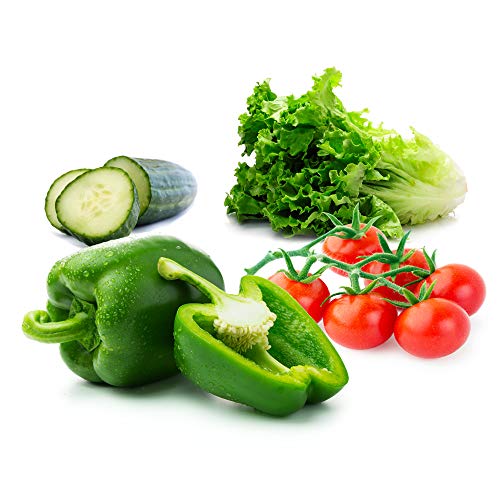
Premium vegetable seeds are grown, harvested and packed in the U.S.A. Romaine lettuce, large red cherry tomato, Sweet bell pepper and Cucumber vegetable seed packets.

PERFECT FOR SMALL SPACES – Tiny Tim’s compact plants thrive on patios, balconies, or sunny windowsills, giving you fresh cherry tomatoes even without a traditional vegetable garden plot
Factors to Consider
- Growth Habits: Lettuce and tomatoes occupy different vertical spaces. Lettuce grows low to the ground while tomatoes grow tall. This arrangement minimizes competition for sunlight.
- Water Needs: Lettuce requires consistent moisture, whereas tomatoes prefer slightly drier conditions. Ensure you monitor the moisture levels to meet both plants’ needs.
- Temperature Tolerance: Lettuce thrives in cooler temperatures while tomatoes prefer warmth. Planting them together works well in spring or fall when conditions suit both.
- Pest Management: Tomatoes can deter harmful pests that affect lettuce, such as aphids and slugs. Healthy tomatoes support a reduced pest presence, benefiting your lettuce crop.
- Leaf Lettuce: This variety grows quickly and can be harvested multiple times, making it an excellent choice to plant among tomatoes.
- Romaine Lettuce: Romaine grows taller than other types of lettuce but doesn’t overshadow tomato plants. It provides a crunchy texture in your dishes.
- Butterhead Lettuce: With its soft leaves, this type grows well in partial shade, which is often provided by taller tomato plants.
- Tomato Companion Flowers: Consider interplanting flowers like marigolds alongside tomatoes and lettuce. These attract beneficial insects while deterring pests.
By carefully considering these factors and variations, you can create a thriving garden that includes both lettuce and tomatoes effectively.
Pros and Cons of Planting Lettuce with Tomatoes
Planting lettuce alongside tomatoes offers various benefits and challenges. Understanding these can help you make informed decisions for your garden.
Recommended Products

Arranging your garden with this in mind can double your bounty!

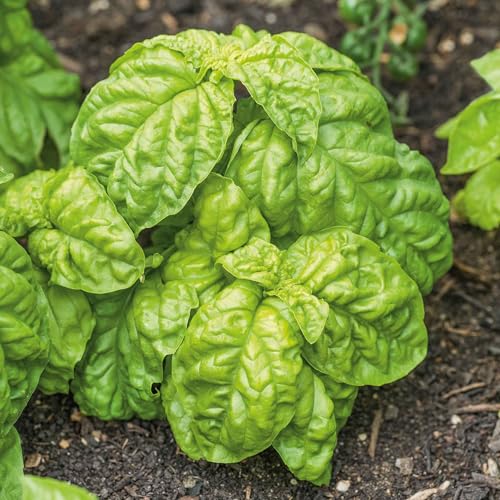
Sweetness subtle enough not to overwhelm other flavors
Advantages of Growing Together
- Space Optimization: Lettuce typically grows low to the ground, allowing you to utilize vertical space effectively. This means more produce from your garden.
- Reduced Pest Pressure: Tomatoes can deter certain pests that might harm lettuce. This natural protection can lead to healthier plants and reduced need for pesticides.
- Diverse Nutrient Use: Lettuce and tomatoes have different nutrient requirements. This variation can help prevent nutrient depletion in the soil, supporting overall plant health.
- Faster Growth Cycle: Lettuce matures quickly, providing a harvest before tomato plants reach full size. This timing maximizes garden productivity.
- Competition for Resources: Both plants need water and nutrients. If not monitored, tomato plants may overshadow lettuce, limiting its growth.
- Pest Attraction: While tomatoes can deter some pests, their fruit can attract others. Be vigilant in managing any pest issues that arise.
- Temperature Sensitivity: Tomatoes thrive in warm conditions, while lettuce prefers cooler temperatures. If your tomatoes overheat, it can affect neighboring lettuce growth.
- Root Space Overlap: Tomatoes develop extensive root systems. This can compete with lettuce for soil nutrients and moisture, especially in smaller garden beds.
Understanding these pros and cons helps in creating a successful garden plan when planting lettuce next to tomatoes.
Best Practices for Planting
Pairing lettuce with tomatoes can yield great results. Here’s how to ensure they thrive together in your garden.
Recommended Products

Quick, at home results for Soil pH, Nitrogen, Phosphorous and Potash Innovative and inexpensive soil test kit features an easy-to-use capsule system and patented color comparators

Comprehensive Soil Analysis: Liquid soil test kits offer a comprehensive analysis of essential soil parameters, including pH, ammonia, nitrogen, phosphorus, and potassium. Having all these measurements in one kit provides a holistic understanding of the soil's fertility and health.

Kindly NOTE: This soil tester can not be applied to test pH value of any other liquid. If the soil is too dry the indicator will not move, and water it before testing.
Soil and Nutrient Requirements
Choose rich, well-draining soil for both plants. Lettuce prefers slightly acidic soil with a pH of 6.0 to 7.0. Tomatoes thrive in a similar pH range. Before planting, amend the soil with compost or well-rotted manure to boost nutrients. Conduct a soil test to confirm nutrient levels. Fertilize both plants using an all-purpose fertilizer every few weeks to support healthy growth.
Spacing and Sunlight Considerations
Provide adequate spacing to prevent overcrowding. Space lettuce 8 to 12 inches apart and allocate 18 to 24 inches for tomatoes. This arrangement allows for airflow and helps reduce the risk of disease. Ensure both plants receive at least 6 to 8 hours of sunlight daily. If sun exposure is limited, consider using taller tomato varieties to provide some shade for the lettuce during the hottest parts of the day.
Conclusion
Planting lettuce next to tomatoes can be a rewarding experience if you keep a few key factors in mind. By focusing on soil quality and proper spacing you can create a thriving environment for both plants. Remember to monitor their growth and make adjustments as needed to ensure they’re getting enough sunlight and nutrients.
With a little care and attention you can enjoy a bountiful harvest of fresh lettuce and juicy tomatoes right from your garden. Happy planting!
Frequently Asked Questions
What are the benefits of companion planting lettuce and tomatoes?
Companion planting lettuce with tomatoes offers several benefits. It optimizes space in your garden, as both plants have different growth habits. Additionally, tomatoes can help shade lettuce, preventing bolting in warmer weather. It also enhances pest control, as the two plants can repel different pests, leading to healthier crops.
What challenges can arise from planting lettuce and tomatoes together?
While there are benefits, challenges include potential resource competition, as both plants may compete for nutrients and water. Additionally, certain pests attracted to tomatoes could potentially harm the lettuce. Gardeners need to monitor plant health and adjust care accordingly to mitigate these issues.
How can I ensure successful companion planting with lettuce and tomatoes?
To ensure success, focus on quality soil rich in nutrients. Properly space your plants to allow air circulation and sunlight exposure. Monitor water levels to avoid over- or under-watering, and regularly check for pests. Good soil preparation and careful placement will promote healthy growth for both plants.
What is the best soil quality for planting lettuce and tomatoes?
The ideal soil for both lettuce and tomatoes is well-drained, loamy, and rich in organic matter. Aim for a pH level between 6.0 and 7.0. Incorporating compost or other organic fertilizers can improve soil nutrient levels and promote healthy plant growth.
How much sunlight do lettuce and tomatoes need?
Tomatoes thrive in full sun, requiring 6-8 hours of direct sunlight daily. Lettuce, while also preferring sunlight, can benefit from partial shade, especially in hot weather. Planting tomatoes to provide indirect shade can help protect lettuce while still giving both plants adequate sunlight exposure.
