

Have you ever wondered if you can grow fresh lettuce in a grow bag? If you’re short on space or just looking for an easy gardening solution, grow bags might be the answer you need. They offer flexibility and convenience, making it possible to enjoy homegrown greens without a traditional garden.
Key Takeaways
- Grow Bags Are Effective: Growing lettuce in grow bags is a flexible and space-efficient method suitable for small areas such as patios or balconies.
- Choose the Right Bag: Select breathable grow bags made from materials like felt or lightweight plastic, ideally sized at 3 gallons for multiple lettuce plants.
- Soil Matters: Use a high-quality potting mix that retains moisture and drains well, allowing lettuce roots to spread freely.
- Light and Watering Requirements: Provide 12 to 16 hours of daily light and maintain consistently moist soil without overwatering to promote healthy growth.
- Choose Suitable Varieties: Leaf lettuce, romaine, and butterhead varieties thrive in grow bags, offering quick yields and multiple harvests.
- Follow Best Practices: Implement good soil, watering techniques, and pest control strategies to ensure a productive and healthy lettuce harvest in grow bags.
Overview of Growing Lettuce
Growing lettuce in a grow bag offers a flexible and efficient way to cultivate this popular leafy green. Whether you’re limited on space or simply want to enjoy fresh produce at home, grow bags provide an excellent alternative to traditional gardening.
Choosing the Right Grow Bag
Select a grow bag made from breathable materials to ensure proper drainage and air circulation. Fabrics like felt or lightweight plastic work well. Sizes typically range from 1 to 5 gallons. For lettuce, a 3-gallon bag accommodates multiple plants comfortably.
Soil Preparation
Use a high-quality potting mix that retains moisture but drains well. Look for mixes containing compost and vermiculite or perlite. Filling the grow bag to the top allows the roots to spread easily.
Planting Lettuce Seeds
Scatter seeds evenly over the soil surface, spacing them according to the variety you’re planting. Usually, an inch or two apart is ideal. Cover them lightly with soil, about ¼ inch deep. Water gently to moisten the mix without washing the seeds away.
Light Requirements
Lettuce thrives with 12 to 16 hours of light daily. Position your grow bag in a location with full sun, like a balcony or patio. If natural light falls short, consider using grow lights to supplement.
Watering Needs
Keep the soil consistently moist but not waterlogged. Check daily, especially in warm weather, and adjust your watering schedule as needed. A good rule of thumb is to water when the top inch of soil feels dry to the touch.
Harvesting Lettuce
Harvesting time depends on the variety, ranging from 30 to 70 days. Pick outer leaves first, allowing the center to continue growing. This method, known as “cut and come again,” can extend your harvest period.
Common Pests and Diseases
Watch for aphids, snails, and slugs, which can harm lettuce plants. Use organic pest control methods like neem oil or handpicking to manage infestations. Ensure good air circulation to reduce disease risks.
Growing lettuce in a grow bag can yield fresh, delicious greens with minimal space and effort. Follow these steps for a fruitful harvest.
Benefits of Using Grow Bags
Grow bags offer several advantages for cultivating lettuce, making them a practical choice for gardeners. You’ll enjoy enhanced plant growth and productivity when using this innovative gardening solution.
Recommended Products

300G THICKENED FABRIC, BUILT FOR MULTIPLE SEASONS — 300 g/m² non-woven fabric (vs. 200 g/m² or thinner on entry-level bags), so the walls hold their shape when filled and resist tearing at the seams. Each empty bag weighs 4 oz — 16 oz for the 4-pack. Fold flat and store indoors over winter and they are built to be replanted season after season 3.
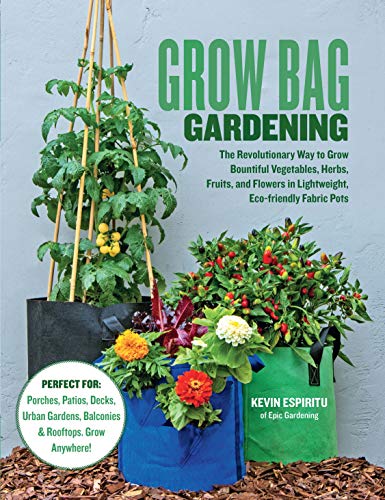

Multi-Regional Planting Design: This growing basin features 3 separate yet interconnected planting zones, enabling flexible cultivation of different plants (vegetables, herbs, flowers) while providing ample space for healthy root growth
Improved Drainage
Improved drainage is a key benefit of grow bags. These bags allow excess water to escape, preventing root rot and excessive moisture that harm plants. Proper drainage promotes healthy root systems, which helps your lettuce thrive. For example, grow bags often feature drainage holes, ensuring that water filters through easily and keeps the soil aerated.
Space Efficiency
Space efficiency makes grow bags ideal for urban gardeners or those with limited areas. When you use them, you can arrange your grow bags on patios, balconies, or even indoors. This flexibility maximizes space, allowing you to grow more lettuce in a smaller footprint. Additionally, grow bags can be moved easily, giving you the option to chase sunlight or shade depending on the plant’s needs.
What Type of Lettuce Can Be Grown in Grow Bags
You can successfully grow several types of lettuce in grow bags, making it easy to enjoy fresh greens in any space. Here’s a breakdown of suitable varieties.
Recommended Products
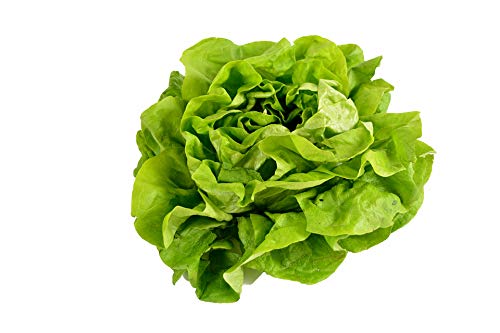
This lettuce is well known for its sweet flavor. Best if harvested in the morning.
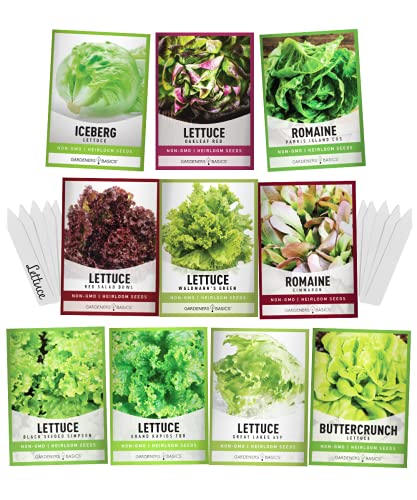
Ten salad greens varieties: Grow Black Seeded Simpson, Buttercrunch, Cimmaron, Grand Rapids, Great Lakes, Iceberg, Red Oakleaf, Parris Island Romaine, Red Salad Bowl, and Waldmann's Green. Each heirloom lettuce variety is packed separately.

YEAR-ROUND GARDEN FAVORITE – Dependable butterhead lettuce that thrives in cool or moderate weather for consistent harvests from spring through fall, even under cover in winter
Leaf Lettuce Varieties
Leaf lettuce varieties thrive in grow bags. They tend to grow quickly and yield multiple harvests. Some popular options include:
- Buttercrunch: This variety offers a crispy texture and sweet flavor. Its compact size suits smaller containers.
- Red Romaine: Beautiful in appearance, this variety combines taste and color. It grows well in a variety of conditions.
- Green Leaf: Known for its vibrant green leaves, it’s versatile and perfect for salads or sandwiches.
These options are forgiving and can tolerate slight changes in temperature or moisture, making them ideal for grow bags.
Romaine and Butterhead Options
Romaine and butterhead types also perform well in grow bags. They provide sturdy and flavorful leaves. Consider these selections:
- Classic Romaine: This traditional variety offers crisp texture and strong flavor. It’s perfect for Caesar salads and wraps.
- Butterhead (e.g., Boston or Bibb): These varieties have softer leaves with a buttery flavor. They’re suitable for both salads and sandwiches.
Both romaine and butterhead lettuces adapt well to container gardening, ensuring a satisfying harvest when grown in grow bags.
Best Practices for Growing Lettuce in Grow Bags
Growing lettuce in grow bags requires specific techniques for optimal results. Following these best practices helps you achieve a successful and healthy harvest.
Recommended Products

HELPS REGULATE SOIL MOISTURE: Miracle-Gro Organic Indoor Potting Soil Mix is an organic potting soil that protects indoor plants against over and under watering

DURABLE AND STURDY: Made of 300G thickened nonwoven fabric, Jorvila grow bags are wear-resistant, washable, easy to clean and reusable; At the end of use, you can simply clean it and fold it up for storage after drying
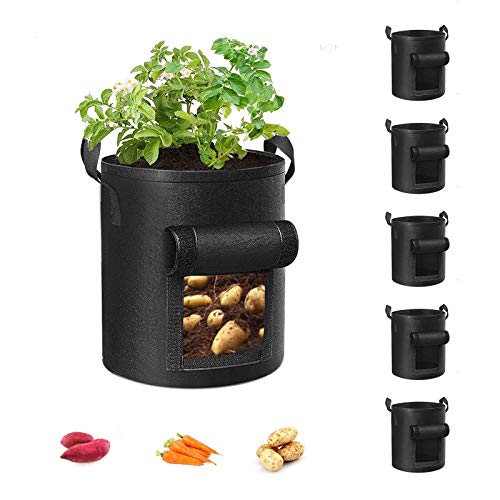
Durable Material: Made of 300g thick non-woven fabric that can be reused for more than 3 years.
Soil Recommendations
Use high-quality potting mix for lettuce in grow bags. Look for a blend designed for container gardening that includes organic matter like compost. This type of soil promotes drainage and retains moisture effectively. Aim for a pH level between 6.0 and 7.0 to ensure optimal nutrient availability. Additionally, consider mixing in slow-release organic fertilizers to provide essential nutrients as the plants grow.
Watering Techniques
Watering practices greatly influence lettuce growth. Keep the soil consistently moist but not soggy. Water the grow bags thoroughly, allowing excess water to drain through the holes. Check moisture levels by sticking your finger about an inch into the soil; if it feels dry, it’s time to water. During hot weather, you may need to water daily. Ensure early morning is your watering time to minimize evaporation and fungal diseases.
Conclusion
Growing lettuce in a grow bag is a fantastic option for anyone looking to maximize their gardening space. With the right soil and watering techniques you can enjoy fresh greens right from your own backyard or balcony.
Whether you’re a seasoned gardener or just starting out you’ll find that grow bags make it easy to cultivate healthy lettuce. So go ahead and give it a try—your taste buds will thank you for the crisp and delicious harvest. Happy gardening!
Frequently Asked Questions
What are the benefits of using grow bags for lettuce cultivation?
Using grow bags for lettuce offers improved drainage and space efficiency, making them ideal for urban gardeners or those with limited space. They support healthy plant growth and increased productivity by preventing root rot through drainage holes.
How do grow bags enhance lettuce growth?
Grow bags enhance lettuce growth by allowing excess water to drain away, preventing root rot. Their breathable fabric promotes airflow, which encourages healthy root development and overall plant vitality.
What type of soil is best for growing lettuce in grow bags?
A high-quality potting mix enriched with organic matter is best for growing lettuce in grow bags. Ensure the mix maintains a pH level between 6.0 and 7.0 for optimal growth.
How often should I water lettuce in grow bags?
Water lettuce in grow bags as needed, checking soil moisture levels regularly. It’s best to water early in the morning to help prevent evaporation and maintain consistent moisture for healthy growth.
Can I grow different lettuce varieties in the same grow bag?
While it’s possible to grow different lettuce varieties in the same grow bag, ensure they have similar growth requirements. This helps maintain even water and nutrient distribution and avoids competition for resources.
