

Wondering when to plant lettuce in Ohio? You’re not alone! Many gardeners face the challenge of timing their planting just right to enjoy a fresh, crisp harvest.
With Ohio’s unique climate, knowing the optimal planting times can make all the difference. Whether you’re a seasoned gardener or just starting out, understanding the best time to sow your seeds will help you grow delicious lettuce that thrives in your backyard.
Key Takeaways
- Optimal Planting Seasons: In Ohio, lettuce can be planted in both spring and fall, taking advantage of cooler temperatures for best results.
- Spring Planting Guidelines: Start seeds indoors 4 to 6 weeks before the last frost (late March to early April), and transplant seedlings outdoors once soil temperatures reach 45°F.
- Fall Planting Tips: For a successful fall harvest, sow seeds indoors by mid to late July or directly in the ground by early August to ensure they mature before the first frost.
- Soil Conditions: Ensure soil is well-drained, enriched with organic matter, and maintain a pH between 6.0 and 7.0 for optimum lettuce growth.
- Watering & Pest Management: Keep the soil consistently moist and monitor for pests like aphids, using organic methods for control.
- Recommended Varieties: Consider fast-growing lettuce types like Butterhead, Loose-Leaf, and Romaine for both spring and fall planting to maximize yields.
Understanding Lettuce Planting Seasons
Lettuce thrives in cooler temperatures, so timing is crucial for successful growth in Ohio. The state has two main planting seasons for lettuce: spring and fall.
Spring Planting
- Start Seeds Indoors: You can begin sowing seeds indoors about 4 to 6 weeks before the last expected frost. In Ohio, this typically falls in late March to early April.
- Transplanting: After the soil temperature reaches around 45°F, usually mid to late April, you can transplant seedlings outdoors.
- Direct Sowing: You can also sow seeds directly into the garden when temperatures are consistently above 50°F. Aim for late April to early May for optimal results.
Fall Planting
- Second Crop Opportunity: You can plant lettuce again in late summer for a fall harvest. Start seeds indoors in mid to late July, or plant seeds directly in the ground by early August.
- Best Conditions: Lettuce does well in cooler weather. Harvest before the first frost, typically by mid to late September in Ohio, to beat the cold temperatures.
- Soil Preparation: Ensure your soil is well-drained and enriched with organic matter. Lettuce prefers soil pH between 6.0 and 7.0.
- Spacing: Space your seeds or transplants about 12 inches apart to allow for proper growth and air circulation.
- Watering: Keep the soil consistently moist but not waterlogged. Lack of moisture can lead to bitter flavors or a complete crop failure.
By understanding the planting seasons and following practical steps, you’ll set yourself up for a successful lettuce garden in Ohio.
Ideal Planting Times In Ohio
Understanding when to plant lettuce in Ohio ensures a healthy and delicious harvest. Focus on spring and fall planting times to optimize your yield.
Recommended Products
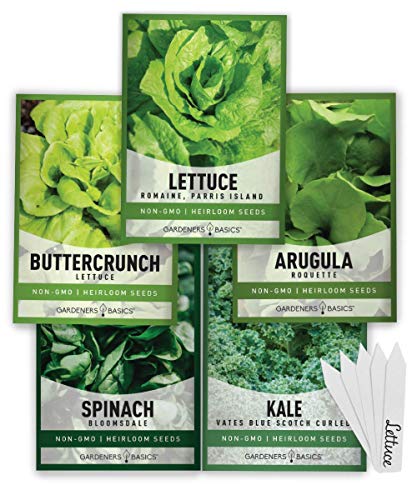
Five leafy greens varieties: Plant Parris Island romaine lettuce seeds, Buttercrunch lettuce seeds, Roquette arugula seeds, Vates Blue Scotch Curled kale seeds, and Bloomsdale spinach seeds. Includes 4,500+ seeds in five separate labeled packets.

4 Popular Heirloom Lettuce Varieties: Includes Red Romaine, Bibb Butterhead, Black Seeded Simpson, and Green Ice lettuce seeds to grow crisp, tender, and colorful salad greens with balanced flavor, texture, and visual appeal.

Miracle-Gro Indoor Potting Mix for Seed Starting grows stronger roots for seeding success (vs unfed when used as directed)
Spring Planting Considerations
In Ohio, spring planting starts once the last expected frost passes. Start your lettuce seeds indoors about 4 to 6 weeks prior, which typically falls between late March and early April. Once the soil temperature reaches 45°F, you can transplant your seedlings outdoors. For direct sowing, wait until soil temperatures consistently hit 50°F, usually around late April to early May. During this time, manage soil moisture carefully; it’s important to keep the soil consistently moist but not soggy.
Fall Planting Considerations
For fall planting, start seeds indoors in mid to late July, or direct sow in early August. Aim for a harvest before the first frost, which occurs in mid to late September. Choosing fast-growing lettuce varieties helps ensure a successful fall crop. Like in the spring, soil moisture and temperature play critical roles; ensure the soil remains well-drained and moist without overwatering. Planting in partial shade can also protect your lettuce from the late summer heat while promoting growth.
Factors Influencing Lettuce Growth
Lettuce growth involves several key factors that significantly impact your success as a gardener in Ohio. Understanding these elements can help you achieve larger and tastier heads of lettuce.
Soil Temperature
Soil temperature plays a critical role in germination and growth. For lettuce seeds, ideal soil temperatures range from 45°F to 70°F.
- Germination occurs best between 60°F and 70°F.
- Soil temperatures below 45°F can delay sprouting, while temperatures above 75°F may hinder growth.
- You can use a soil thermometer for accurate readings.
Planting your seeds when soil temperatures are within this range can lead to quicker germination and healthier plants.
Frost Dates
Frost dates determine your planting window, and knowing these dates is essential for planting lettuce successfully.
- The last expected frost date in Ohio generally falls between late April and early May.
- The first expected frost in fall usually occurs mid to late September.
- You can consult local gardening resources or extension services for specific dates in your area.
By timing your planting around these dates, you ensure that your lettuce avoids frost damage, leading to a more flourishing harvest.
Recommended Lettuce Varieties For Ohio
When selecting lettuce varieties for your Ohio garden, consider options that thrive in the state’s climate. The following varieties offer reliable growth and excellent flavor.
Recommended Products
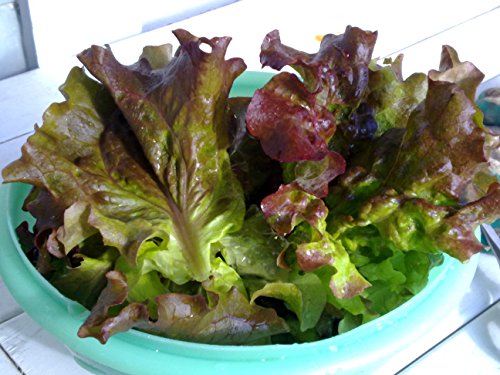
Delicious, flavorful lettuce brings color and zest to salads. The red coloring develops best in cool weather, as does the flavor. A tall variety reaching 9"-12" in height, and 8"-10" wide. This old standby is a must for the home gardener 68 Days for fully-developed head 45 Days for baby head
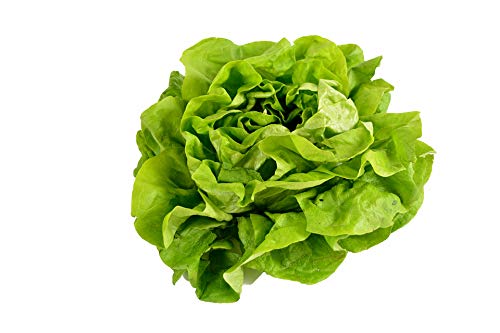
This lettuce is well known for its sweet flavor. Best if harvested in the morning.

Leaf Lettuce Varieties
- Butterhead: Known for its tender leaves and sweet flavor, Butterhead thrives in cooler temperatures. Try ‘Buttercrunch’ for a fast-growing option.
- Loose-Leaf: Varieties like ‘Red Romaine’ and ‘Green Leaf’ are great choices. They mature quickly, allowing for multiple harvests in a season.
Romaine Lettuce Varieties
- California: This variety holds up well in heat, making it suitable for early summer planting. It offers crunchy, flavorful leaves.
- Little Gem: Small but dense, this type grows quickly and can tolerate warmer temperatures. It’s perfect for both spring and fall planting.
Crisphead Lettuce Varieties
- Iceberg: Although it requires more nutrients, Iceberg provides a crunchy texture ideal for salads. Look for early varieties for spring sowing.
- Great Lakes: This variety is slightly more heat-tolerant and suitable for late spring planting. Its round heads form tightly, providing a satisfying crunch.
Specialty Varieties
- Mizuna: This Japanese green adds a unique flavor to salads. It thrives in cooler temperatures and can be harvested multiple times.
- Butterhead Lettuce Mix: A blend of different Butterhead varieties offers diversity in texture and flavor. This mix can create a unique salad experience.
- Opt for fast-growing varieties to increase your chances of a successful harvest, especially in the fall.
- Check seed packets for specific planting times and spacing recommendations.
- Start with a mix of different types to enhance your garden’s diversity and extend your harvest.
Choose these varieties to enjoy fresh, flavorful lettuce throughout the growing season in Ohio.
Tips For Successful Lettuce Cultivation
Recommended Products

Complete Lettuce Garden Starter Kit Indoor – 5 heirloom salad and green seed packets, 8 biodegradable soil disks, 8 plant markers, and 8 starter pots. Romaine, Spinach, Arugula, Kale and Buttercrunch lettuce heirloom seeds are the star of the set!

EASIER SEED STARTING: Our Burpee SuperSeed tray with 8 extra-large flexible pop-out cells is designed to simplify indoor seed starting. Just add seed starting mix, seeds, water and light to get growing! Perfectly sized for starting seeds in the windowsill: 11.5" x 5-3/16" x 2-1/4". Rows are labeled alphanumerically for seedling identification with included Plant-o-Gram diagram.
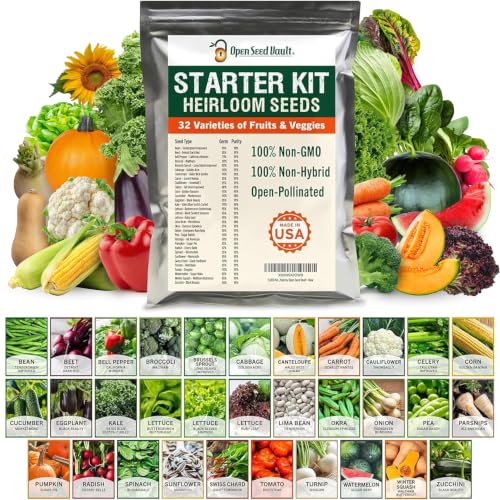
COMPLETE VEGETABLE GARDEN VARIETY PACK – Grow a thriving home garden with 32 popular vegetable seeds including Bean, Beet, Bell Pepper, Broccoli, Brussels Sprout, Cabbage, Cantaloupe, Carrot, Cauliflower, Celery, Corn, Cucumber, Eggplant, Kale, Lettuce (3 types), Lima Bean, Okra, Onion, Pea, Parsnip, Pumpkin, Radish, Spinach, Sunflower, Swiss Chard, Tomato, Turnip, Watermelon, Zucchini. A diverse mix perfect for fresh meals, backyard gardens, and sustainable growing.
Soil Preparation
- Choose well-drained soil.
- Incorporate organic matter, like compost, to improve soil quality.
- Test soil pH, aiming for a level between 6.0 and 7.0.
Seed Selection
- Select quick-growing lettuce varieties.
- Consider Butterhead, Loose-Leaf, Romaine, and Crisphead for diverse flavors and textures.
- Check seed packets for specific planting dates and recommended spacings.
Planting Techniques
- Start seeds indoors 4 to 6 weeks before the last frost for spring planting.
- Transplant seedlings outdoors once soil temperatures hit 45°F.
- For direct sowing, ensure soil temperatures are consistently above 50°F.
Watering Practices
- Keep soil consistently moist but avoid overwatering.
- Use mulch to retain moisture and regulate soil temperature.
- Water early in the morning to prevent evaporation.
Pest Management
- Monitor for common pests like aphids and slugs.
- Apply organic pest control methods when necessary.
- Introduce beneficial insects, such as ladybugs, to support natural pest control.
Harvesting
- Harvest lettuce early for tender leaves.
- Use scissors to cut leaves, leaving the base intact for regrowth.
- Aim to harvest in the morning when leaves are crisp and full of moisture.
- Provide shade in summer to avoid bolting.
- Implement row covers for protection against frost in fall.
- Rotate crops each year to prevent soil depletion and reduce pests.
By following these tips, you can cultivate a thriving lettuce garden, enjoying fresh produce throughout the growing seasons in Ohio.
Conclusion
Timing’s everything when it comes to planting lettuce in Ohio. By keeping an eye on soil temperatures and frost dates you can ensure a bountiful harvest. Remember to start seeds indoors or direct sow at the right times for both spring and fall crops.
With a bit of planning and care your lettuce can thrive in Ohio’s unique climate. So get those hands dirty and enjoy the satisfaction of growing your own fresh greens. Happy gardening!
Frequently Asked Questions
What are the best times to plant lettuce in Ohio?
Lettuce in Ohio can be planted in spring and fall. For spring, start seeds indoors 4 to 6 weeks before the last frost, transplanting outdoors when soil temperatures reach around 45°F. For fall planting, sow seeds directly in early August, ensuring to harvest before the first frost in mid to late September.
How should I prepare the soil for planting lettuce?
To prepare the soil for lettuce, ensure it is well-drained and enriched with organic matter like compost. Test the soil pH, aiming for a level between 6.0 and 7.0. Additionally, maintain good soil moisture without overwatering to promote healthy growth.
What are the ideal temperatures for growing lettuce?
Lettuce grows best in cooler temperatures, with ideal soil temperatures for germination and growth ranging from 45°F to 70°F. Germination is optimal between 60°F and 70°F. It’s essential to plant seeds when soil temperatures are within this range for quicker germination and healthier plants.
Which lettuce varieties do well in Ohio’s climate?
In Ohio, suitable lettuce varieties include Butterhead, Loose-Leaf, Romaine, Crisphead, and specialty types like Mizuna. Choosing fast-growing varieties will enhance your chances of a successful harvest, especially in the fall.
How can I manage moisture while growing lettuce?
To manage moisture levels for lettuce, keep the soil consistently moist but not soggy. Use mulch to retain soil moisture and prevent evaporation. Be vigilant about checking your plants regularly to ensure they are not drying out or getting waterlogged.
What are some pest management strategies for lettuce?
Monitor your lettuce for common pests such as aphids and slugs. Employ organic pest control methods like insecticidal soap or diatomaceous earth and encourage beneficial insects to help manage pests naturally. Regular scouting and prompt action can keep your lettuce healthy.
When is the best time to harvest lettuce?
Harvest lettuce when the leaves are tender and before they mature too much. It’s generally best to cut leaves early using scissors to allow the plant to regrow. Harvesting in the morning can help preserve the lettuce’s freshness and crispness.
