

Ever wondered if the broccoli on your plate is truly natural? Picture this: you’re at the grocery store, eyeing the vibrant green florets. But are they as natural as they seem? In this article, you’ll uncover the truth behind the growth of broccoli.
You might be surprised to learn that not all broccoli is grown the same way. Is the broccoli you’re buying truly naturally grown? Dive into this article to discover the secrets behind the cultivation of this beloved vegetable.
Get ready to unravel the mystery of broccoli growth and gain a deeper understanding of where your food comes from. Let’s explore the journey of broccoli from farm to table and uncover what “naturally grown” really means.
Understanding Broccoli Cultivation
Broccoli cultivation is a fascinating process that involves essential steps to ensure healthy and nutrient-rich produce. Here’s a breakdown of how this beloved vegetable is grown:
- Planting: Broccoli seeds are typically sown indoors and later transplanted to the garden. Ensure that the soil is rich in nutrients for optimal growth.
- Growing Conditions: Broccoli thrives in cool weather with full sun exposure. Adequate watering and well-drained soil are crucial to support its development.
- Maintenance: Regular weeding and pest control are essential to protect broccoli plants from common threats. Monitor for signs of pests and address them promptly.
- Harvesting: Timing is key when harvesting broccoli. Wait until the head is firm and compact before cutting it from the plant.
- Regrowth: After the main head is harvested, don’t discard the plant. Many varieties produce side shoots that can be harvested for an extended growing season.
- Nutrient Absorption: Broccoli is known for its high content of vitamins, minerals, and antioxidants. Its cultivation methods directly impact the nutrient profile of the final product.
By understanding the intricacies of broccoli cultivation, you gain a deeper appreciation for the journey this vegetable takes from seedling to your plate.
Different Growth Methods for Broccoli
When it comes to broccoli cultivation, various methods are used based on the desired outcomes and environmental factors. Here are some commonly used growth methods for broccoli:
- Traditional Outdoor Cultivation: The most common method involves planting broccoli directly in the ground. It thrives in cool weather and requires full sun for optimum growth. This method is suitable for regions with mild climates.
- Container Gardening: Ideal for limited space, you can grow broccoli in containers or pots. This method allows for flexibility in moving the plants to the best sunlit spots.
- Hydroponic Systems: In this method, nutrient-rich water is used instead of soil, providing controlled conditions for growth. It allows for year-round cultivation and can result in faster growth.
- Greenhouse Cultivation: Growing broccoli in a greenhouse offers temperature control and protection from extreme weather conditions. It extends the growing season and enables you to grow broccoli in regions with harsh climates.
- Raised Bed Gardening: By planting broccoli in raised beds, you can ensure well-draining soil and better root development. This method is beneficial for areas with poor soil quality.
- Vertical Gardening: Growing broccoli vertically saves space and provides better air circulation. It can also help reduce pest issues and make harvesting easier.
Enjoy exploring these different growth methods to find the one that suits your needs and space availability.
Recommended Products

🌱 Soilless Hydroponic Growing Design: This microgreens growing kit is a practical hydroponics growing system without soil. Just add water and provide sufficient sunlight, seeds will germinate and grow lush green leaves easily. The sprouting jar kit enables clean indoor home planting for fresh bean sprouts and various greens at home.

INTRODUCING THE EXCITING WAY TO GROW FRESH MICROGREENS EVERY WEEK. No soil, no mess, just add water! Harvest crisp, nutrient-packed microgreens in 7–10 days with no soil, special lights, or daily misting. The easiest way to grow fresh greens on your kitchen counter.

Universal Sprouting Jar Kit for Wide Mouth Mason Jars: Our microgreens growing Kit fit wide mouth mason jars (jars not included). This microgreens growing kit is made for jar hydroponic sprouting
The Role of Organic Farming in Broccoli Production
Organic farming plays a vital role in broccoli production:
- No synthetic pesticides or fertilizers are used, promoting environmental sustainability.
- Natural pest control methods, like introducing beneficial insects, are employed.
- Soil health is prioritized through crop rotation and composting, enriching the soil with nutrients.
You might wonder how organic farming impacts broccoli:
- Higher nutrient content: Organic broccoli can have higher levels of vitamins and antioxidants compared to conventionally-grown.
- No GMOs: Organic broccoli is non-GMO and free from genetically modified organisms.
- Supports biodiversity: Organic farms promote diverse ecosystems, benefitting wildlife and pollinators.
When selecting broccoli, consider choosing organic varieties to support sustainable practices and enjoy the potential health benefits they offer.
Recommended Products
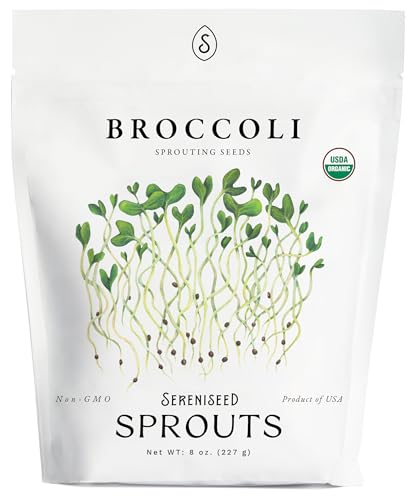
Tested quality. These broccoli sprouting seeds are grown in the USA, non-GMO, open pollinated, certified organic by Oregon Tilth, and tested for pathogens.

GROW NUTRITIOUS BROCCOLI SPROUTS AT HOME: Enjoy vitamin-packed organic broccoli sprouts with Nature Jims' broccoli sprout seeds. Ideal for indoor and outdoor growing, these seeds for sprouting offer fresh, healthy sprouts in no time.
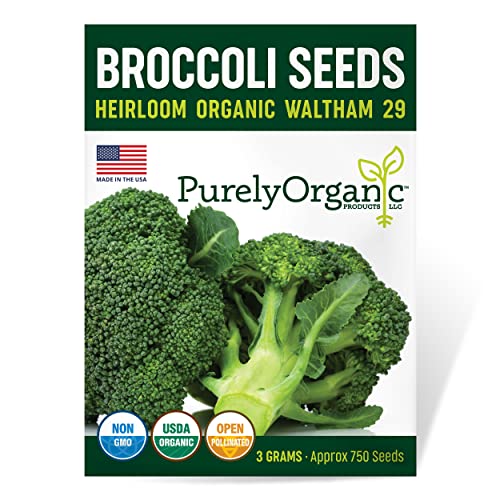
Brassica Oleracea Var. Italica: These finest quality, non-GMO, USDA Organic Waltham 29 Broccoli seeds produce crisp, crunchy, dark greenish-blue florets, leaves and stems that are packed with flavor and vitamins. They’re great on a plate!
Factors Influencing Natural Growth of Broccoli
When it comes to the natural growth of broccoli, several factors play a crucial role in ensuring its optimal development. Understanding these key influences can help you appreciate the effort and care that goes into producing this nutritious vegetable organically.
- Climate: Broccoli thrives in cooler temperatures between 45°F to 75°F and requires consistent moisture levels to flourish. Extreme heat or cold can negatively impact its growth, affecting the quality of the produce.
- Soil Quality: Optimal soil conditions are essential for broccoli cultivation. Well-drained, fertile soil rich in organic matter supports healthy root development and nutrient absorption, contributing to robust plant growth.
- Sunlight Exposure: Adequate sunlight is vital for photosynthesis, the process by which plants convert light into energy. Broccoli typically requires full sun exposure for at least 6 hours a day to maximize its nutrient content.
- Pests and Diseases: Broccoli is susceptible to various pests and diseases that can hinder its growth. Organic farming methods focus on natural pest control and disease prevention to minimize the use of synthetic chemicals.
- Nutrient Availability: Broccoli plants require essential nutrients such as nitrogen, phosphorus, and potassium to support their growth and development. Organic farming practices prioritize soil health to ensure these nutrients are readily available to the plants.
- Varietal Selection: Choosing the right broccoli variety suited to your climate and growing conditions is crucial for successful cultivation. Different varieties may exhibit varying levels of resistance to pests, diseases, and environmental stresses.
By considering these factors that influence the natural growth of broccoli, you can gain a deeper understanding of the methods and practices involved in cultivating this nutritious vegetable sustainably.
Recommended Products

Protect your oasis with Captain Jack's Bt Thuricide Ready-to-Use Spray; this product controls cabbage looper, hornworms, tent caterpillars and more

KILLS LISTED INSECTS THROUGH CONTACT: Spinosad-based formula controls aphids, caterpillars, mealybugs, spider mites, thrips, and 30 listed pests on edible and ornamental plants

Debunking the Myth: Is Broccoli Naturally Grown?
When it comes to the question of whether broccoli is naturally grown, you might have encountered conflicting information. Let’s unravel the truth behind this common misconception.
Some individuals believe that broccoli is a human invention, meticulously crafted through breeding programs. However, the reality is quite different.
Broccoli is a naturally occurring vegetable, belonging to the Brassica oleracea species, along with cauliflower, kale, and cabbage. Through selective cultivation practices over centuries, humans have shaped the broccoli we recognize today, but its origins lie in the wild.
Common Misconceptions About Broccoli Cultivation
- Myth: Broccoli is entirely a man-made creation.
- Reality: Broccoli has natural origins, with human intervention refining its characteristics.
Factors Influencing Broccoli Growth
When exploring the concept of naturally grown broccoli, it’s essential to consider the various factors that influence its development:
- Climate
- Soil quality
- Sunlight exposure
- Pest and disease management
- Nutrient availability
- Varietal selection
Understanding these aspects sheds light on the intricate balance required for optimal broccoli cultivation.
Before delving deeper into the nuances of broccoli growth, let’s first dismantle the myth surrounding its natural origins.
Conclusion
Broccoli, a member of the Brassica oleracea species, is indeed a naturally grown vegetable. Despite human intervention in its cultivation, broccoli maintains its natural origins. By considering factors like climate, soil quality, sunlight exposure, pest control, nutrient availability, and varietal selection, you can ensure successful broccoli growth. Embracing sustainable practices is key to nurturing this nutritious vegetable. Remember, broccoli’s natural essence shines through even as we enhance its characteristics through cultivation. Happy growing!
Frequently Asked Questions
Is broccoli a naturally occurring vegetable?
Yes, broccoli is a naturally occurring vegetable within the Brassica oleracea species. Humans have refined its characteristics through selective cultivation, but it is not a man-made creation.
What are the key factors influencing broccoli growth?
The key factors influencing broccoli growth include climate, soil quality, sunlight exposure, pest and disease management, nutrient availability, and varietal selection.
Why is it important to understand these influences for broccoli cultivation?
Understanding these influences is crucial for sustainable broccoli cultivation practices to ensure optimal growth, yield, and quality of the crop.
