

Ever wondered why broccoli seems to thrive in certain seasons more than others? Picture this: you’re at the market, eyeing those vibrant broccoli bunches, but unsure if it’s the right time to plant them in your garden. Should you wait for the cold weather to set in, or can you start planting now?
What are Cold Weather Crops?
When it comes to gardening, understanding cold weather crops is essential. These are plants that thrive in cooler temperatures and can even withstand frosts. Broccoli is a classic example of a cold weather crop.
Cold weather crops often have better flavor when grown in cooler temperatures as the cold triggers a natural defense mechanism in the plants that results in tastier produce.
Some common cold weather crops to consider planting alongside broccoli include:
- Cabbage
- Kale
- Carrots
- Lettuce
- Spinach
These crops are not only suited for colder temperatures but also provide nutrient-rich additions to your diet.
Characteristics of Broccoli
When it comes to cold weather crops, broccoli is a top contender due to its unique characteristics that make it thrive in cooler conditions.
- High Tolerance: Broccoli has a high tolerance for colder temperatures, making it an excellent choice for early spring and fall planting.
- Flavor Development: With cold exposure triggering a natural defense mechanism, broccoli not only survives but thrives, resulting in a richer and more robust flavor compared to warmer weather growth.
- Nutrient Density: Packed with essential nutrients like vitamin C, vitamin K, and fiber, broccoli is a nutritional powerhouse that benefits from the cooler weather.
Incorporating broccoli into your cold weather garden not only diversifies your produce but also ensures a nutrient-rich harvest that can enhance your overall diet and well-being.
Recommended Products
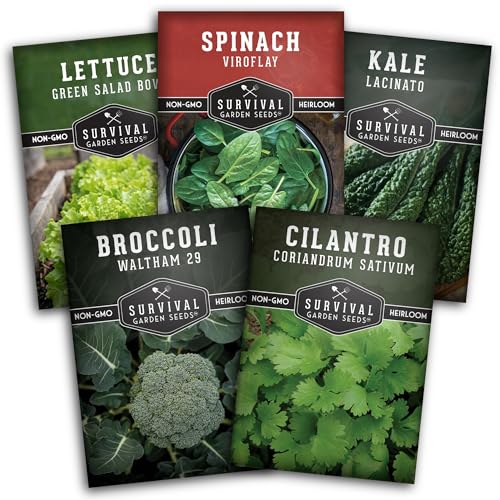
5 COOL SEASON VARIETIES – Includes Broccoli Waltham 29, Kale Lacinato, Lettuce Green Salad Bowl, Spinach Viroflay, and Cilantro for versatile garden harvests

Beautiful - Large premium packet of Waltham 29 Broccoli (Brassica oleracea) seeds. A reliable heirloom that produces 5-6" blue-green heads and an abundance of side shoots. Waltham 29 is adapted for both drought and cold tolerance. Minimum of 750 mg per packet (about 200 seeds).

COLD HARDY SEED PACK: Brave the chill with this 10-pack of cold-tolerant crops! From hearty Champion Collard Greens and Dazzling Blue Kale to sweet Nantes Carrots and vibrant Rouge d'Hiver Lettuce, this collection is perfect for cool-season gardening.
Broccoli’s Preference for Cold Weather
Broccoli thrives in cool temperatures and actually prefers them. When temperatures drop, broccoli plants become more resilient and flavorful. The cold stimulates the plants to convert starches into sugars, which results in a sweeter taste.
Broccoli’s tolerance for cold weather makes it an excellent choice for your fall and winter garden. It can withstand light frost and even tastes better after being exposed to cold temperatures. Planting broccoli in the cool season ensures a bountiful harvest of nutrient-dense and delicious florets for your meals.
To maximize your cold weather gardening, consider companion planting with broccoli. Pairing it with other cold-tolerant vegetables like carrots and lettuce can help create a thriving garden bed that benefits from the shared environment.
Remember to provide your broccoli plants with enough sunlight, moisture, and nutrients to support their growth during the colder months. With the right care and attention, you’ll enjoy a plentiful harvest of crisp and flavorful broccoli straight from your winter garden.
| Cold Tolerance: | Thrives in Cool Temperatures |
|---|---|
| Characteristics: | Converts Starches into Sugars |
| Planting Season: | Ideal for Fall and Winter |
Recommended Products

Brassica oleracea - Open-Pollinated - Non-GMO - 94% Germination Rate with the current lot
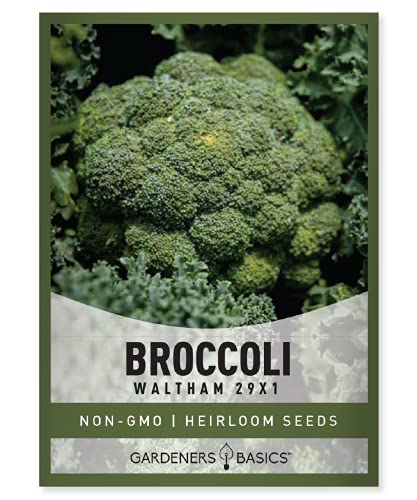
Waltham 29 broccoli: Grow green broccoli heads for steaming, roasting and fresh side dishes. This heirloom variety suits gardeners planning a cool-season vegetable harvest.

Beautiful - Large individual packets of Broccoli Di Cicco, Waltham 29, Early Purple Sprouting, Romanesco, and Green Sprouting Calabrese seeds for some classic veggie favorites.
Benefits of Growing Broccoli in Cold Weather
Growing broccoli in cold weather offers several advantages that can enhance your gardening experience and yield delicious results.
- Enhanced Flavor: Broccoli’s taste actually improves in colder temperatures, as the cold triggers the conversion of starches into sugars, making it sweeter and more flavorful.
- Extended Harvest: Cold weather can prolong the harvest period for broccoli, allowing you to enjoy fresh produce for a longer time compared to warmer seasons.
- Fewer Pests: Many common pests that plague broccoli plants thrive in warm weather. By growing broccoli in colder temperatures, you can reduce the risk of pest infestations.
- Nutrient Retention: Cold weather can help preserve the nutrients in broccoli, ensuring that you’re getting the maximum nutritional benefits from each head.
- Resilient Plants: Broccoli is a hardy vegetable that thrives in cooler conditions, making it an ideal crop for fall and winter gardens.
- Cost-Effective: With the ability to grow broccoli in colder weather, you can save money by extending your gardening season and reducing your reliance on store-bought produce.
So, consider the benefits of growing broccoli in cold weather as you plan your garden for the upcoming seasons.
How to Successfully Grow Broccoli in Cold Weather
Growing broccoli in cold weather requires some specific considerations to ensure a successful harvest. Here are some tips to help you cultivate healthy broccoli in cooler temperatures:
- Choose the Right Varieties: Opt for cold-hardy broccoli varieties that can withstand chilly temperatures.
- Plant at the Right Time: Start your broccoli seeds indoors 6-8 weeks before the last spring frost, or directly sow seeds in late summer for a fall harvest.
- Provide Adequate Sunlight: Broccoli thrives in full sun, so make sure your planting location receives at least 6 hours of sunlight per day.
- Manage Soil Moisture: Keep the soil consistently moist but not waterlogged to promote healthy growth.
- Protect from Frost: Use row covers or cloches to shield young broccoli plants from frost damage.
- Fertilize Regularly: Feed your broccoli with a balanced fertilizer to ensure it receives essential nutrients for growth.
- Watch for Pests: Keep an eye out for pests like aphids and caterpillars, common in cooler weather, and treat infestations promptly.
- Harvest Correctly: Harvest broccoli when the heads are compact and tight to enjoy the best flavor and texture.
By following these steps, you can enjoy a bountiful harvest of delicious broccoli even in colder weather conditions.
Recommended Products
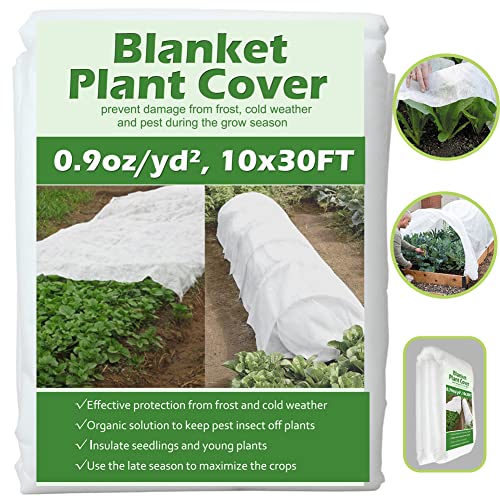
※Big Size to cover large area : The size of our plant cover is 10x30ft, the size can cover large areas. You can cut the plant covers freeze protection into different sizes for different use. You can cover it over the plant such as shrub tomato, pepper, pumpkin, and so on.

※Big Size to cover large area : The size of our plant cover is 10x20ft, the size can cover large areas. You can cut the plant covers freeze protection into different sizes for different use. You can cover it over the plant such as shrub tomato, pepper, pumpkin, and so on.

PRODUCT FEATURES: Our plant covers are ideal for protecting all plant. Made from premium 1.4 oz/sq non-woven fabric, their durability and breathability ensuring both insulation against frost and facilitation of sunlight penetration for healthy plant growth
Conclusion
Growing broccoli in cold weather can be a rewarding experience. By selecting the right varieties, planting strategically, and providing proper care, you can enjoy a bountiful harvest. Remember to keep an eye on soil moisture, protect your plants from frost, and maintain a consistent fertilization schedule. With attention to detail and the right techniques, you can successfully grow broccoli in colder climates. Happy gardening!
Frequently Asked Questions
What are the key tips for growing broccoli in cold weather?
To successfully grow broccoli in cold weather, choose cold-hardy varieties, plant at the right times, ensure adequate sunlight, manage soil moisture, protect from frost with covers, fertilize regularly, monitor pests, and harvest properly.
How can I protect my broccoli from frost in cold weather?
Protect your broccoli from frost in cold weather by covering it with frost cloths, blankets, or plastic covers overnight. Remove the covers during the day to ensure sunlight reaches the plants.
When is the best time to plant broccoli for a cold-weather harvest?
The best time to plant broccoli for a cold-weather harvest is in late summer to early fall, allowing the plants to establish before winter sets in.
