

I’ve noticed that the best edible gardens in small spaces tend to follow the natural flow of how you already use your yard rather than forcing a new layout.
Planting in simple rows or clusters that match the sun patterns usually leads to steadier growth over the seasons.
Trying out a few new bed ideas changed how I harvest in my own garden.
One thing that stands out is how pathways between plants need to stay wide enough for easy watering and weeding without stepping on anything.
Ideas that build on what already works in your space often turn out more reliable than starting from scratch each time.
Grow Edibles on Balcony Railings
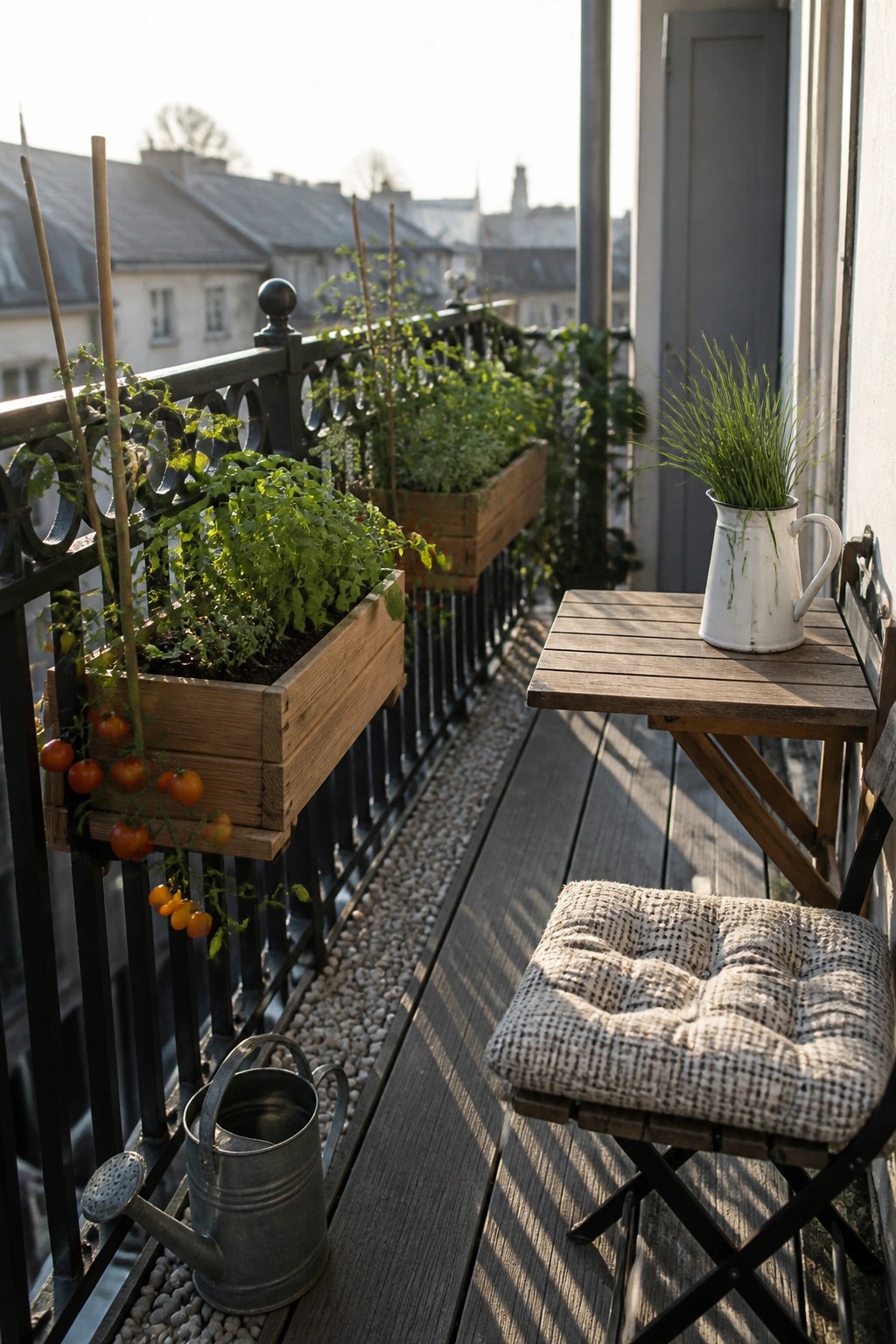
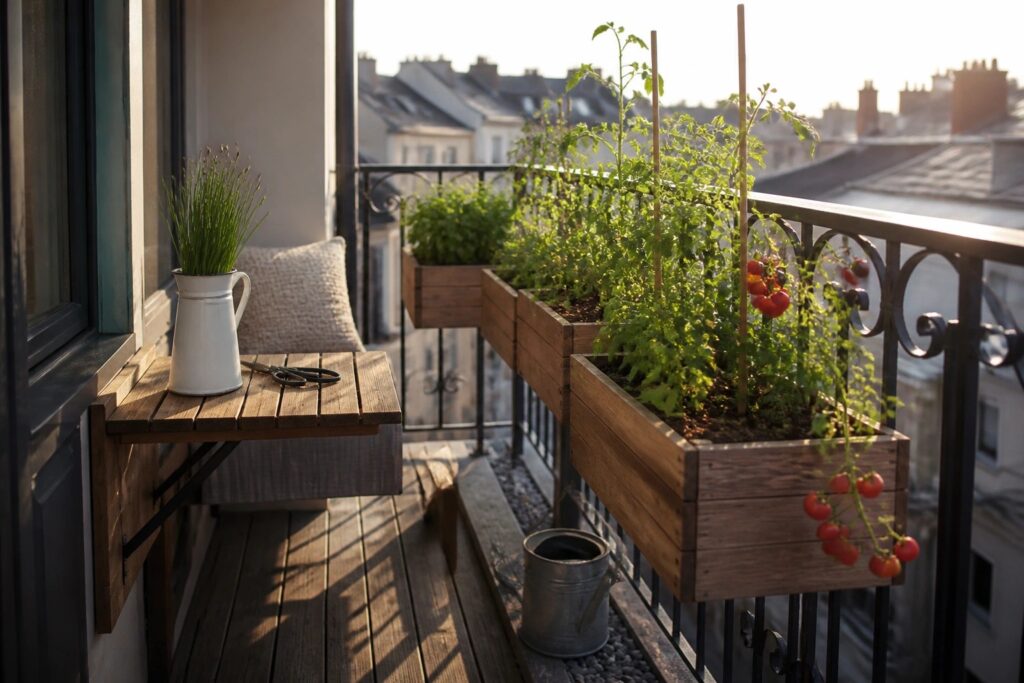
Many balconies have unused railing space that works well for growing tomatoes, herbs, and other edibles. Mounting wooden planters along the rail keeps the floor clear for seating while putting the plants at a comfortable height for daily care and picking.
This approach suits apartment dwellers and anyone with limited ground space. Secure the boxes firmly so they can handle the weight of soil and mature plants, and choose compact varieties that do not need deep rooting.
Raised Brick Beds For Small Edible Gardens
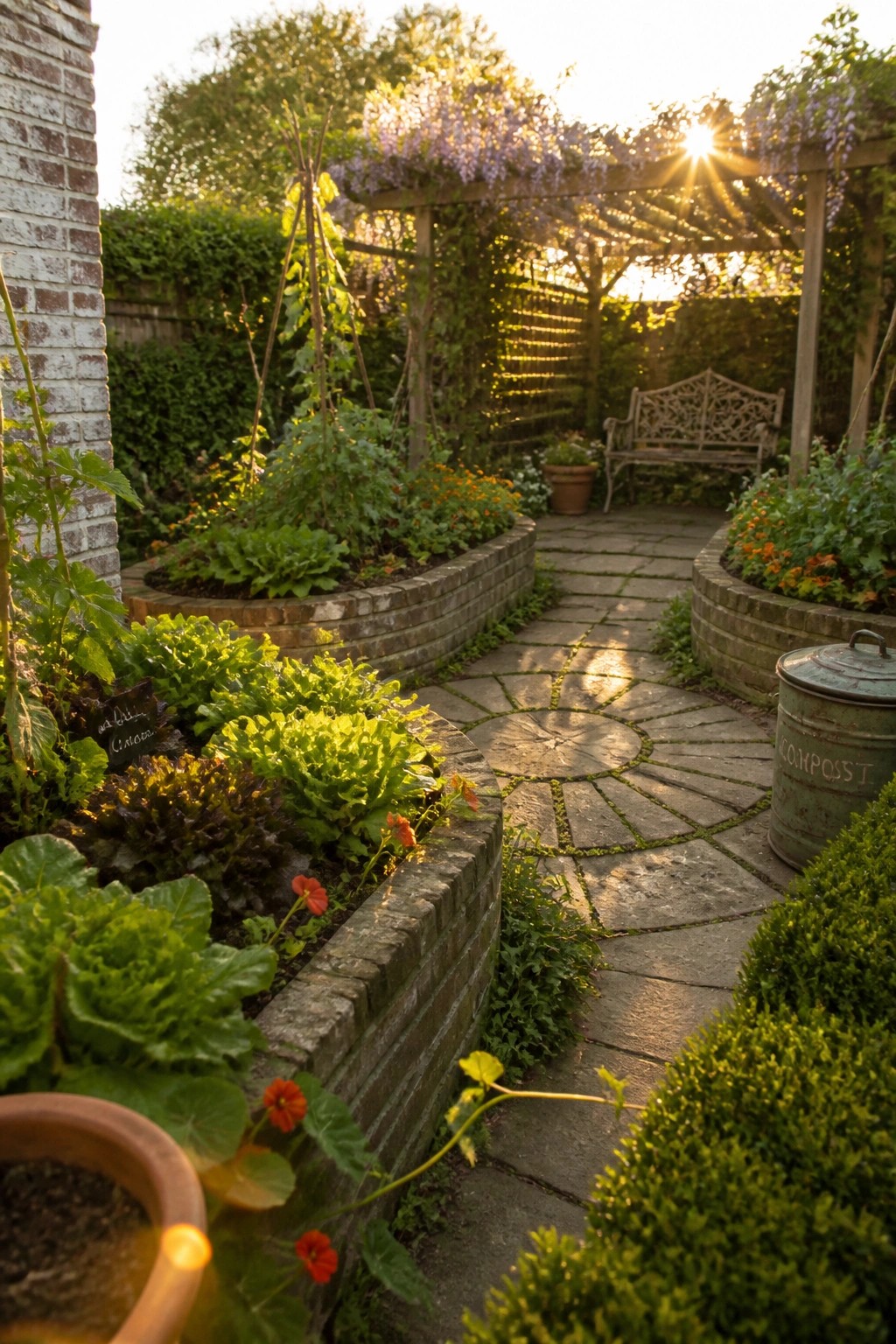
Raised brick beds give a small garden clear structure and keep soil contained so plants stay neat and easy to reach. The bricks also help with drainage and warmth, which can extend the growing season a little in cooler spots.
This layout suits narrow yards or side gardens where you want a path between beds for daily access. Keep the beds at a comfortable height and mix in a few flowers if you like, but focus most of the space on vegetables and herbs you actually use.
Grow Edibles In Large Pots On The Patio
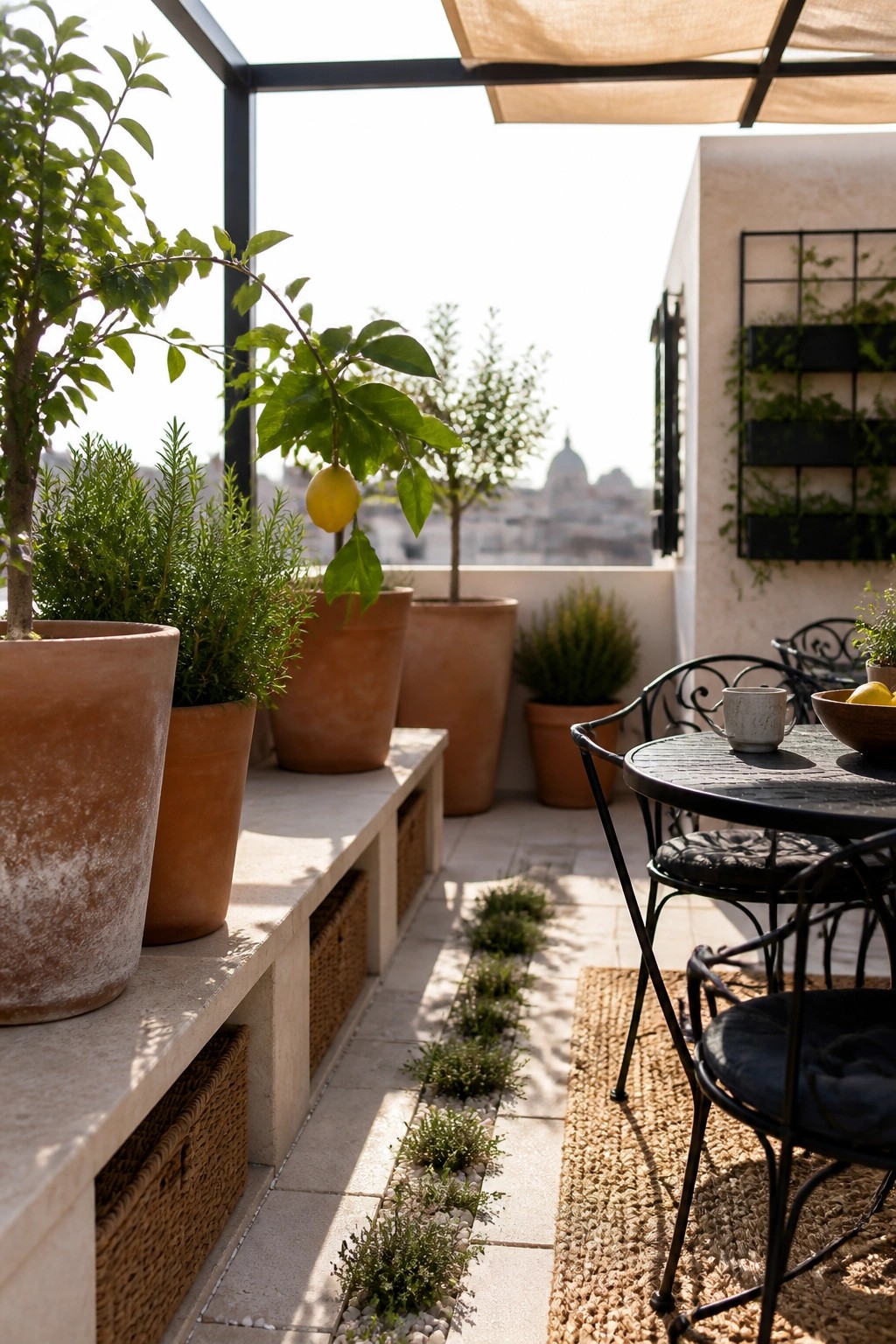
Many people find it easier to keep herbs and small fruit trees in pots right next to their outdoor table. It puts fresh ingredients within reach and makes the space feel more productive without needing a full garden bed.
This works best on balconies or paved terraces where digging is not possible. Use wide terracotta pots so the plants have room to grow and group them along a low wall or bench near the seating.
Grow Fruit Trees Vertically Along Fences
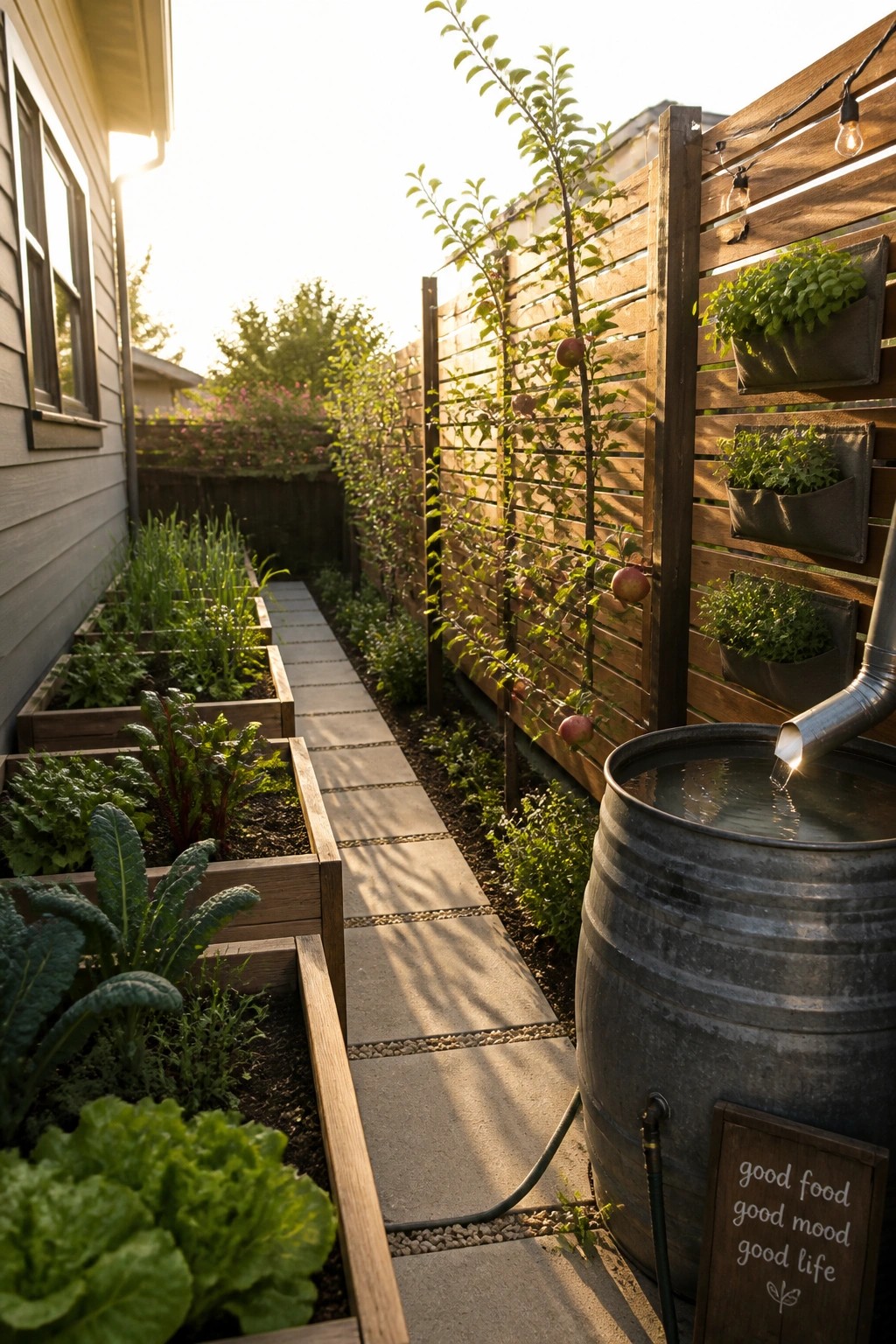
Narrow side yards often go to waste because there is not much ground space for traditional beds. Training fruit trees flat against a fence turns that vertical surface into productive growing area without crowding the path or beds below. The trees stay manageable, get good sun exposure, and still leave room for other crops at ground level.
This approach works best in long, tight spaces where you want steady food production without losing access. Start with a strong trellis system attached to the fence, choose varieties suited to your climate, and prune regularly so the branches stay flat. It takes some upfront work but keeps the garden productive year after year with minimal extra ground taken up.
Set Up a Prep Table Next to the Planters
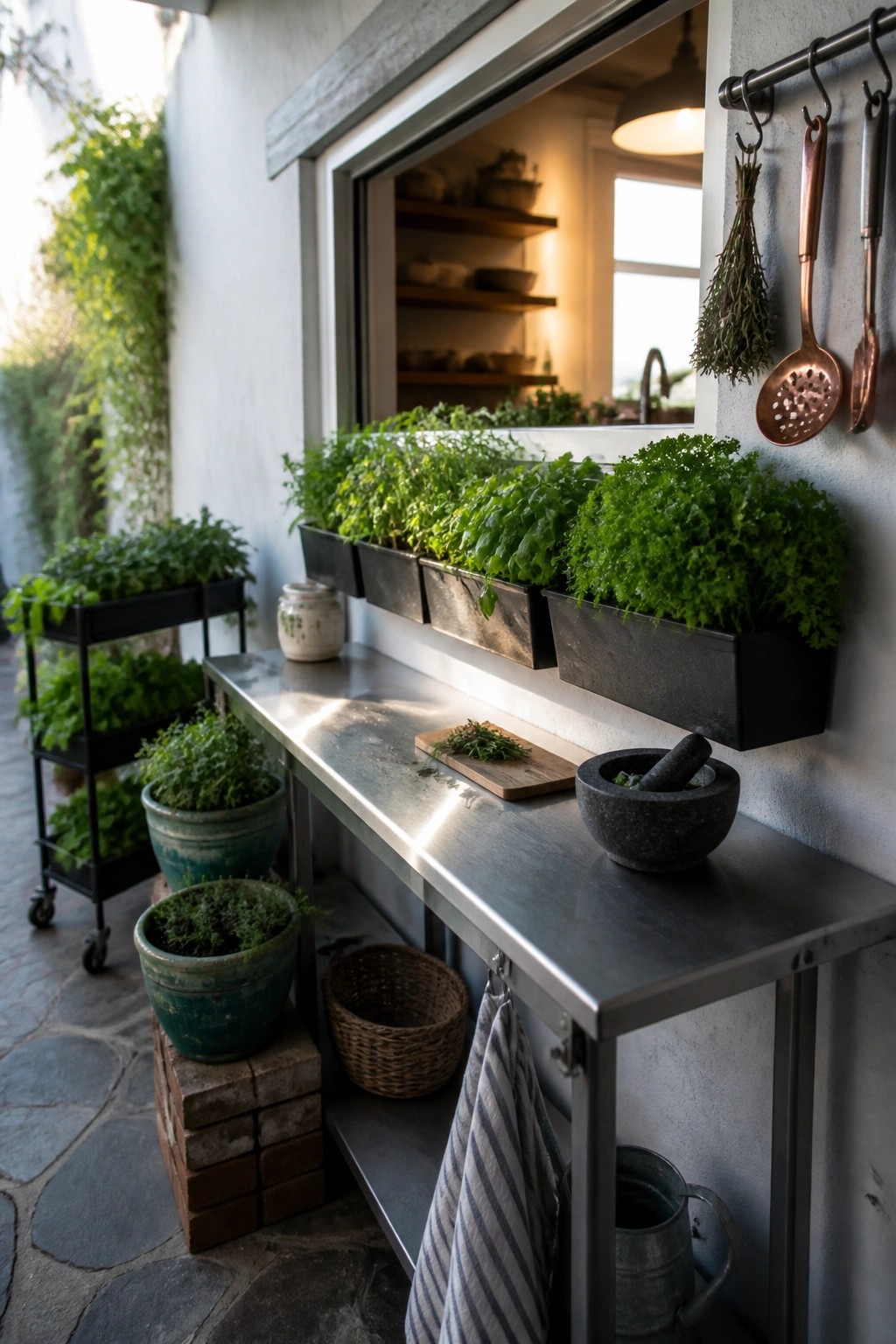
A simple outdoor table makes a small edible garden much more practical. You can step out, pick what you need, and handle the washing or chopping right there instead of carrying everything inside.
A metal surface stands up to weather and gives you steady space for basic tools. This setup works well on a patio or narrow side area where you want daily access to herbs without needing a full kitchen outside.
Vertical Pallet Gardens On Balcony Walls
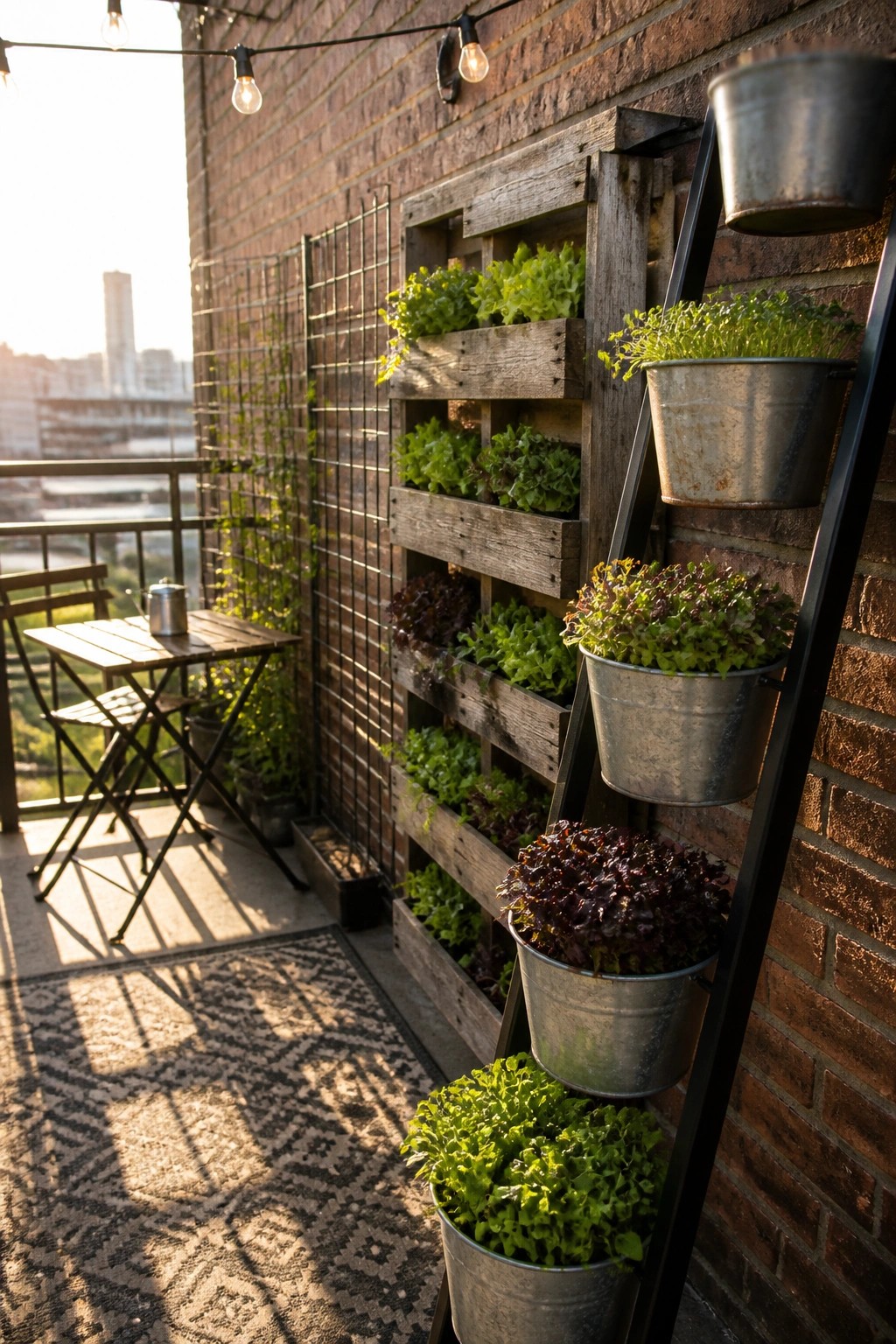
One simple way to grow food in a small space is to mount an old pallet on the wall. It turns unused vertical space into a planter that holds plenty of greens without taking up floor room.
This setup works best on balconies or patios where ground space is tight. Fill the pallet sections with soil and tuck in lettuce or herbs, then add a few buckets on a ladder frame for extra plants if needed. Keep the structure sturdy and make sure it gets enough sun.
Raised Beds Along Garden Paths
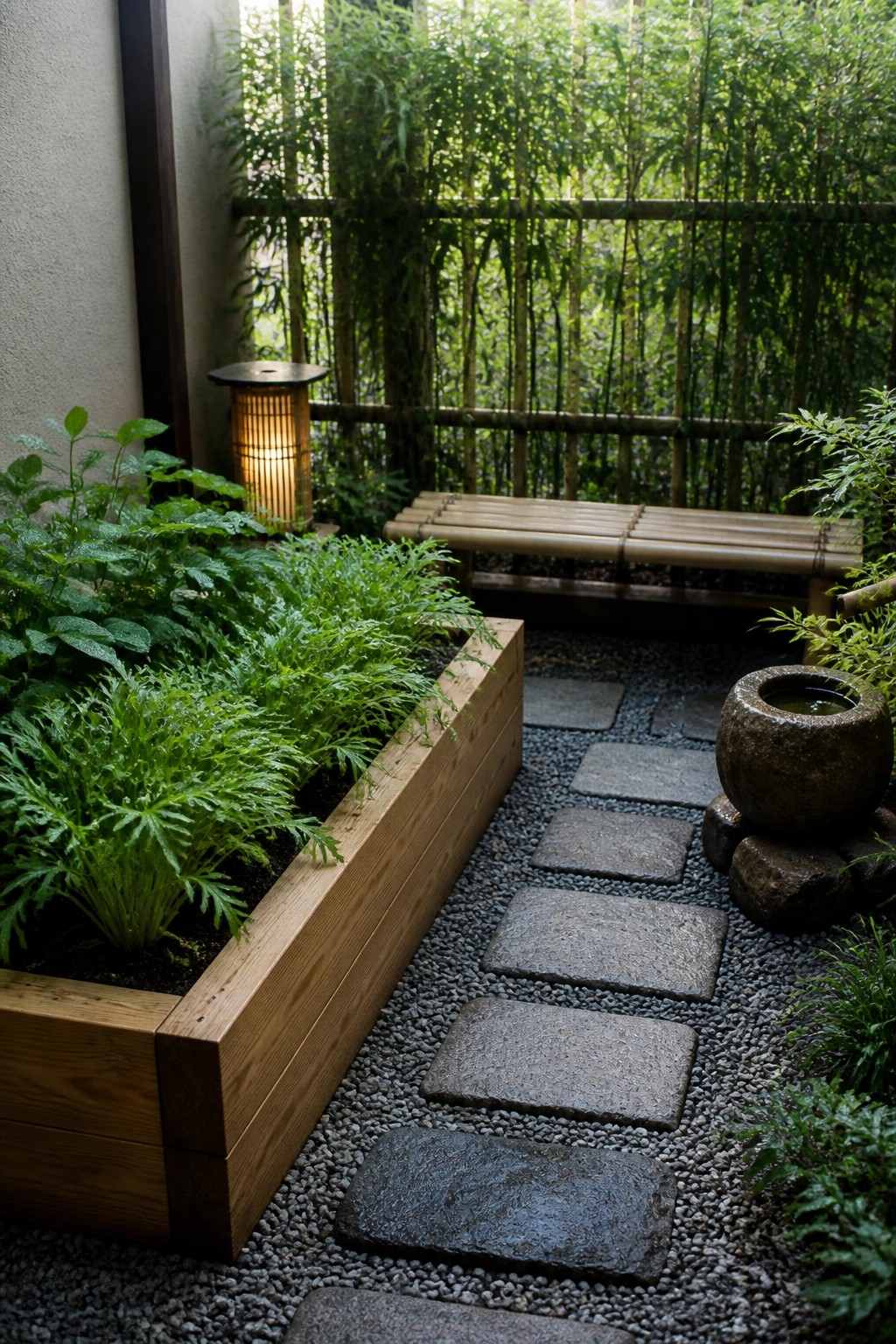
A raised bed placed right next to a stepping stone path keeps the plants easy to reach for daily care. The wood frame holds the soil neatly while the path lets you walk through the garden without compacting the ground or brushing against leaves.
This works best in small yards where every bit of space needs to serve double duty. Keep the bed narrow enough to reach across and line it with plants that get picked often so the path stays useful instead of just decorative.
Stone Borders For Neat Herb Patches
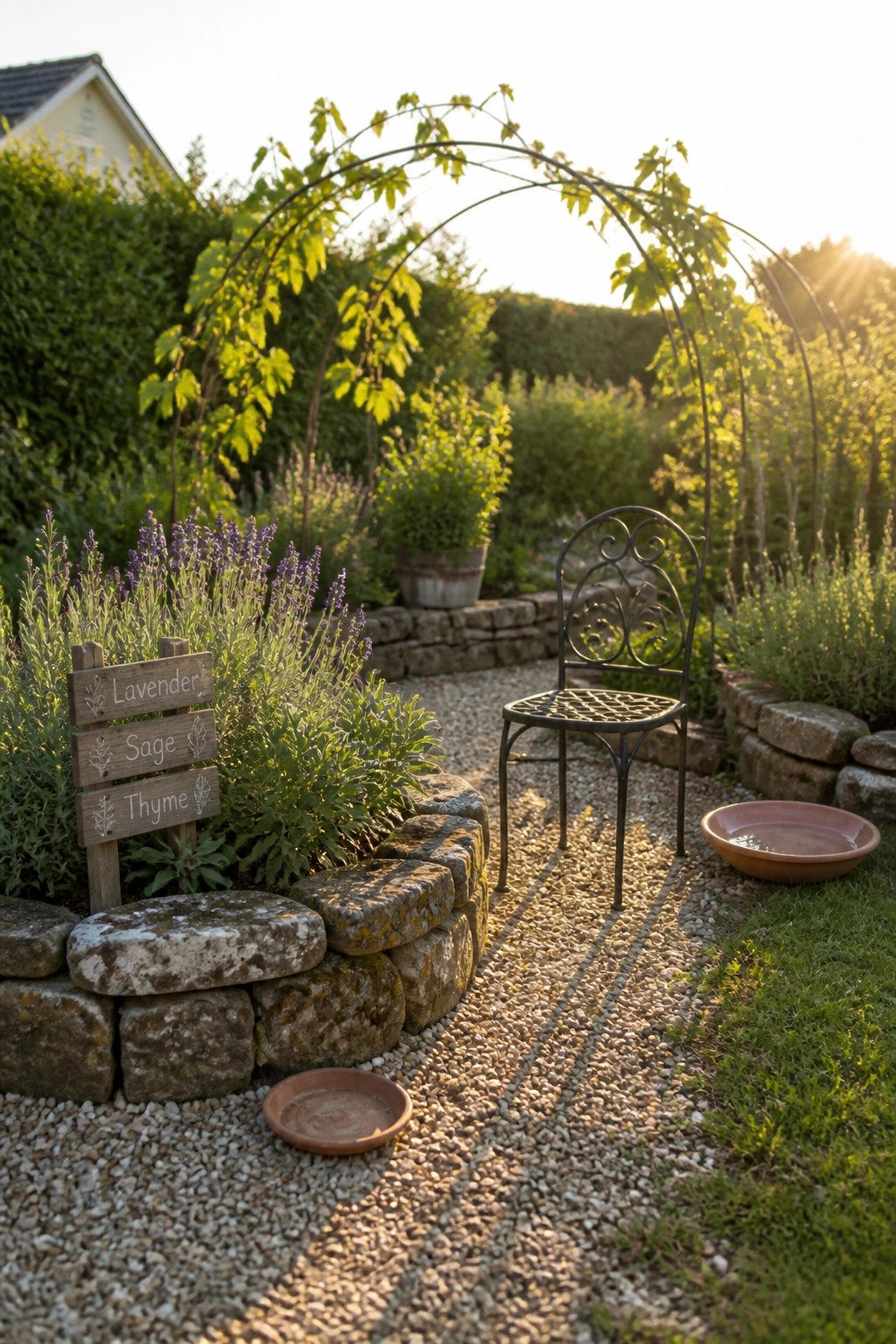
Low stone edges work well when you want to keep a few herbs separate in a small garden. They hold the soil in place, make the beds easy to spot, and give you a clear spot to reach in and pick without walking on the plants.
This setup suits gravel areas or corners where space is tight. Keep the stones only a few layers high so the beds stay simple to step over, and group herbs that need similar care together.
Grow Edibles in a Dedicated Indoor Greenhouse
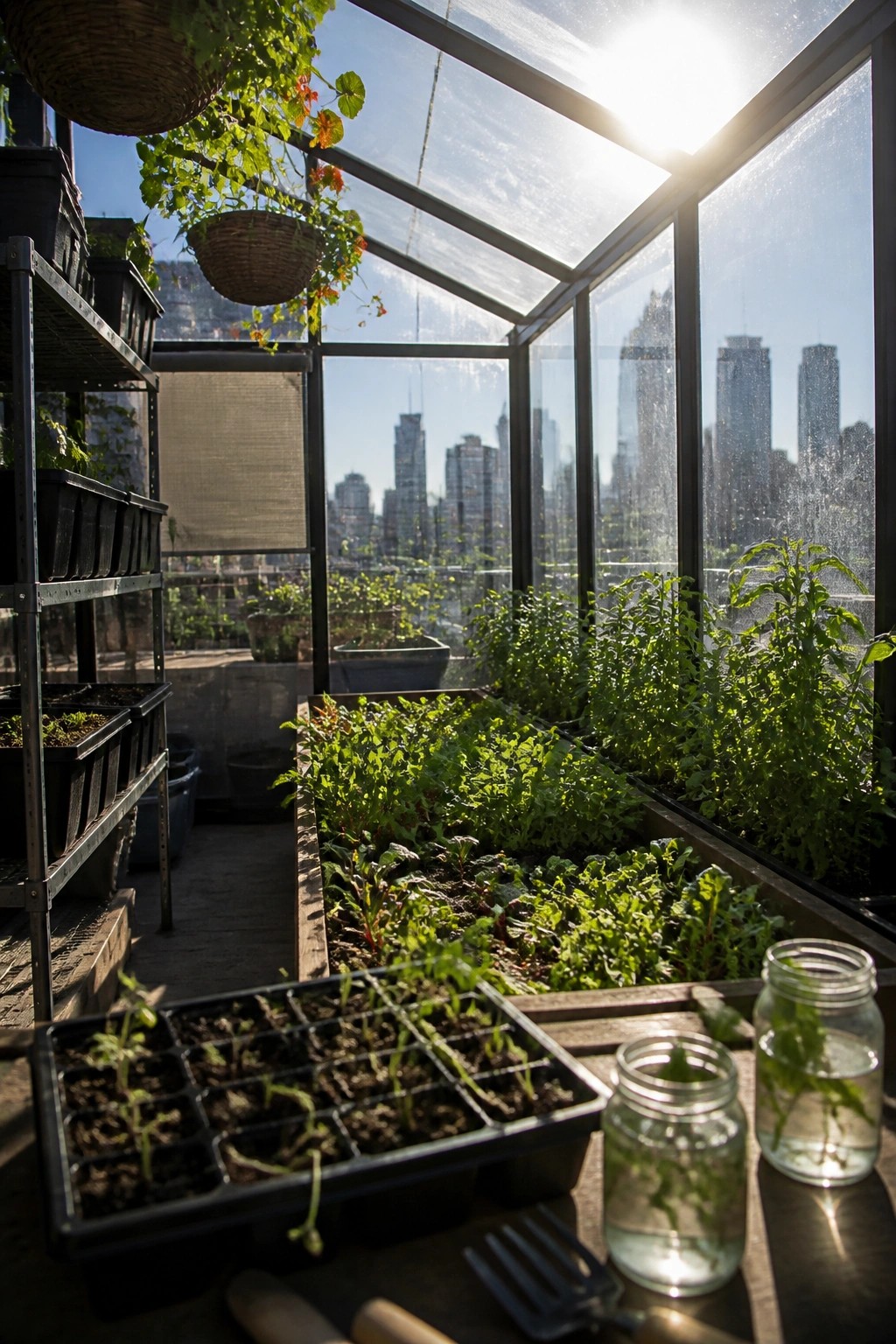
A small greenhouse room gives you a controlled space to grow food no matter the season or yard size. The glass walls bring in steady light while the enclosed setup protects plants from wind and temperature swings, making it easier to keep herbs, greens, and seedlings healthy year round.
This approach suits urban homes or apartments with limited outdoor access. Set up raised beds along the windows for larger plants and use trays or jars nearby for starting new seeds or cuttings so everything stays organized and easy to reach.
Raised Planters Along A Balcony
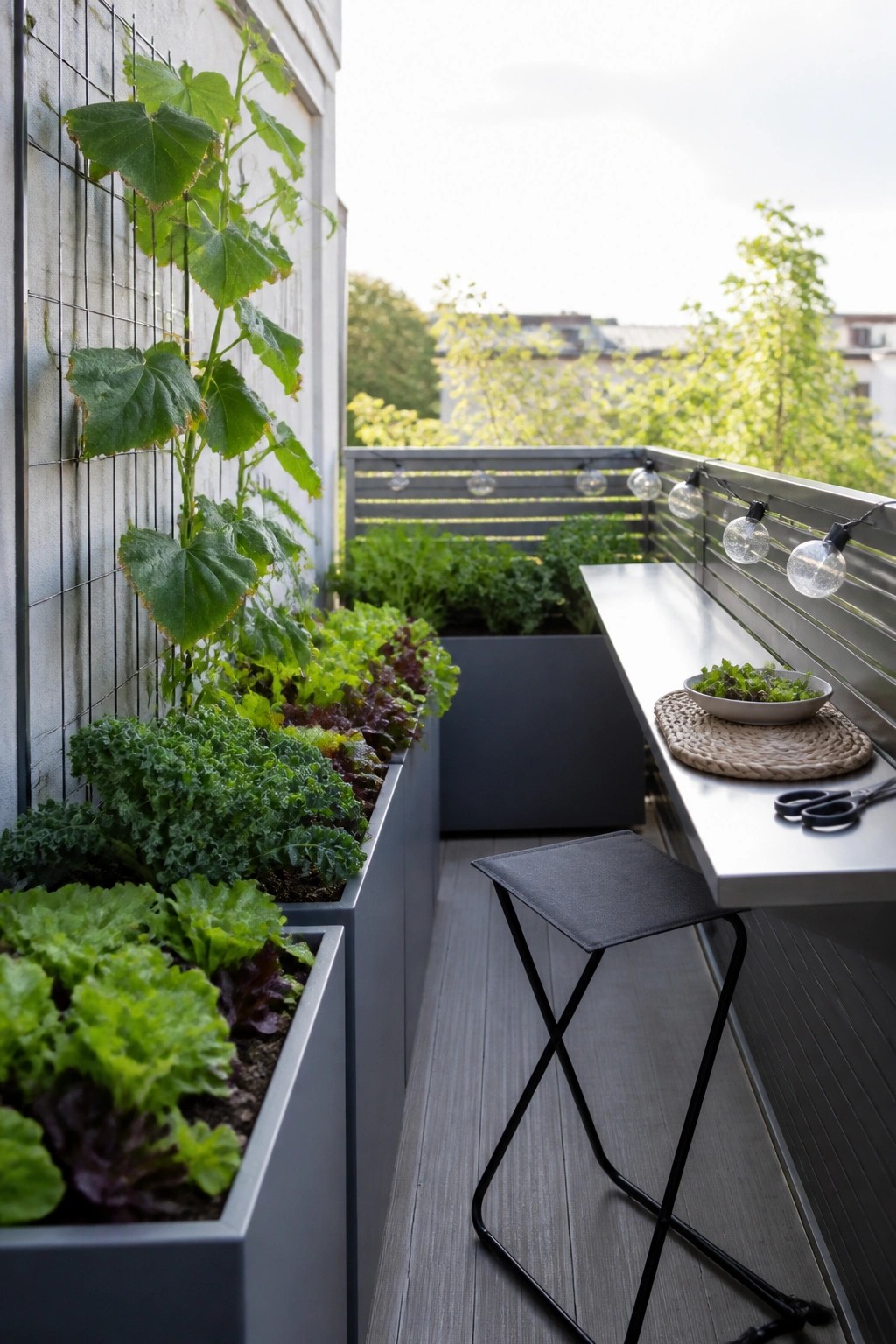
Raised planters work well on balconies because they turn a narrow strip of space into a productive growing area without taking up floor room. They keep the plants at a comfortable height for watering and harvesting, and they help define the edge of the space so it still feels usable for sitting.
This setup suits apartment balconies or small decks where in-ground beds are not an option. Keep the planters narrow enough to leave walking space, choose lightweight soil mixes, and add a simple stool or small table nearby so you can tend the plants without extra furniture clutter.
Grow Herbs on Simple Shelves Along the Porch
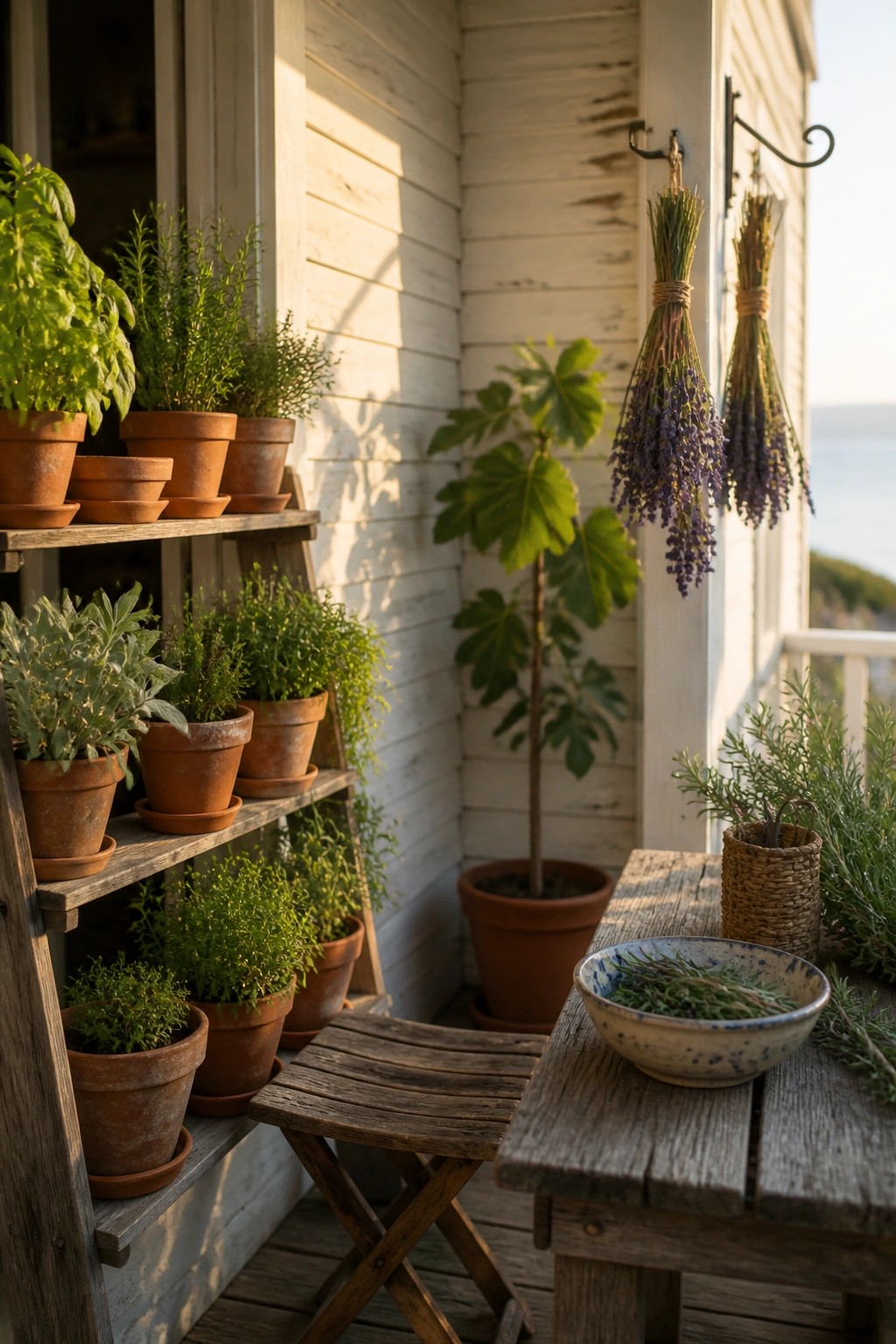
Shelves turn a narrow porch into a useful spot for growing herbs without needing much floor space. The setup keeps plants at different heights so everything gets light and stays easy to reach when cooking.
This works best on a south or west facing porch where the plants get steady sun. Use sturdy wood shelves and basic pots so the whole thing feels practical rather than fussy. Just check that the structure can hold the weight once the pots are watered.
Grow Edibles In Pots On The Deck
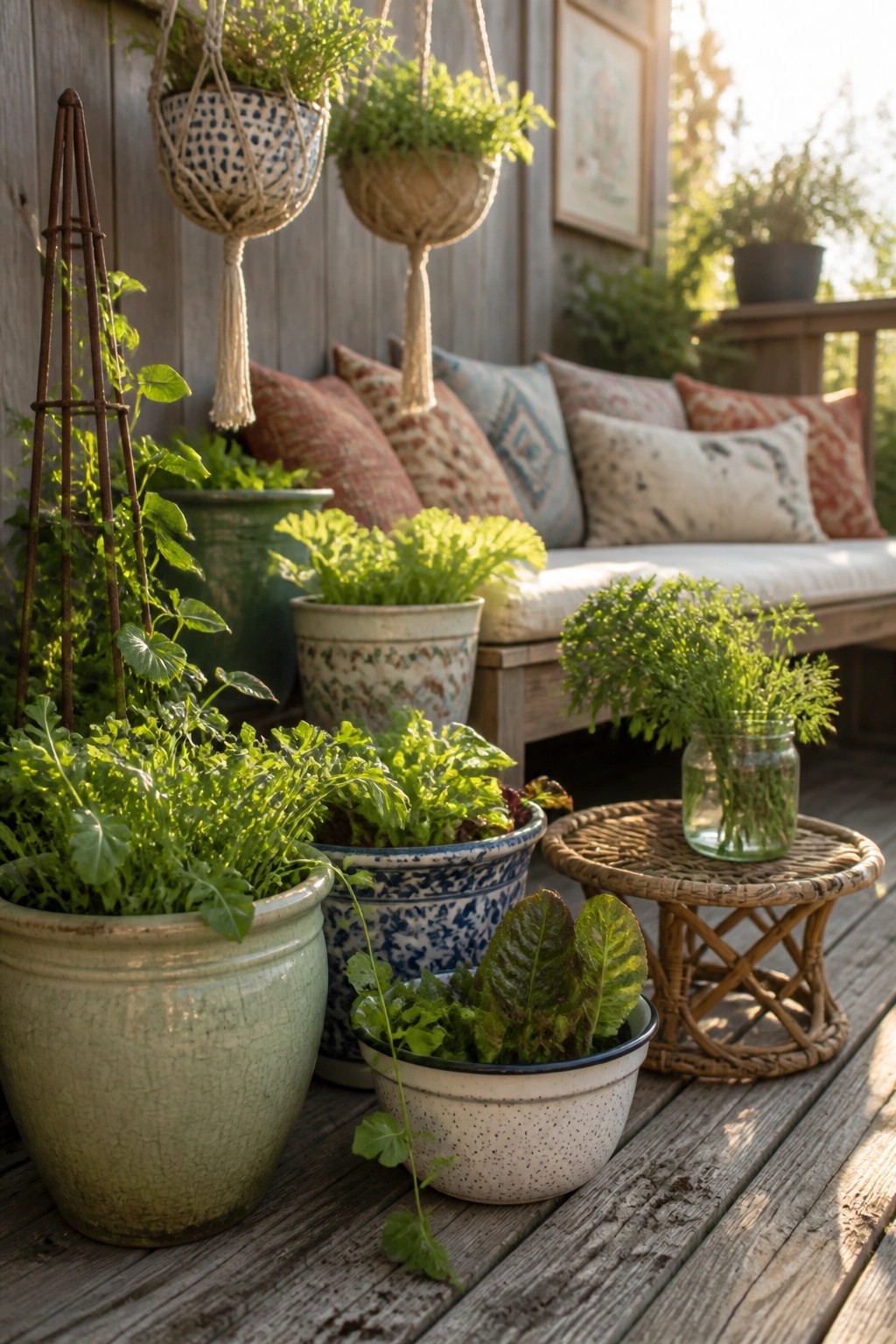
Placing pots of herbs and leafy greens right around a seating area makes the space feel more useful without much extra work. You can reach over and pick what you need while sitting outside, and the plants stay close enough to water on a regular schedule.
This approach suits decks and porches that have limited floor space. Choose containers in a few sizes, group them near the edge where they catch good light, and move them around as the season changes.
Raised Beds Let You Mix Flowers And Food
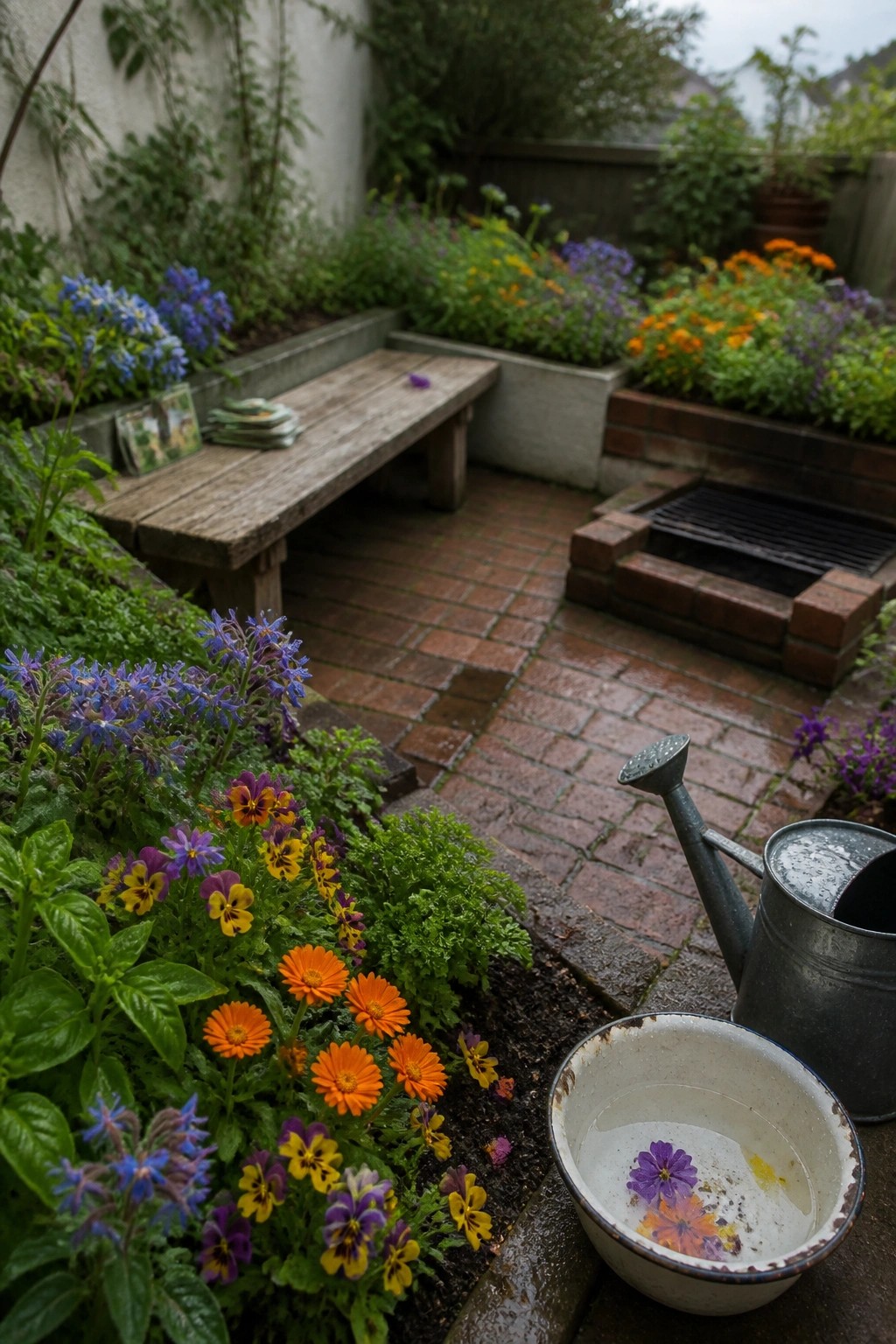
Raised beds give a small garden clear edges and make it easier to grow both food and flowers in the same space. They keep the soil contained, improve drainage, and let you reach plants without stepping on the beds, which is helpful when space is tight.
This setup works well in backyards or side yards where you want something productive but still pleasant to look at. Use deep beds for root crops and herbs, then tuck in a few flowers to draw pollinators. Just make sure the beds get enough sun and that you rotate crops each season so the soil stays healthy.
Line Paths With Edible Herbs
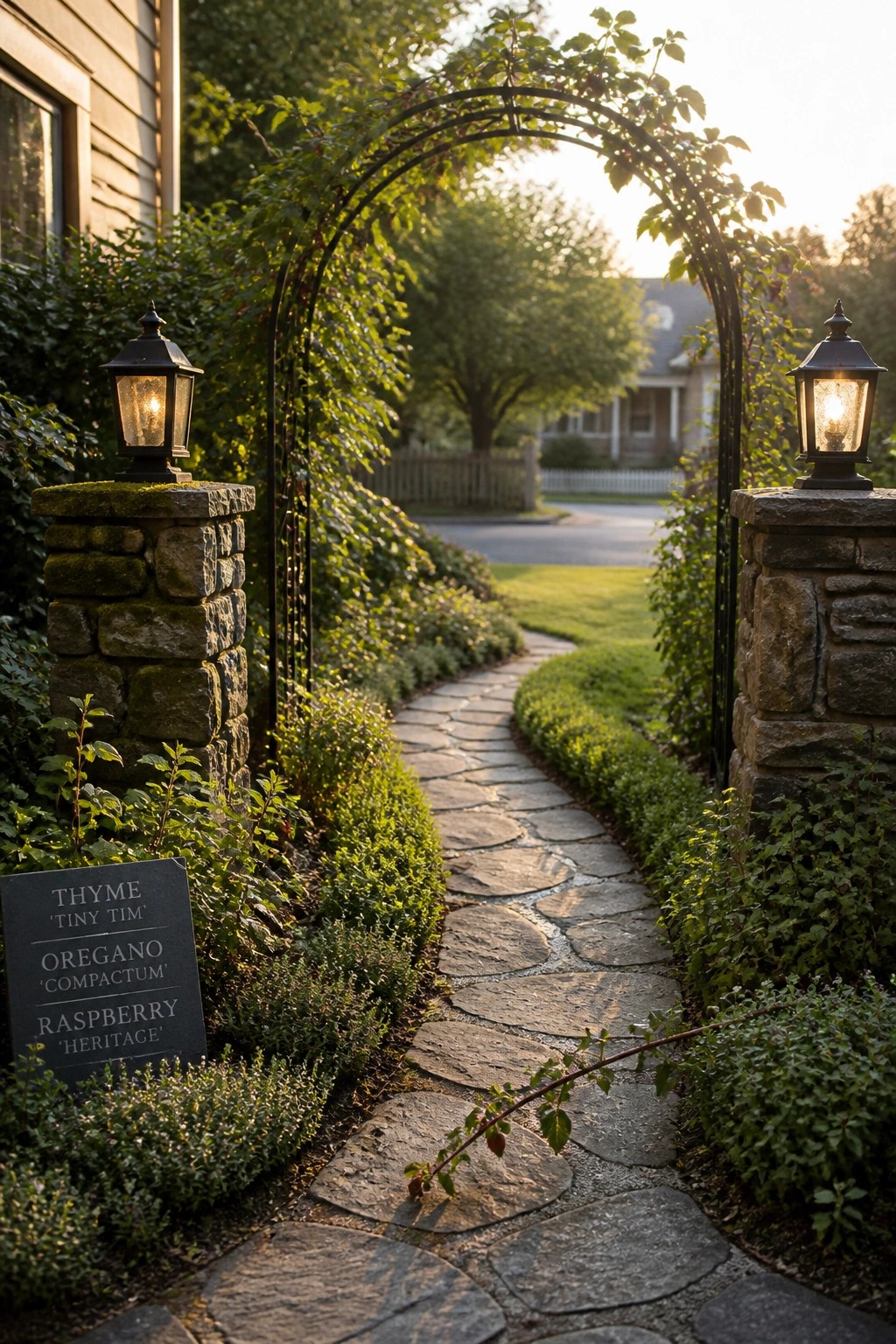
A simple stone path gives you easy access to small herb and berry plantings without compacting the soil. It also keeps the garden looking orderly even when plants start to sprawl.
This layout works well along the side of a house or in a narrow yard where space is tight. Keep the beds narrow enough to reach across and add a small sign so you can tell the varieties apart at a glance.
Raised Beds Next to the Kitchen
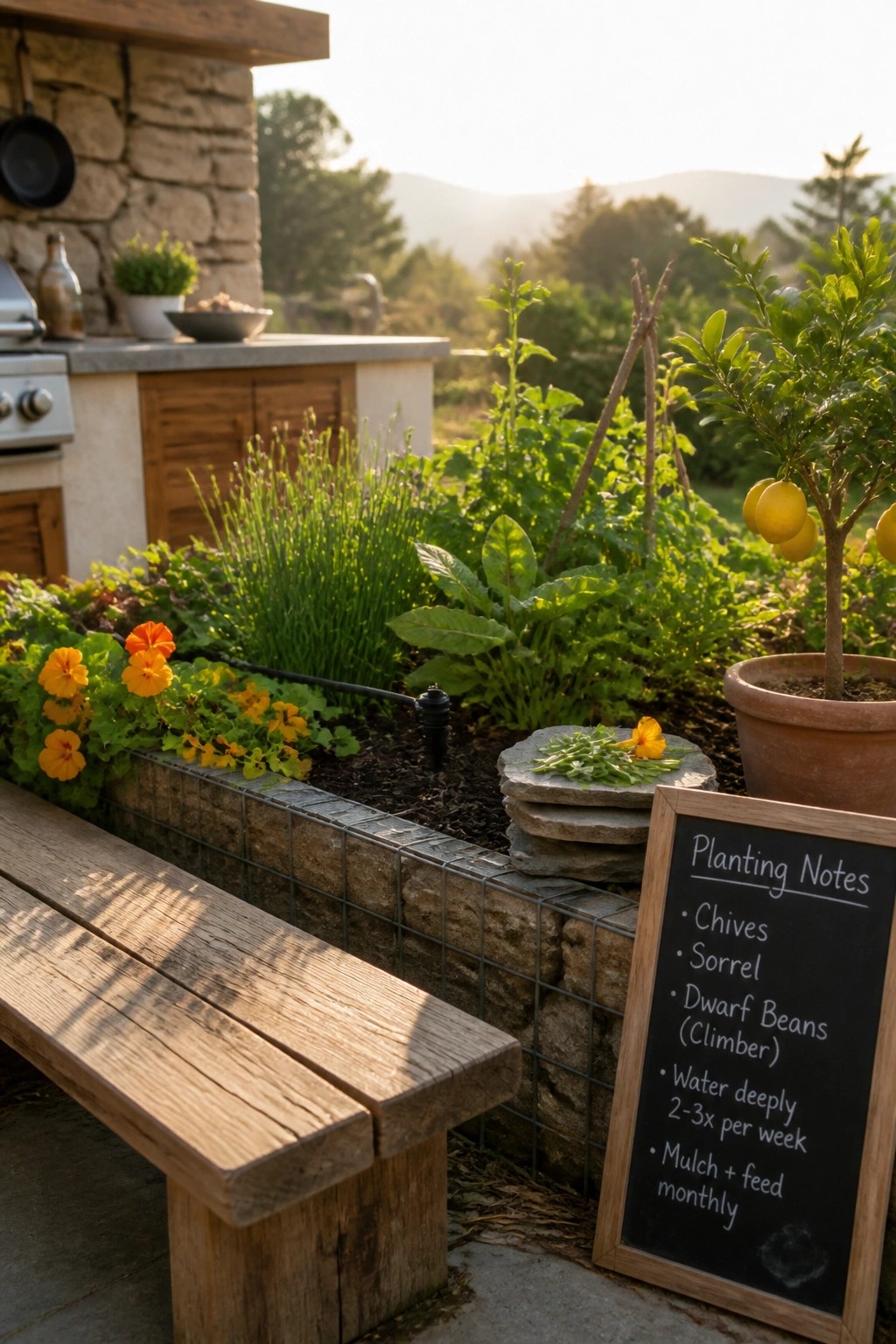
Raised beds make it simple to grow a useful mix of herbs, vegetables, and flowers in one small space. Placing them right beside an outdoor kitchen means you can step over and grab what you need without extra trips or tools.
This setup works best in a sunny spot with easy access from the house. Keep the beds narrow enough to reach across, and add a simple label board so you remember watering and feeding routines without guessing.
Terrace A Slope With Stone Beds
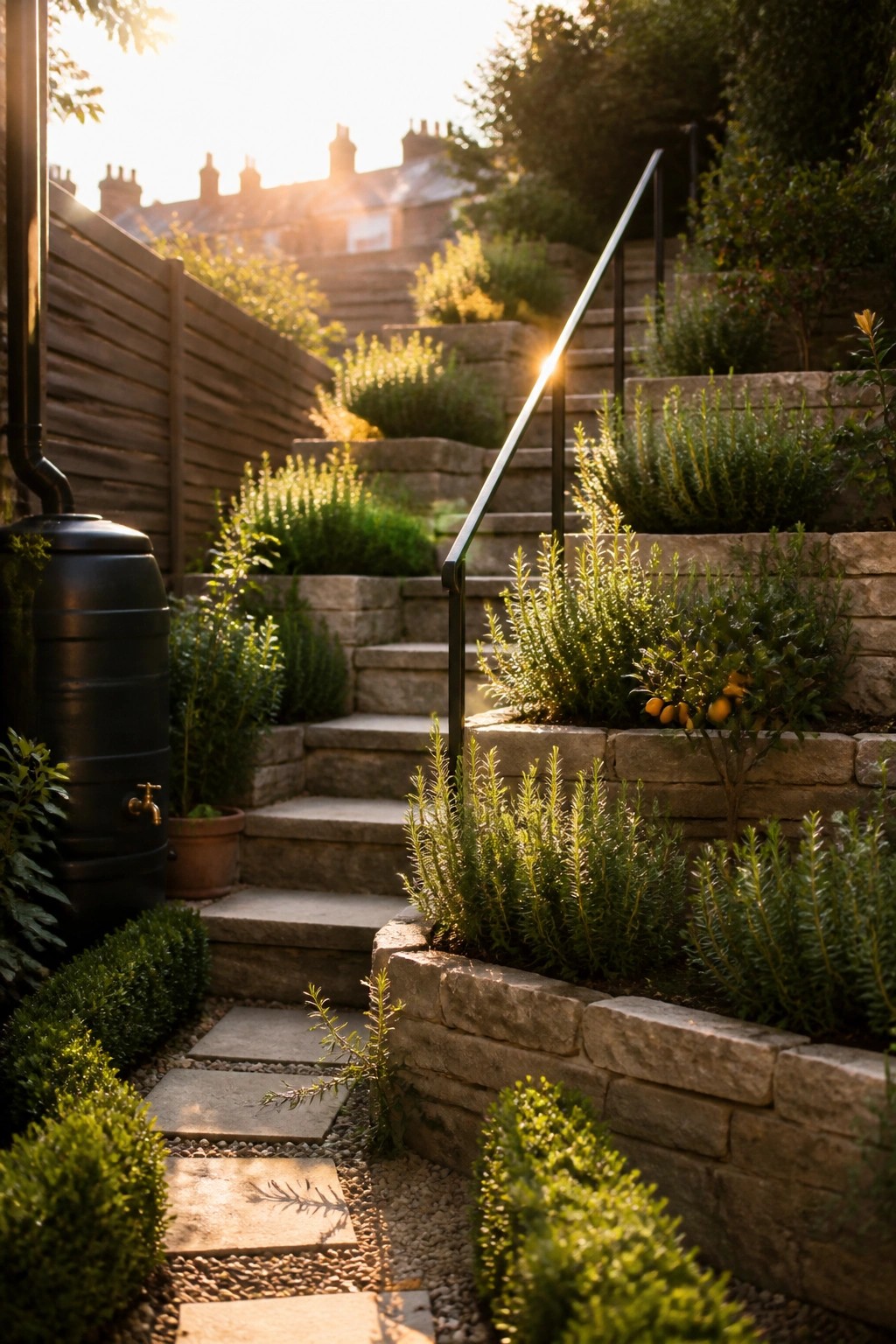
Terracing turns a tricky slope into useful growing space without losing the flow of the garden. Stone walls hold the soil in place and create flat beds that are easy to reach, so you can tuck in herbs, small shrubs, and compact fruit trees right along the path.
This setup suits homes with a gentle drop from the house to the back fence. Keep the beds narrow enough to tend from the steps or path, and mix in plants that stay productive without constant fuss. Watch the drainage at the base of each wall so water does not pool after rain.
Balcony Salad Gardens in Metal Troughs
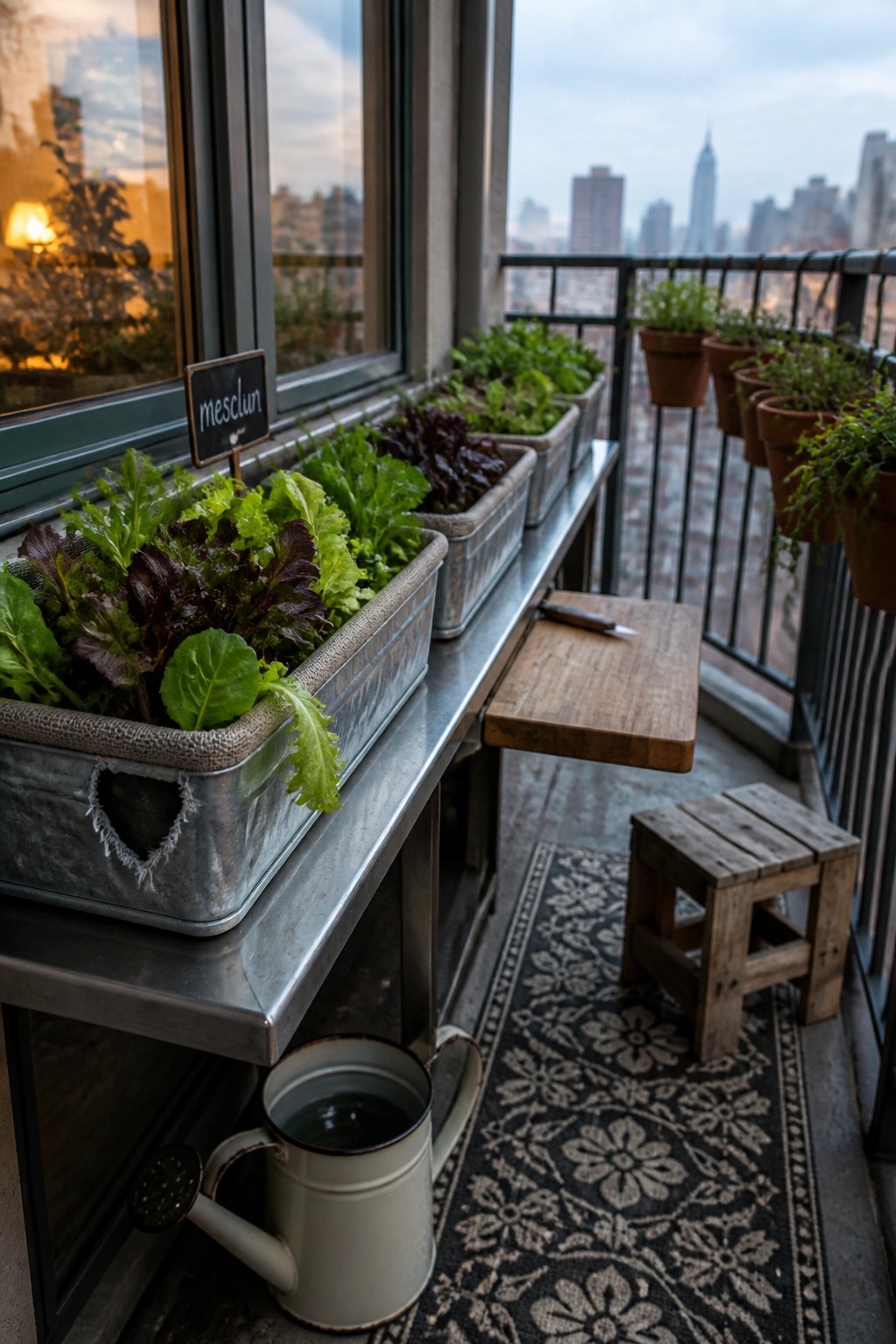
Metal troughs make a simple setup for growing salad greens in tight outdoor spaces. They sit right on a ledge or table, keep soil contained, and let you reach the plants easily without taking up floor room. Many people like this approach because it turns even a narrow balcony into a steady source of fresh mesclun and leafy greens.
This works best on urban balconies or small patios where floor space is limited. Place the troughs along the railing or on a sturdy table, add drainage holes if needed, and water regularly. Watch the weight once the soil is wet, and choose lighter mixes if the structure feels unsure.
Cold Frames Help Protect Small Crops
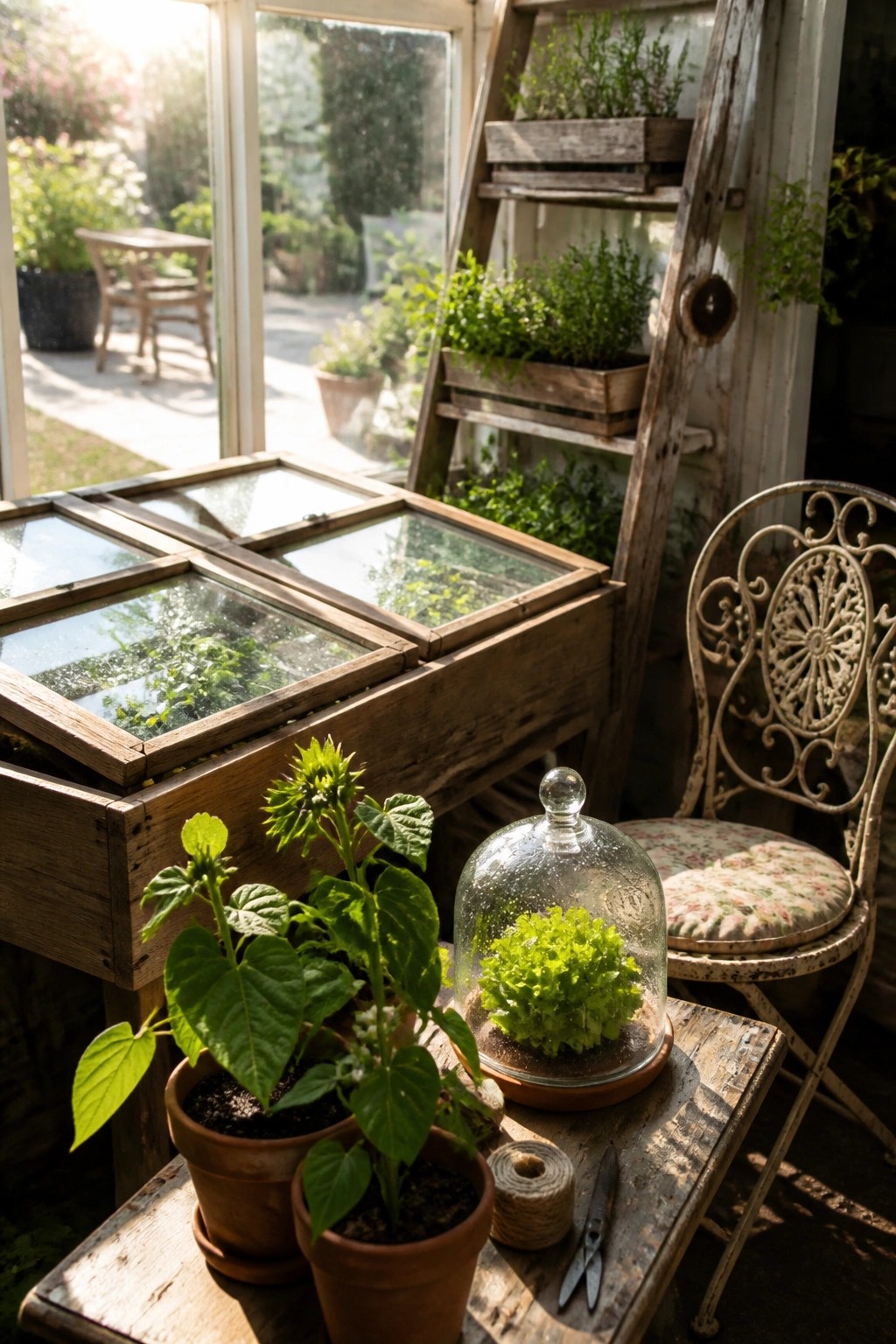
A simple cold frame gives you a way to grow greens and herbs even when outdoor conditions change. It creates a sheltered spot that keeps soil warmer and shields plants from sudden cold or heavy rain without needing a full greenhouse.
Set the frame on a patio or near a sunny wall so it stays easy to reach for watering and picking. This approach works especially well in small yards or tight spaces where every square foot needs to count.
Wall Planters For A Small Porch Garden
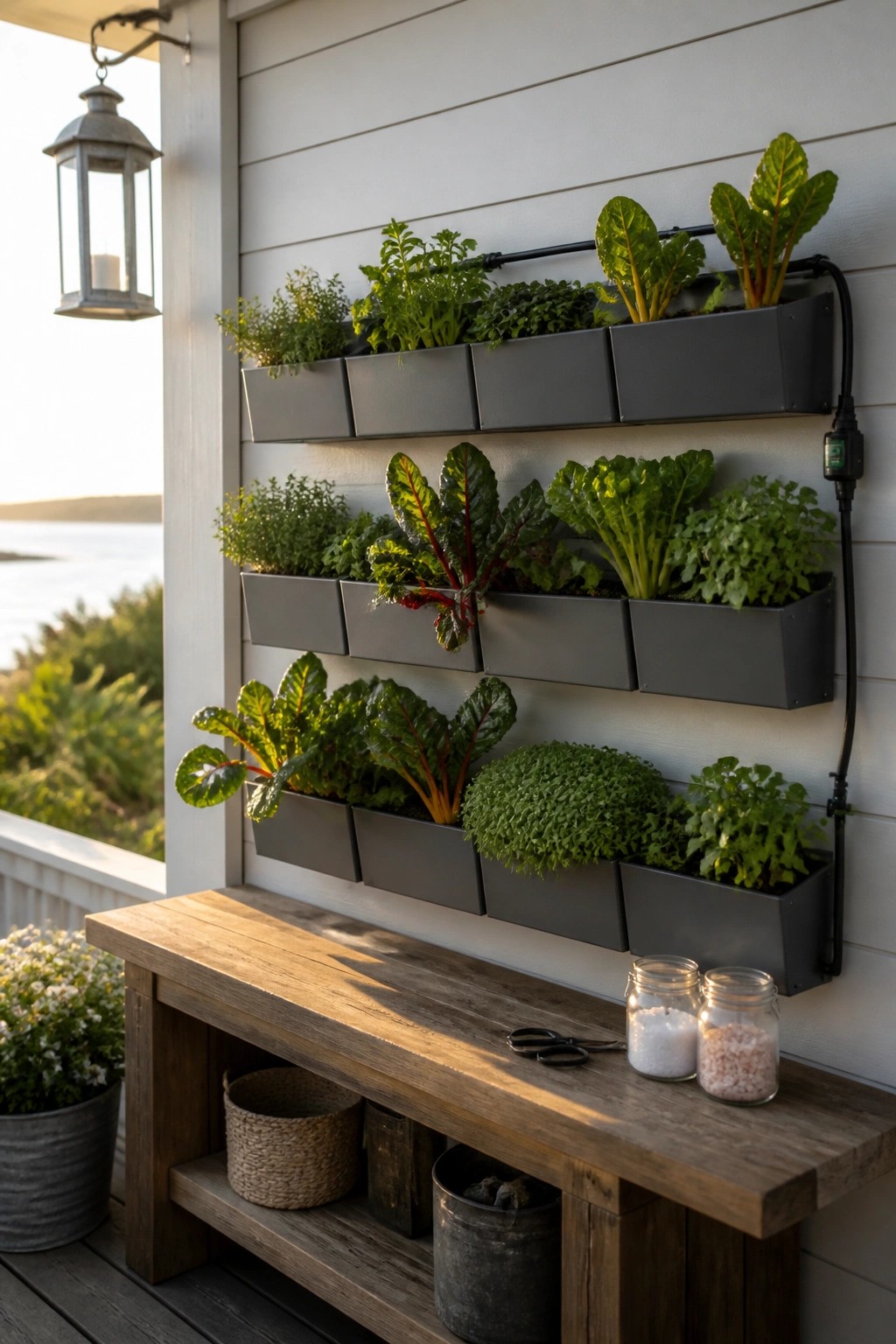
Wall planters let you grow food without giving up floor space on a porch or deck. They keep the plants up and out of the way while still staying close to where you sit or cook, which makes daily picking simple.
This works best on smaller outdoor areas where you want both seating and growing space. Mount the boxes at a comfortable height, use a drip line if you can, and stick to compact crops like herbs, lettuce, and leafy greens that do not need deep soil.
Circular Raised Beds With A Central Trellis
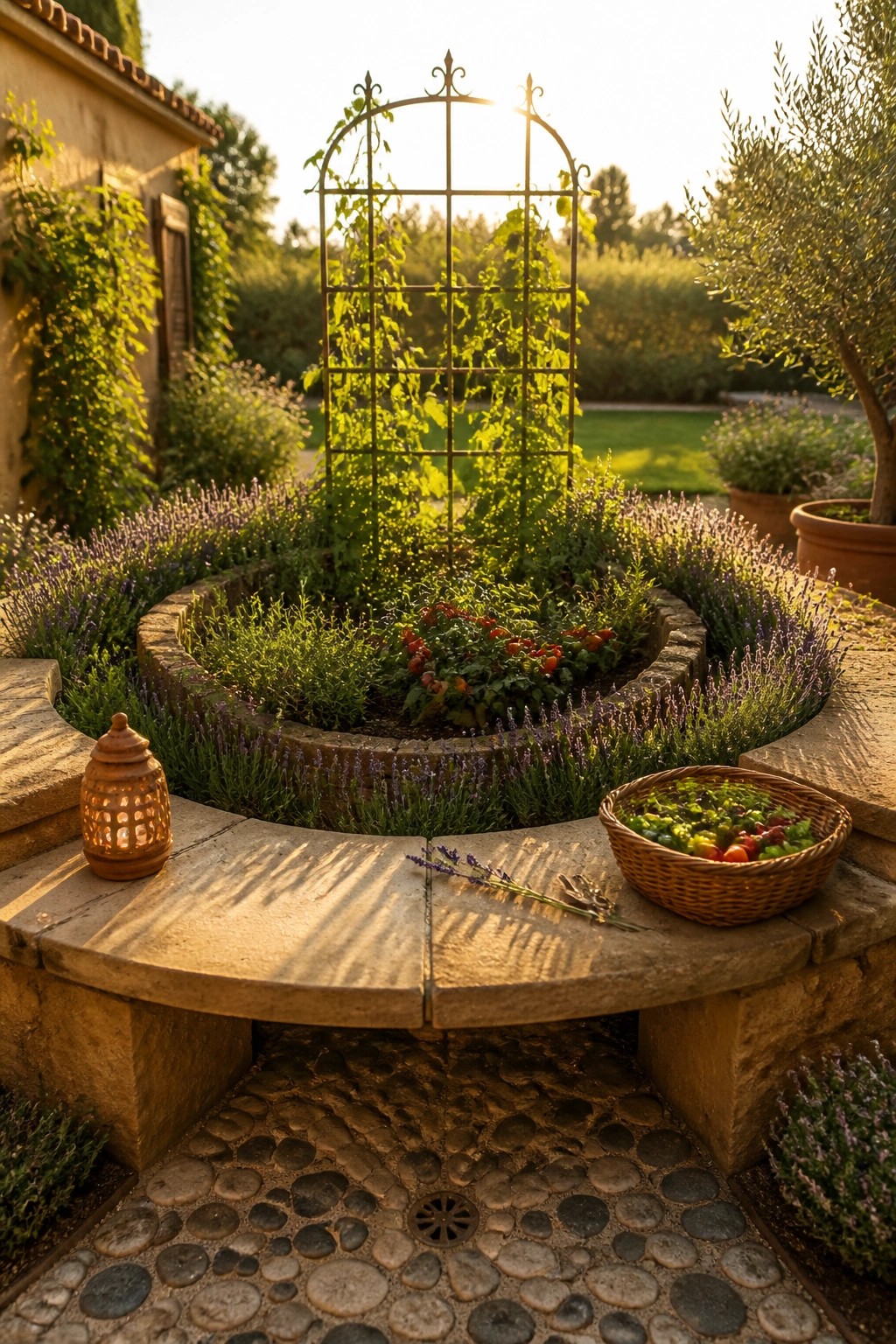
A circular raised bed makes good use of limited space by letting you grow both low plants and tall climbers in one compact spot. The trellis in the center supports vines while the outer ring holds shorter crops, so you get more variety without spreading things out.
This layout works best in small yards or side gardens where a square bed might feel awkward. It also keeps everything easy to reach from the surrounding path and gives the planting a tidy shape that still feels productive.
Grow Edibles In Narrow Landscape Strips
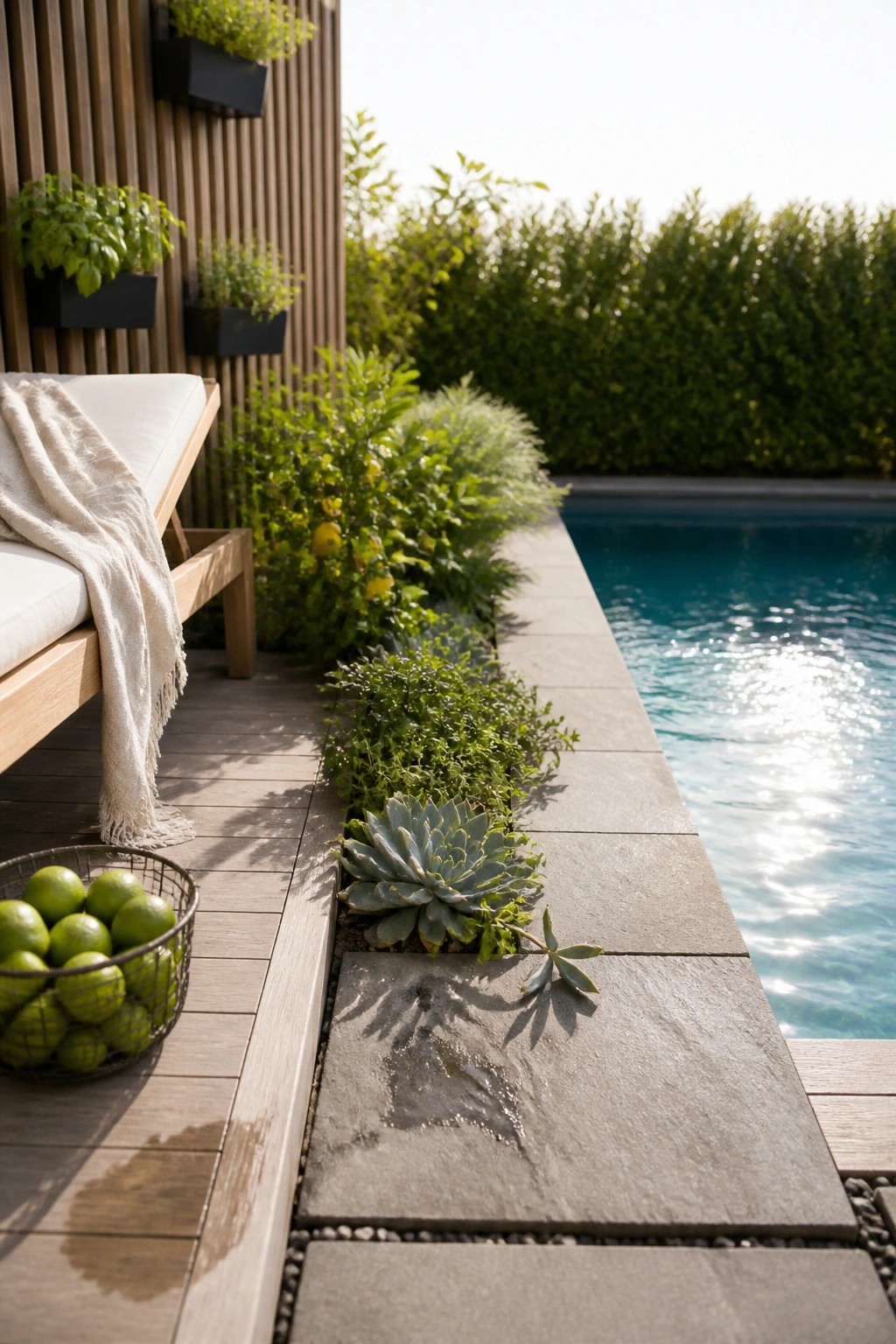
Narrow planting strips work well when you want fresh food without giving up much ground. They fit neatly between a deck and a pool edge or along a path, letting herbs and small fruit trees thrive in the same space as hard surfaces. The setup keeps things practical because the plants stay contained and easy to reach for harvesting.
This approach suits homes with paved outdoor areas that still need some greenery. Place taller plants like citrus toward the back of the strip and lower herbs in front so everything gets enough sun. Just watch the soil depth and watering, since these beds can dry out faster than larger garden plots.
Frequently Asked Questions
Q: How do I figure out the best spot in a tiny yard that only gets partial sun? A: Watch the light move across your space for a full day or two. Most edible plants need at least six solid hours of direct sun, so shift pots until you find the brightest patch. Leafy greens can handle a bit less if tomatoes or peppers feel like too much of a stretch.
Q: What happens if I skip watering for a couple days during a hot spell? A: Stick your finger in the soil each morning and water only when the top inch feels dry. A quick deep soak in the evening usually revives wilted plants faster than daily light sprinkles. Grouping pots together also helps them shade each other and hold moisture longer.
Q: Can a few containers actually supply enough greens for regular meals? A: Pick cut-and-come-again varieties like loose-leaf lettuce or perpetual spinach so you harvest a handful every few days. One or two large pots kept going all season often cover salads and sandwiches without any extra shopping. Rotate new seedlings in as older plants slow down to keep the supply steady.
