

Ever wondered why your beet seedlings aren’t thriving as they should? Picture this: your beet patch is looking a bit crowded, and those vibrant leaves seem to be competing for space. What if I told you that thinning your beet seedlings could be the key to a bountiful harvest?
Importance of Thinning Beet Seedlings
When it comes to thinning beet seedlings, it’s crucial for the healthy growth of your plants. Crowded seedlings can lead to stunted growth and poor root development, affecting the overall yield of your beet harvest.
Benefits of Thinning:
- Improved Air Circulation: Thinning allows for better airflow around the plants, reducing the risk of diseases like powdery mildew.
- Enhanced Nutrient Absorption: With more space, each plant can access nutrients more efficiently, promoting stronger growth.
- Prevention of Competition: Thinning helps reduce competition for water, sunlight, and nutrients among the seedlings, allowing each plant to thrive.
When to Thin:
- When Seedlings have 2-4 True Leaves: At this stage, seedlings are sturdy enough to withstand thinning without causing damage.
- Spacing: Aim for 2-3 inches between each plant to provide ample room for growth.
- Gentle Removal: Carefully pull out the excess seedlings, ensuring you don’t disturb the roots of the remaining plants.
- Even Spacing: Maintain consistent spacing between each beet plant to prevent overcrowding.
- Regular Monitoring: Continuously check the patch and thin as needed to ensure optimal growth.
Remember, thinning beet seedlings may seem daunting at first, but it’s a simple yet effective way to set the stage for a successful beet harvest.
When to Thin Beet Seedlings
To ensure optimal growth and yield for your beet seedlings, it’s crucial to know the right time to thin them out. Here’s a general guideline to help you determine when it’s time to start thinning your beet seedlings:
- Number of True Leaves: Once your beet seedlings have 2-4 true leaves, it’s a good indication that they are established enough to benefit from thinning.
- Spacing Between Plants: Aim for a spacing of 2-3 inches between individual plants for adequate room to grow without competing for resources.
- Visual Inspection: Regularly monitor your seedlings for signs of overcrowding or limited space. If the seedlings appear crowded or are starting to compete for light and nutrients, it’s probably time to thin them out.
Recommended Products

🌱Durable Material: The whole body of the plant transplanting tongs is made of high-quality stainless steel, easy to clean and does not rust, very durable.

【SEED SPACING】12 tapered spikes set exactly 1 inch apart make evenly spaced holes for seed planting in one press for consistent row seeding.
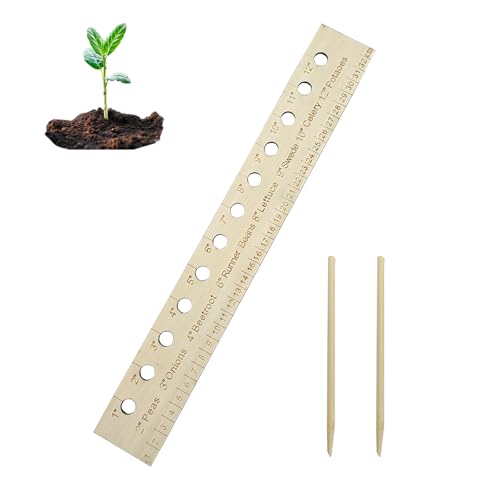
1. Precise Planting and Spacing: This seed spacer and planting ruler ensures accurate and consistent spacing for your vegetable gardens and yard, promoting healthy plant growth.
Tools Needed for Thinning
Thinning beet seedlings is a crucial step in ensuring healthy growth and maximizing your yield. Thinning at the right time promotes optimal resource absorption and prevents overcrowding, which can lead to stunted growth and lower yields. To effectively thin your beet seedlings, you’ll need a few essential tools:
- Small Garden Scissors: Ideal for precise cutting when thinning seedlings to the desired spacing. Ensure your scissors are sharp to make clean cuts without damaging nearby seedlings.
- Gloves: Protect your hands while working with seedlings. Gloves provide a barrier against dirt and potential skin irritants, keeping your hands clean and safe.
- Marker or Stake: Use a marker or stake to indicate the spots where you’ve thinned seedlings. This helps you keep track of the thinned areas and ensures even spacing.
- Watering Can: After thinning, it’s important to water your seedlings thoroughly. A watering can with a gentle shower nozzle is ideal for evenly distributing water without disturbing the remaining seedlings.
- Magnifying Glass or Loupe: For a closer inspection of seedlings during thinning, a magnifying glass or loupe can help you identify any signs of competition or overcrowding more effectively.
These tools are essential for precision and care when thinning your beet seedlings. By having them on hand, you can ensure that your thinning process is smooth and successful, setting the stage for healthy beet growth and a bountiful harvest.
Step-by-Step Guide to Thinning Beet Seedlings
To ensure healthy beet growth and a bountiful harvest, it’s crucial to thin your seedlings properly. Here’s a simple guide to help you through the process:
- Timing is Key
- Begin thinning when seedlings have grown 2-3 inches tall and have developed their first true leaves.
- Avoid waiting too long, as overcrowded seedlings can lead to competition for resources like sunlight, water, and nutrients.
- Prepare Your Tools
- Gather small garden scissors, gloves, markers or stakes, a watering can, and a magnifying glass or loupe for precision.
- Ensure tools are clean to minimize the risk of introducing infections to your seedlings.
- Identify Seedlings to Remove
- Look for overcrowded areas where seedlings are closely bunched together, hindering their growth potential.
- Select the weakest seedlings to remove, leaving space for the healthiest ones to thrive.
- The Thinning Process
- With clean scissors, snip the stem of the selected seedling at soil level to avoid disturbing neighboring plants.
- Space seedlings at least 3-4 inches apart to allow for proper root development and optimal resource absorption.
- Aftercare
- Water seedlings gently after thinning to help them recover from any stress caused by the process.
- Monitor seedlings regularly to ensure they continue to grow evenly and remain healthy.
Thinning your beet seedlings may seem daunting at first, but with these simple steps, you’ll promote robust growth, prevent overcrowding, and set the stage for a successful beet harvest.
Recommended Products

Made of plastic, Simple and easy to use of the plant sow seeds dispenser
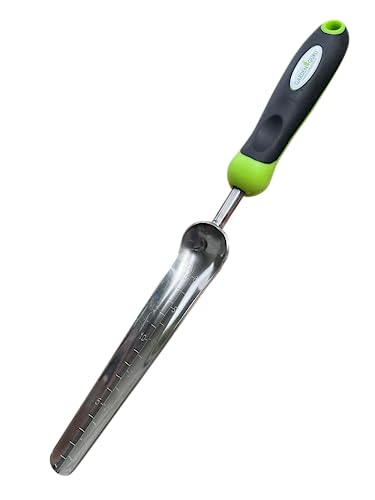
PERFECT SEED PLANTING TROWEL – Narrow edge to easily fit in small spaces. Ideal for planting seeds and transplanting small plants, vegetables, flowers in narrow and hard to reach spaces.

12 Piece Set-Meeting Different Needs: Our gardening tool set contains a garden rake, gardening shovel, garden trowel, two different shaped plant tweezers, 1pcs garden shears, 2pcs gardening shears, dustpan brush, spatula, hole punch, and transplant garden hand fork. A single purchase for all your different needs, saving you time for selection
Common Mistakes to Avoid
When thinning beet seedlings, it’s crucial to avoid certain common mistakes to ensure the best results. Here are some pitfalls to watch out for:
- Waiting Too Long to Thin: Not thinning seedlings promptly can lead to overcrowding and stunted growth.
- Pulling Seedlings Out Instead of Snipping: Pulling out seedlings can disturb the roots of neighboring plants.
- Thinning Too Aggressively: Removing too many seedlings can leave gaps that may affect the growth of surrounding plants.
- Underestimating Proper Spacing: Incorrect spacing can still lead to overcrowding issues later on.
- Skipping Aftercare: Failing to water and monitor the remaining seedlings can impact their health and growth.
Remember, by being mindful of these common mistakes, you can ensure the successful thinning of your beet seedlings and set the stage for a bountiful harvest.
Conclusion
Thinning beet seedlings is a crucial step in ensuring a thriving garden. By avoiding common mistakes like waiting too long or being too aggressive, you can set your seedlings up for success. Remember to snip instead of pull, provide adequate spacing, and offer proper aftercare. With these tips in mind, your beet seedlings will thank you with healthy growth and abundant harvests. Happy gardening!
Frequently Asked Questions
What are the common mistakes to avoid when thinning beet seedlings?
Proper thinning of beet seedlings is crucial for healthy growth. Common mistakes to avoid include waiting too long to thin, pulling seedlings out instead of snipping them, thinning too aggressively, underestimating proper spacing, and skipping aftercare.
Why is it important to avoid these mistakes?
Avoiding these mistakes ensures that beet seedlings have enough space to grow, access proper nutrients, and develop strong roots. Thinning beet seedlings properly promotes healthier plants, reduces competition for resources, and ultimately leads to a more abundant harvest.
How can gardeners ensure successful thinning of beet seedlings?
Gardeners can ensure successful thinning by regularly monitoring seedlings, using scissors to snip unwanted plants at soil level, following spacing guidelines, providing adequate aftercare such as watering and fertilizing, and adjusting thinning schedules as needed based on plant growth.
