

Ever wondered why your beet plants aren’t thriving as expected? Picture this: a crowded beet patch struggling to reach its full potential. But fret not, because in this article, you’ll discover the secrets to thinning beet plants for optimal growth and harvest.
Are you ready to transform your beet garden into a vibrant and bountiful paradise? By learning the art of thinning beet plants, you’ll unlock a world of benefits. From healthier plants to larger, more flavorful beets, this simple practice can make a world of difference in your gardening journey.
So, grab your gardening gloves and get ready to dive into the wonderful world of thinning beet plants. With just a few easy steps, you’ll soon be on your way to a thriving beet patch that will leave you reaping the rewards all season long.
The Importance of Thinning Beet Plants
Thinning beet plants is crucial for healthy growth and optimal harvest.
Here’s why:
- Promotes proper air circulation and sunlight exposure.
- Prevents overcrowding that can lead to stunted growth.
- Reduces competition for nutrients, allowing each plant to thrive.
Thinning results in larger, more flavorful beets, ensuring a bountiful harvest.
Benefits of thinning include:
- Healthier plants with stronger roots.
- Improved pest and disease resistance.
- Enhanced overall crop quality.
By thinning your beet plants, you set the stage for a successful and abundant harvest.
When to Thin Your Beet Patch
To ensure optimal growth for your beet plants, the timing of thinning is crucial. Thin your beet patch when the seedlings are about 2-3 inches tall. At this stage, they have developed enough to be easily distinguishable, but are still small enough to avoid root damage during thinning.
Thinning early in the season helps the remaining plants establish stronger root systems and reduces competition for nutrients. Aim to thin your beet patch about 3-4 weeks after planting or when the seedlings have 2-4 true leaves. This timing allows the plants to grow without overcrowding, leading to larger, healthier beets at harvest time.
When thinning, ensure you leave adequate space between plants, typically 2-3 inches apart. Overcrowding can hinder growth and lead to smaller beets. Remember, the goal of thinning is to create the ideal environment for each plant to thrive and reach its full potential.
By being proactive and thinning your beet patch at the right time, you set the stage for a successful harvest and vibrant, flavorful beets.
How to Identify Which Plants to Thin
When determining which beet plants to thin, look for overcrowding. You want to provide adequate space for each plant to thrive. Identify weaker, smaller seedlings that may not grow into healthy plants. Choose the strongest and healthiest plants to keep in the soil.
Here are some key indicators to help you decide which plants to thin out:
- Size Discrepancy: Focus on removing smaller plants to allow larger ones to flourish.
- Color and Health: Select plants with vibrant green leaves and sturdy stems.
- Spacing: Ensure that there is enough distance between plants for proper air circulation and nutrient absorption.
By carefully evaluating your beet plants, you can make informed decisions on which ones to thin out and create an optimal growing environment for your crop.
Remember to prioritize the well-being of your plants by giving them the space and resources they need to reach their full potential.
Step-by-Step Guide to Thinning Beet Plants
To thin your beet plants effectively, follow these simple steps:
- Wait for the right time: Start thinning when the seedlings have 2-4 true leaves.
- Identify the weakest plants: Look for seedlings that are smaller, paler, or showing signs of distress.
- Gently pull out extra seedlings: Be careful not to disturb the roots of the remaining plants.
- Space them out: Leave 3-4 inches between each beet plant to ensure they have enough room to grow.
- Water the plants: Keep the soil moist to help the remaining plants recover from the thinning process.
Remember, proper thinning can make a significant difference in the quality of your beet harvest.
Recommended Products

Made Of Sturdy Plastic, Very Convenient For Gardening,Can Be Used For Many Times
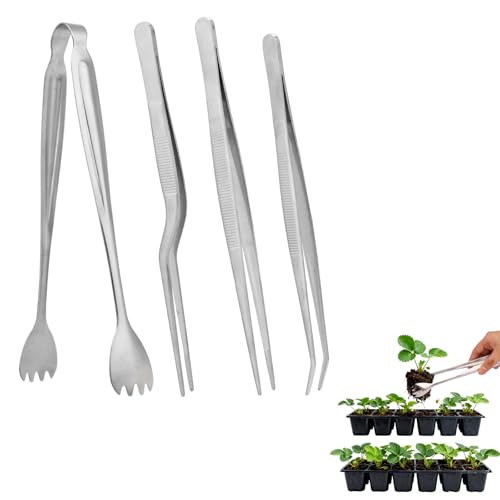
Complete Set: You will receive 1 piece of the seedling transplant tong and 3 pieces of the multi-functional tweezers. Ideal for delicate sowing, transplanting seedlings from seedling trays, and various fine motor tasks in gardening, kitchens, or crafts.

Premium Stainless Steel Construction:This bulb planter tool is crafted from high - quality stainless steel.It ensures exceptional durability,making it suitable for long - term use in various soil conditions. Whether you're dealing with moist or dry soil, the tool will maintain its integrity and performance.
Tips for Maintaining a Healthy Beet Patch
- Watering: Ensure consistent watering to keep the soil moist but not waterlogged.
- Weeding: Regularly remove weeds to minimize competition for nutrients.
- Fertilizing: Consider adding a balanced fertilizer to promote healthy growth.
- Pest Control: Keep an eye out for pests like aphids and take necessary steps to protect your plants.
- Sunlight: Beet plants thrive in full sun, so ensure they receive adequate sunlight.
- Mulching: Apply a layer of mulch around plants to retain moisture and suppress weeds.
- Monitoring: Regularly inspect your beet patch for any signs of disease or nutrient deficiencies.
| Important Guidelines | Data/Statistics |
|---|---|
| Space beet plants 3-4 inches apart | Optimal for growth |
| Consistent watering | Keeps soil moist |
| Full sun exposure | Essential for thriving plants |
Recommended Products

Contains natural ingredients to feed microbes in the soil

Package contains 4 pounds organic vegetable and tomato fertilizer grains and is produced to avoid wasteful runoff, mess, hazards and smells

Produce abundant and vibrant fruit and blooms! This product works by strengthening your plant's roots to increase nutrient uptake… enabling it to bloom and produce like you've never seen!
Conclusion
You now have all the tools you need to successfully thin your beet plants and ensure a thriving beet patch. Remember to space your plants adequately, keep the soil consistently moist, and give them plenty of sunlight. By following these simple steps and tips, you’ll be on your way to enjoying a bountiful harvest of delicious beets. Happy gardening!
Frequently Asked Questions
Q: Why is consistent watering important for beet plants?
A: Consistent watering ensures the soil remains moist, promoting healthy beet growth and preventing issues like cracking or bolting.
Q: How does weeding benefit beet plants?
A: Weeding reduces competition for nutrients, allowing beet plants to thrive without restrictions.
Q: Why is fertilizing essential for beet plants?
A: Fertilizing provides the necessary nutrients for robust growth and vibrant beet production.
Q: How can pest control help protect beet plants?
A: Pest control prevents damage from insects or animals that can harm beet plants and reduce yield.
Q: Why is sunlight exposure crucial for beet plants?
A: Adequate sunlight exposure ensures proper photosynthesis and healthy development of beet plants.
Q: How does mulching benefit beet patches?
A: Mulching helps retain soil moisture, suppresses weeds, and maintains a consistent temperature for beet plants.
Q: Why is monitoring for disease important in beet cultivation?
A: Monitoring aids in detecting early signs of disease or nutrient deficiencies, allowing prompt intervention to save the crop.
