

Ever wondered how to give your garden a vibrant boost with fresh, homegrown beets? Picture this: you’ve nurtured your beet seedlings with care, and now it’s time to transplant them for a bountiful harvest. But where do you start? How do you ensure they thrive in their new home?
Selecting the Right Time for Transplanting
Transplant your beet seedlings 2 to 4 weeks after sowing. It’s crucial to wait until they have 2 to 4 true leaves. Plant them in the spring once the soil is workable. Harden off your seedlings before transplanting by exposing them to the outdoors for a few hours daily.
| Timing for Transplanting | Details |
|---|---|
| Best time to transplant | 2-4 weeks after sowing |
| Key indicator for transplanting | 2-4 true leaves |
| Optimal season for planting | Spring |
Remember, proper timing sets the foundation for your beet plants’ growth.
Preparing the Transplant Site
When preparing the transplant site for your beet seedlings, choose a location that receives full sun. Ensure the soil is loose, well-draining, and rich in organic matter. Here are some steps to follow:
- Clear the area: Remove any weeds, rocks, or debris from the planting site.
- Loosen the soil: Use a garden fork or tiller to break up the soil to a depth of at least 6 inches.
- Amend the soil: Mix in compost or aged manure to improve soil fertility and structure.
- Level the ground: Ensure the planting area is flat and even to promote uniform growth.
After preparing the transplant site, you’ll be one step closer to creating an ideal environment for your beet seedlings to thrive.
Digging Up and Transplanting Beets
When transplanting beets, it’s essential to do it at the right time for optimum growth. Early morning or late afternoon are ideal for this task to prevent stress on the plants.
Recommended Products

VERSATILE SET: Includes 2 essential hand tools - a seedling dibber for making planting holes and a widger for safe transplanting of delicate seedlings
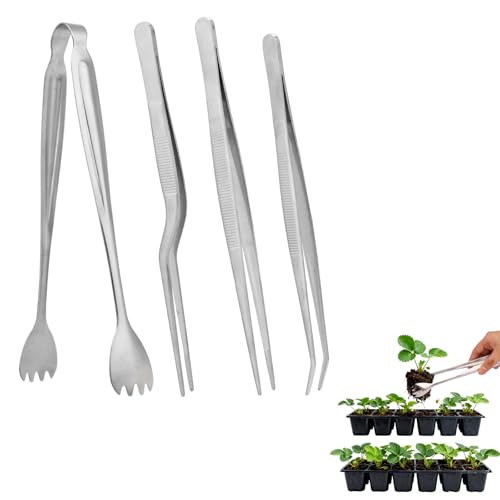
Complete Set: You will receive 1 piece of the seedling transplant tong and 3 pieces of the multi-functional tweezers. Ideal for delicate sowing, transplanting seedlings from seedling trays, and various fine motor tasks in gardening, kitchens, or crafts.
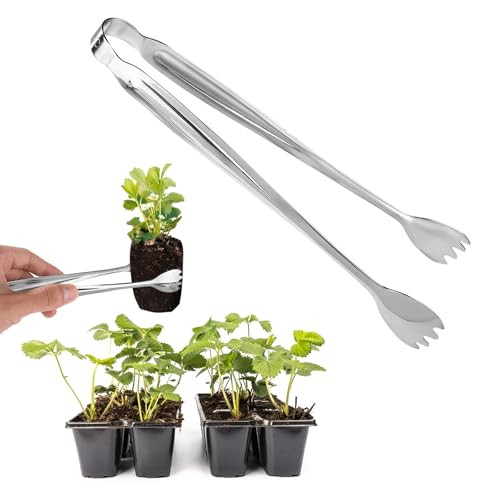
Package Details: You will get 1 piece of seedling transplant pliers, which are practical tools for your garden planting, which can bring convenience to you in the process of seedling transplanting.
Digging Up the Beets
- Start by gently loosening the soil around the beet plants to avoid damage to the roots.
- Grasp the beet plant near the base and slowly pull it out of the ground.
- Shake off excess soil from the roots to prepare them for transplanting.
- Dig holes in the new planting area that match the size of the beet roots.
- Place the roots into the holes and cover them with soil, ensuring the plants are at the same depth as they were previously.
- Water the transplanted beets thoroughly to help them settle into their new environment.
Remember, beets are quite resilient, but it’s crucial to handle them gently during the transplanting process.
Watering and Caring for Newly Transplanted Beets
When watering your freshly transplanted beets, ensure that the soil remains consistently moist but not waterlogged. Beets are sensitive to dry conditions, so regular watering is essential for their growth.
Avoid overhead watering, as this can lead to the spread of disease and might also disturb the delicate soil around the plants. Instead, water at the base of the plants to deliver moisture directly to the roots.
Consider mulching around the beets to help retain moisture and suppress weeds. A layer of organic mulch like straw or shredded leaves can also provide insulation to protect the roots during fluctuating temperatures.
During the initial days post-transplant, monitor the soil moisture regularly to prevent it from drying out. Beets thrive in well-drained soil, so avoid waterlogging, which can cause root rot.
Fertilize your beets sparingly after the transplant, using a balanced fertilizer or compost for nutrient support. However, careful not to over-fertilize, as this can lead to excessive foliage growth at the expense of root development.
Remember, caring for your newly transplanted beets involves attention to detail with watering, mulching, monitoring, and occasional fertilization. By providing the right care, you set the stage for healthy growth and a bountiful harvest.
Recommended Products

Flexible watering options: This watering can features a detachable shower head that switches between a direct stream and a soft spray; it suits both indoor and outdoor plants, giving you flexible control over water flow

100% recycled polymer: guilt free from environmental concerns, the tank is made from 100% recycled polymer, better for the environment and less in the landfill

Built tough for big watering jobs: This watering can has thickened PP resin walls to resist crushing and bending; 2 gallon capacity waters multiple plants and saves refills in heat; ideal for gardens, patios and large indoor pots with frequent refills
Troubleshooting Common Issues After Transplantation
Troubleshooting Common Issues After Transplantation
If you encounter any issues after transplanting your beets, addressing them promptly can help ensure a successful harvest.
Wilting Leaves
- Cause: Underwatering
- Solution: Ensure you’re providing adequate moisture at the base of the plants. Check soil moisture regularly and adjust watering as needed.
Yellowing Leaves
- Cause: Nutrient Deficiency
- Solution: Consider adding a balanced fertilizer to provide essential nutrients. Avoid over-fertilizing to prevent leaf burn.
Stunted Growth
- Cause: Poor Soil Conditions
- Solution: Check soil drainage and quality. Consider amending with compost to improve soil structure and fertility.
Pests and Diseases
- Prevention: Monitor plants regularly for signs of pests or diseases. Consider using natural remedies or organic pesticides if necessary.
Bolting
- Cause: Stress or High Temperatures
- Solution: Provide shade during hot periods or try planting beets in a shadier location.
- Symptoms: Wilting leaves, yellowing, and stunted growth
- Prevention: Ensure proper soil drainage and avoid overwatering to prevent root rot from developing.
Dealing with these common issues promptly and effectively will help support the health and vigor of your beet plants, ultimately leading to a successful harvest.
Recommended Products

Accurate Soil Moisture Detection: The XLUX Soil Moisture Meter can tell you if the soil deep inside your pot or garden is dry, moist or wet; whereas your eyes and fingers can only determine the moisture level of the soil surface. The probe is 5.5 inches (14 cm) longer than regular styles, allowing it to measure the soil moisture at the bottom of larger and deeper flower pots.

【4 in 1 function】This is a 4-in-1 multifunctional soil tester.Our soil tester fastly to measure soil moisture, pH, temperature and sunlight to help you take better care of flowers and plants.You can know when you need to water your soil by measuring moisture and pH & Temperature value of the soil and sunlight level of plants with it.
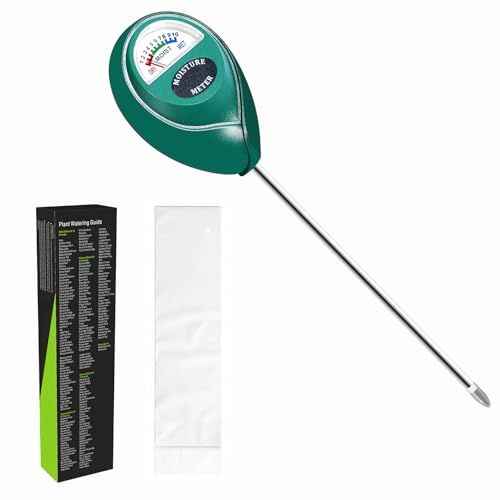
Trusted Since 2015: Become one of the many plant lovers who rely on the proven accuracy of XLUX. Established in 2015, our soil moisture meter has earned over 60,000+ verified ratings for its consistent performance. While many many newer brands come and go, we provide the long-term reliability and quality that American households have trusted for over a decade.
Conclusion
Keep a watchful eye on your newly transplanted beets to ensure they thrive. Address any signs of stress promptly by adjusting watering, fertilizing, and monitoring for pests. Remember, healthy beets lead to a bountiful harvest. Happy gardening!
Frequently Asked Questions
1. Why are my beet plant’s leaves wilting after transplanting?
Wilting leaves in beet plants post-transplanting are often due to underwatering. Ensure the soil is consistently moist and water the plants deeply when needed.
2. What causes yellowing leaves in my beet plants?
Yellowing leaves in beets can result from nutrient deficiencies. Consider fertilizing the plants with a balanced fertilizer to provide essential nutrients for healthy growth.
3. How can I address stunted growth in my beet plants?
Stunted growth in beets may be due to poor soil conditions. Enhance the soil quality by adding organic matter like compost to promote better growth.
4. How can I prevent and treat pests and diseases in my beet plants?
Monitor your beet plants regularly for pests and diseases. Use organic pest control methods and treatments to prevent and manage common issues.
5. What causes bolting in beet plants and how can I prevent it?
Bolting in beets can occur due to stress or high temperatures. Provide adequate shade and maintain consistent watering to reduce stress and prevent bolting.
