

Ever found yourself staring at your cucumber plants, wondering if it’s the right time to pluck those crisp, green gems? You’re not alone. The struggle to determine the perfect moment for harvesting cucumbers is real. One day they seem too small, the next too big. But fear not, dear gardener, for clarity is just a read away.
Imagine confidently strolling through your garden, effortlessly identifying the exact instant when each cucumber is at its peak ripeness. No more second-guessing or premature picks. This article is your ultimate guide to mastering the art of cucumber harvesting. Say goodbye to uncertainty and hello to a bountiful harvest of perfectly ripe cucumbers, every time.
Signs of Ripeness in Cucumbers
Knowing when to harvest your cucumbers is crucial for enjoying flavorful and juicy produce. Here are important signs to look for to ensure your cucumbers are perfectly ripe:
- Color: Optimal cucumber color varies by type; for example, common ones like pickling cucumbers should be a deep green without any yellow spots or stripes.
- Firmness: Gently squeeze the cucumber; it should feel firm but not hard, indicating ripeness.
- Size: Most cucumbers are best harvested when about 6-9 inches long for the best texture and flavor.
- Spines: If present, the spines on the cucumber should be soft and easily break off when the fruit is ready to be picked.
- Weight: A ripe cucumber should feel heavier than expected for its size, signaling high water content and ideal ripeness.
Harvesting cucumbers at the perfect time ensures a satisfying crunch and delicious taste in your salads, pickles, or snacks.
Recommended Products

Compact Harvesting Helper: This mini thumb knife is designed for quick trimming of soft stems, vines, shoots, tendrils, leaves, grapes, cucumbers, and vegetable plants during daily garden work.

Adjustable Fit: This manganese steel hand sickle blade features a replaceable handle design that fits handles under 1.5 inches in diameter. Use PVC pipes, branches, or wooden poles to create a hand sickle or garden sickle suited to different gardening and farming tasks
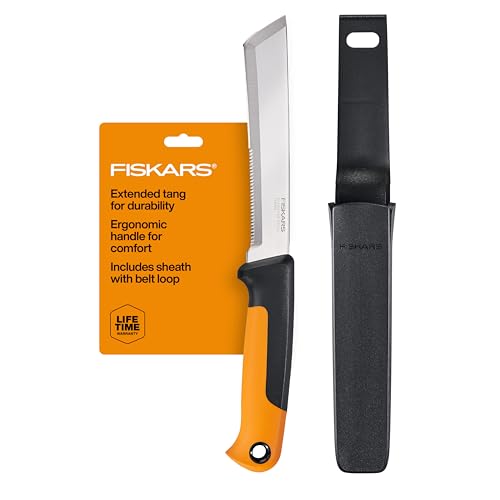
IDEAL FOR HARVESTING: Includes (1) Fiskars Harvesting Knife with hard plastic sheath and belt loop; perfect for thick stalks and stems, ensuring clean and precise cuts with ease in vegetable gardens and orchards; backed by a Lifetime Warranty
Optimal Time of Day to Harvest Cucumbers
When it comes to harvesting cucumbers, the optimal time of day can make a significant difference in the quality and taste of your produce. Here are a few key points to keep in mind:
- Mornings are generally the best time to harvest cucumbers. During this time, the temperatures are cooler, and the cucumbers are usually more hydrated.
- Avoid harvesting during the hottest part of the day as the heat can cause the cucumbers to become wilted and lose their crispness.
- If you can’t harvest in the morning, early evening can also be a suitable time. Just make sure to avoid the late afternoon sun to prevent any heat stress on the cucumbers.
Tools Needed for Harvesting
When it comes to harvesting cucumbers, having the right tools can make the process smoother and more efficient. Here are some essential tools to have on hand:
- Gloves: Protect your hands from thorns and prickles on the vines.
- Pruning shears or scissors: Use them to carefully cut the cucumbers from the plant.
- Harvesting basket or crate: Ideal for collecting and transporting the cucumbers without damaging them.
- Sun hat and sunscreen: Shield yourself from the sun while working in the garden.
- Water bottle: Stay hydrated while you’re out harvesting.
Having these tools ready will help you harvest your cucumbers with ease and care.
How to Properly Harvest Cucumbers
When it comes to harvesting cucumbers, it’s important to do it at the right time to ensure the best quality and flavor. Here are some simple steps to help you properly harvest your cucumbers:
- Inspect regularly: Check your cucumber plants often to identify ripe cucumbers. Look for a dark green color and firm texture.
- Check the size: Cucumbers are usually ready to be harvested when they reach about 6 to 8 inches in length, depending on the variety.
- Use a knife or shears: To avoid damaging the vine, always cut the cucumber from the plant using a sharp knife or pruning shears.
- Gently twist: If you prefer, you can also gently twist the cucumber until it separates from the stem.
- Harvest frequently: Cucumbers can grow quickly, so make sure to harvest regularly to encourage more fruit production.
Following these tips will help you enjoy a bountiful cucumber harvest with fresh, flavorful cucumbers to enjoy in your meals.
Storing and Preserving Cucumbers After Harvest
After successfully harvesting your cucumbers, it’s essential to store and preserve them properly to maintain their freshness and quality for longer periods. Here are some tips to help you with the post-harvest care of your cucumbers:
- Temperature and Humidity: Store cucumbers in the refrigerator to keep them fresh. They do best at temperatures between 45-50°F (7-10°C) in a high humidity environment, ideally around 95% humidity.
- Moisture Control: Wrap cucumbers in a damp paper towel before placing them in a plastic bag to help maintain their moisture content and prevent dehydration.
- Storage Duration: Use cucumbers within 1-2 weeks after harvest for the best flavor and texture. Beyond this time, they may start to lose their crispness.
- Avoid Certain Foods: Keep cucumbers away from ethylene-producing fruits like tomatoes and bananas as they can accelerate the ripening process and shorten the cucumbers’ shelf life.
By following these simple guidelines, you can enjoy your freshly harvested cucumbers for an extended period, ensuring that they stay crisp and flavorful until you’re ready to use them in your favorite dishes.
Recommended Products
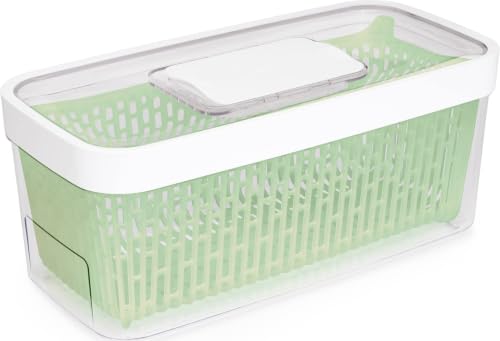
GreenSaver Produce Keeper prevents fruits and vegetables from spoiling too quickly

Contains (1) ProKeeper Produce Keeper, 3-Quart with Stay Fresh Vent

Fridge-friendly storage keeps produce fresh longer
Conclusion
Harvesting cucumbers at the right time is crucial for enjoying their delicious flavor and crisp texture. Remember to store them in the refrigerator at temperatures between 45-50°F (7-10°C) with high humidity, use them within 1-2 weeks, wrap them in a damp paper towel, and keep them away from ethylene-producing fruits. By following these simple steps, you can savor the freshness of your cucumbers for longer periods. Happy harvesting!
Frequently Asked Questions
When is the best time to harvest cucumbers?
Cucumbers are best harvested when they reach 6-8 inches in length, which typically takes 50-70 days after planting.
Why is it important to use the right tools for harvesting cucumbers?
Using sharp garden shears or a knife reduces damage to the plant, resulting in better healing and continued cucumber production.
How should cucumbers be stored after harvest?
Store cucumbers in the refrigerator at 45-50°F (7-10°C) with high humidity, wrapped in a damp paper towel.
How long can cucumbers be stored for optimal flavor and texture?
Cucumbers are best used within 1-2 weeks after harvest to enjoy their peak flavor and crispness.
Which fruits should cucumbers be kept away from to maintain freshness?
Keep cucumbers away from ethylene-producing fruits like apples and bananas to prevent them from ripening too quickly.
