

Selecting the right carrot seeds
When it comes to selecting the right carrot seeds, keep these key considerations in mind:
- Choose the type: Decide between heirloom, hybrid, or open-pollinated varieties based on your preferences.
- Consider your climate: Opt for carrot seeds that are suitable for your growing region’s climate to ensure successful sprouting.
- Check the maturity rate: Select seeds with a maturation time that aligns with your gardening schedule for optimal growth.
- Look for quality: Pick high-quality seeds from reputable suppliers to increase the likelihood of successful sprouting.
- Be mindful of space: If you have limited garden space, choose carrot seeds that are suitable for container gardening.
Remember, the right choice of carrot seeds can set the stage for a successful sprouting journey.
Preparing the sprouting container
To set the stage for successful sprouting, choose a container that matches the size of your carrot seeds. Ensure the container has good drainage to prevent waterlogging, which can hinder seed germination. Consider using containers with depth that accommodates carrot roots’ growth.
When preparing the container, fill it with well-draining soil to a depth of at least 6-8 inches. Opt for potting mix that is light, loose, and fertile to support healthy growth. Prior to sowing the seeds, moisten the soil to provide an ideal environment for germination.
Create small furrows or depressions in the soil to sow the carrot seeds at the recommended depth. Spacing between seeds is crucial to avoid overcrowding and promote proper development. Cover the seeds lightly with soil and press gently to ensure good seed-to-soil contact.
To maintain optimal moisture levels, consider covering the container with a plastic lid or a light cloth until seedlings emerge. Check the soil regularly to ensure it stays moist but not waterlogged. Avoid letting the soil dry out completely during the germination process.
Remember, the container’s preparation plays a significant role in the successful sprouting of carrot seeds. By setting up the container correctly, you provide the seeds with the best conditions to germinate and thrive.
Recommended Products
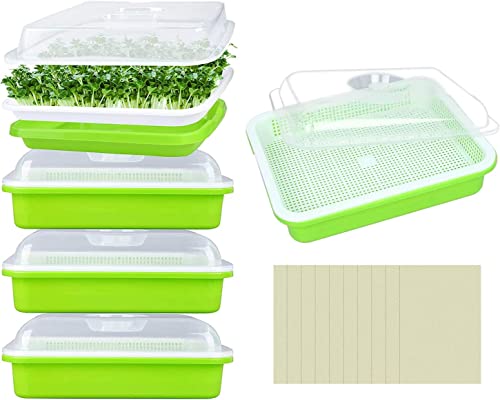
Microgreens Growing Trays: You will receive 5 pcs seed starter tray, comes with 10 planting papers, the size is 12.7 * 10.23 * 4.95 inch, fit for your daily use, help your fruits, veggies and flowers grow better, no need soil, only water you can taste fresh vegetables at home

The Best Value - Organo Republic Royal Chantenay Carrot Seeds Pack contains 1g or 850 of Non-GMO heirloom carrot seeds. Royal Chantenay Carrot (Daucus carota subsp. Sativa) is known for its sweet, crunchy, orange flesh, this carrot variety is the perfect addition to fresh vegetable salad or culinary creations.
Planting the carrot seeds
When planting carrot seeds, ensure you follow these steps for successful sprouting:
- Sowing Depth: Plant the seeds about 1/4 inch deep in the soil.
- Spacing: Leave about 2 inches between each seed to allow room for growth.
- Watering: Keep the soil consistently moist but be careful not to overwater.
- Sunlight: Choose a location that receives at least 6 hours of sunlight daily.
- Thinning: Once the seedlings sprout, thin them to maintain proper spacing.
- Mulching: Consider adding a thin layer of mulch to retain moisture and suppress weeds.
Remember to be patient as carrot seeds can take 1-3 weeks to germinate.
Providing ideal growing conditions
When sprouting carrot seeds, ideal growing conditions are essential for successful growth. Here are some key factors to consider:
- Temperature: Carrot seeds prefer soil temperatures between 60-75°F for optimal germination. Ensure your sprouting container is placed in a location with consistent warmth.
- Moisture: Keep the soil consistently moist but not waterlogged. Check the soil regularly to make sure it doesn’t dry out. Consider covering the container with a lid or plastic wrap to retain moisture.
- Light: Carrot seeds require full sunlight to grow successfully. Choose a sunny location for your sprouting container where they can receive at least 6-8 hours of sunlight per day.
- Air Circulation: Adequate air circulation is crucial for preventing mold or mildew growth. Ensure there is proper ventilation around your sprouting container to promote healthy seedling growth.
- pH Level: Carrots prefer slightly acidic to neutral soil with a pH range of 6.0-7.0. Test the soil pH and make necessary adjustments using organic materials if needed.
- Nutrients: As the carrot seeds sprout and grow, they will require nutrient-rich soil to support healthy development. Consider adding organic compost or fertilizer to provide essential nutrients.
Creating the ideal growing conditions will set the stage for your carrot seeds to sprout and thrive. Pay attention to these factors to ensure a successful sprouting process.
Monitoring and caring for the sprouting carrot seeds
Once you’ve planted your carrot seeds, it’s essential to monitor their progress and care for them appropriately. Here’s what you need to know:
- Consistent Moisture: Keep the soil moist but not waterlogged.
- Check Daily: Monitor the soil to ensure it doesn’t dry out.
- Weeding: Remove any weeds that may compete with the young seedlings.
- Thinning Out: Once sprouted, thin the seedlings to provide space for growth.
- Pest Control: Keep an eye out for pests and take action if necessary.
- Protection: Shield the delicate seedlings from harsh weather conditions.
Maintaining a watchful eye on your sprouting carrot seeds and providing them with the care they need will increase your chances of a successful harvest.
Conclusion
You’ve learned the key steps to sprouting carrot seeds successfully. From selecting the right seeds to providing ideal growing conditions, each step plays a crucial role in the growth process. Remember, patience is essential as you wait for the seeds to germinate. By monitoring progress, maintaining consistent moisture, and taking necessary precautions, you’ll set yourself up for a bountiful harvest. Enjoy the journey of nurturing your carrot seedlings and watching them flourish into healthy, vibrant plants. Happy gardening!
Frequently Asked Questions
Q: How deep should I sow carrot seeds?
A: Sow carrot seeds about 1/4 inch deep to ensure successful germination and growth.
Q: How much space should I leave between carrot seeds?
A: Leave space between carrot seeds to allow room for growth and prevent overcrowding in the sprouting container.
Q: How long does it take for carrot seeds to germinate?
A: Carrot seeds typically germinate in 1-3 weeks, so patience is essential during the initial growth phase.
Q: What are the essential growing conditions for carrots?
A: Carrots require ideal conditions including temperature, moisture, sunlight, air circulation, soil pH, and nutrients for successful growth.
Q: How can I ensure successful growth of carrot seedlings?
A: Monitoring progress, maintaining consistent moisture, daily checks, weeding, thinning, pest control, and protecting seedlings are vital for a bountiful harvest.
