

Benefits of Rooftop Gardening
- Reduces Urban Heat Island Effect:
Rooftop gardens can absorb heat and reduce the overall temperature of buildings, lowering cooling costs. - Improves Air Quality:
Plants in rooftop gardens help filter pollutants, improving the air you breathe daily. - Creates Green Space:
By utilizing rooftops for gardening, you add greenery to urban environments where space is limited. - Enhances Biodiversity:
Rooftop gardens attract birds, butterflies, and insects, contributing to urban biodiversity.
Cost-Saving Benefits
- Energy Efficiency:
Rooftop gardens provide insulation, reducing the need for heating in winter and cooling in summer. - Stormwater Management:
They absorb rainwater, reducing runoff and easing the burden on drainage systems.
Health and Wellness Benefits
- Stress Reduction:
Gardening is a therapeutic activity that can help reduce stress and improve mental well-being. - Access to Fresh Produce:
Grow your vegetables and herbs, ensuring a fresh and healthy food source right at home.
Community and Social Benefits
- Community Engagement:
Rooftop gardens can bring people together, fostering a sense of community and social connections. - Educational Opportunities:
They provide a platform for learning about gardening, sustainability, and environmental awareness. - Aesthetic Value:
Rooftop gardens enhance the visual appeal of buildings and neighborhoods, adding beauty to urban landscapes.
Considerations for Rooftop Gardens
When planning to include carrots in your rooftop garden, there are a few key considerations to keep in mind:
- Soil Quality: Ensure your rooftop garden has well-draining soil suitable for growing carrots.
- Depth: Carrots require deep soil to allow room for proper root development.
- Sunlight: Choose a spot on your rooftop with ample sunlight for optimal growth.
- Container Size: Select deep containers to accommodate the growth of carrots’ long roots.
- Watering: Be diligent in watering regularly as carrots need consistent moisture to thrive.
- Pests: Protect your carrots from pests by using natural remedies or organic pesticides.
By taking these considerations into account, you can successfully incorporate carrots into your vibrant rooftop garden.
Recommended Products

HELPS REGULATE SOIL MOISTURE: Miracle-Gro Organic Indoor Potting Soil Mix is an organic potting soil that protects indoor plants against over and under watering

INDOOR GROWING: Growing indoors is easy under the right conditions; Miracle-Gro Houseplant Potting Mix is an indoor plant potting soil that combines key elements container plants need to thrive

ALL-NATURAL MIX: Burpee Organic Premium Potting Mix is formulated with plant food & coconut coir to promote seed & root growth and healthy flower, vegetable & herb plants. OMRI Listed for organic use.
Growing Carrots in Containers
So, you’ve decided to grow carrots in your rooftop garden. It’s a fantastic choice! Here are some tips for successfully growing carrots in containers:
- Container Size: Ensure your containers are at least 12 inches deep to accommodate the carrot roots as they develop.
- Soil Quality: Use a loose, sandy soil mix to prevent the carrots from becoming misshapen or stunted.
- Sunlight: Carrots need about 6-8 hours of sunlight daily for optimal growth. Choose a sunny spot on your rooftop for your containers.
- Watering: Keep the soil consistently moist but not waterlogged. Carrots need regular watering, especially during hot weather.
- Thinning: Once your carrot seedlings sprout, thin them out to ensure proper spacing for the mature roots. Aim for about 2-3 inches between each plant.
- Pest Control: Keep an eye out for common pests like carrot rust flies. Use lightweight row covers or organic insecticides to protect your crop.
Happy gardening! 🥕
| Fact | Data |
|---|---|
| Container depth | at least 12 inches |
| Sunlight needed | 6-8 hours daily |
| Recommended spacing | 2-3 inches between plants |
Recommended Products

🍅【PREMIUM MATERIAL】Fabric raised garden bed is made of premium quality thickened non-woven fabric, designed with reinforced stitching, which is reusable and durable for long time use. With the plant grow bags, your plants will grow well in your balconies, backyards, terrance or patios.

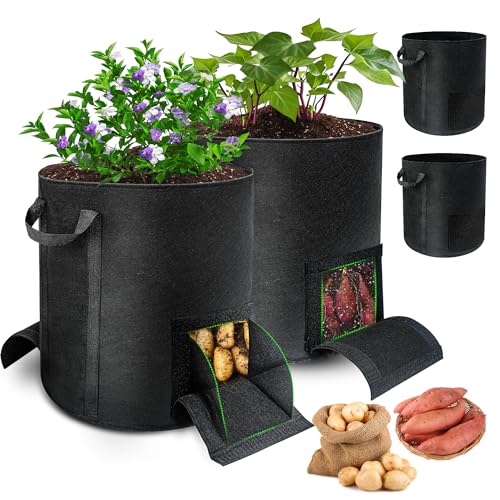
【Upgraded Dual-Window Design】The Downward-opening window keeps soil neatly contained while you pick ripe potatoes, and the clear observation window lets you check soil moisture and monitor ripeness at a glance.No digging, no mess - just easy, clean harvesting from your grow bags that keeps plants safe and healthy!
Tips for Including Carrots in a Rooftop Garden
When growing carrots in your rooftop garden, keep these tips in mind:
- Choose the right container: Opt for containers that are at least 12 inches deep to allow for proper root growth.
- Select the right soil mix: Use a loose sandy soil mix to ensure good drainage and prevent compacted soil.
- Provide enough sunlight: Carrots thrive with 6-8 hours of sunlight daily, so place your containers in a sunny spot.
- Water consistently: Ensure your carrots receive even watering without becoming waterlogged to promote healthy growth.
- Thinning is key: Properly thin out your carrot seedlings to prevent overcrowding and allow space for carrots to grow.
- Implement pest control: Use row covers or organic insecticides to protect your carrots from pests.
By following these tips, you can successfully include carrots in your rooftop garden and enjoy a bountiful harvest.
Recommended Products

HEIRLOOM BABY CARROT VARIETY - Little Finger carrots are small but mighty, producing sweet, crisp roots just 3–4 inches long that are perfect for fresh snacking or gourmet meals

Premium Quality Seeds: Harvested from high-quality harvests to ensure freshness and flavor!

RAINBOW COLOR BLEND - This rainbow carrot (Daucus carota var. sativus) seed mix yields a stunning mix of purple, yellow, white, and orange carrots for a bright harvest that adds fun and nutrition to every meal and garden
Conclusion
With the right container, soil mix, sunlight, watering, thinning, and pest control, you can easily grow carrots in your rooftop garden. Following these tips will help you enjoy a bountiful harvest of fresh, homegrown carrots. Happy gardening!
Frequently Asked Questions
1. What is essential for growing carrots in a rooftop garden?
Selecting the right container, using appropriate soil mix, ensuring sufficient sunlight, consistent watering, thinning seedlings, and pest control measures are crucial for growing carrots on a rooftop garden.
2. How can I ensure a successful carrot harvest on my rooftop?
To have a successful carrot harvest, focus on container selection, soil quality, sunlight exposure, watering consistency, seedling thinning, and pest control methods in your rooftop garden.
3. Why is thinning of carrot seedlings important?
Thinning carrot seedlings helps to avoid overcrowding, allowing the remaining plants to grow larger and develop healthier roots for a successful harvest on a rooftop garden.
